Articles for category: Prehistoric Raptors

Prehistoric Birds Were Far More Diverse and Terrifying Than Dinosaurs

Prehistoric Birds Were Far More Diverse and Terrifying Than Dinosaurs

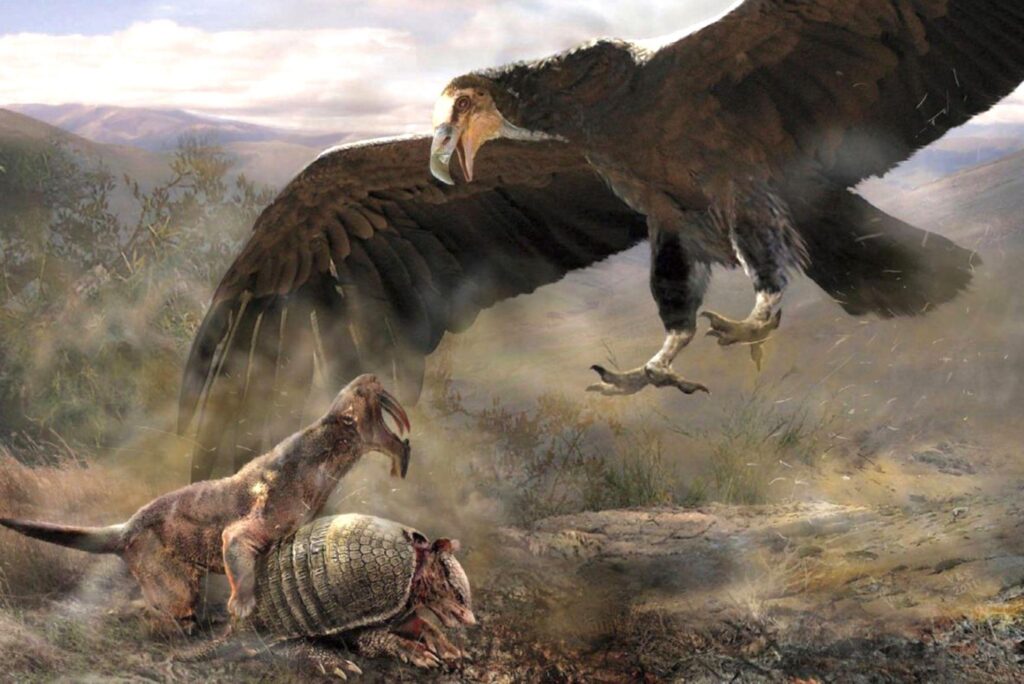
When we think of prehistoric predators, Tyrannosaurus rex typically springs to mind. Towering reptilian monsters with razor teeth dominating Cretaceous landscapes. Yet there’s another chapter of predatory evolution that gets less attention, one that unfolded after the Age of Dinosaurs ended. In the millions of years following the cataclysmic asteroid impact that wiped out the ...

Revolution of Early Bird Fossils

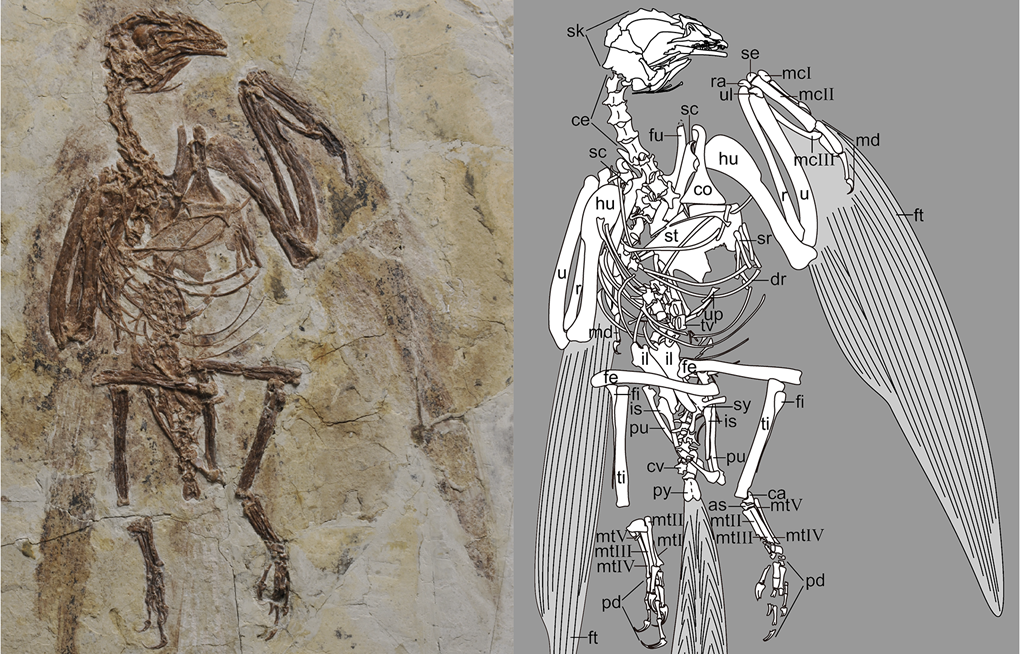
Dr. Jingmai O’Connor and the Revolution of Early Bird Fossils

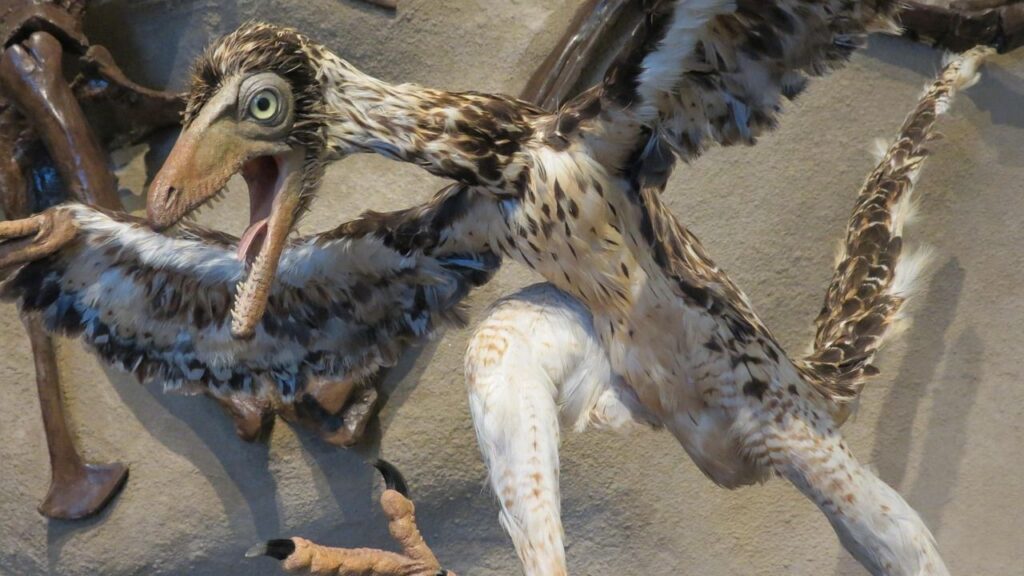
In the realm of paleontology, few scientists have made as significant an impact on our understanding of avian evolution as Dr. Jingmai O’Connor. A pioneering paleontologist specializing in Mesozoic birds, O’Connor has revolutionized our knowledge of early bird evolution through her groundbreaking work with exceptionally preserved fossils from China’s Jehol Biota. Her research has fundamentally ...

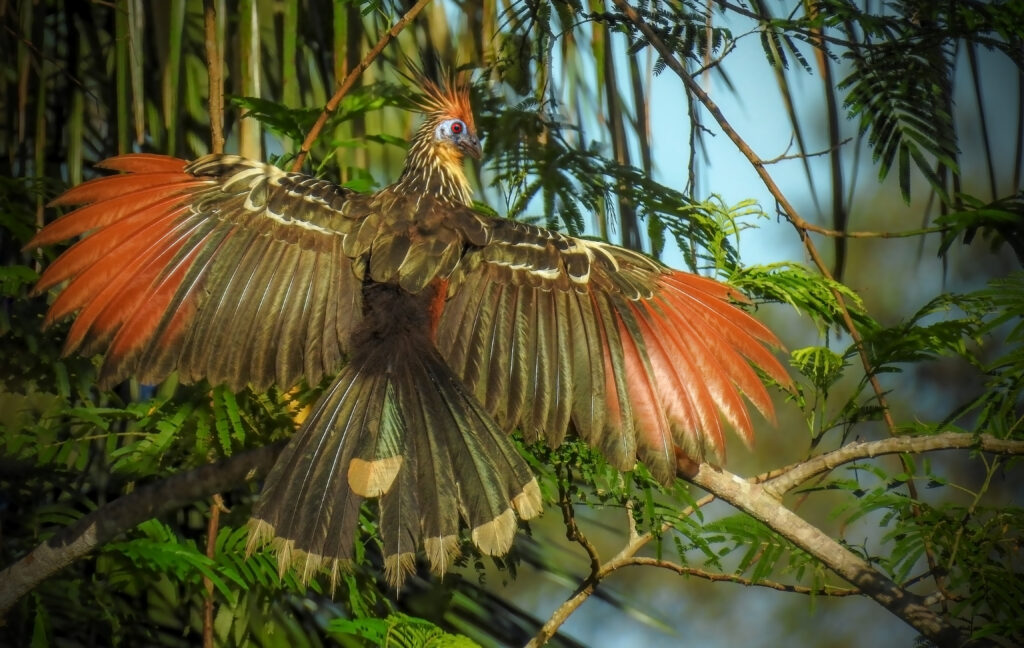
Elaborate bird perched on branch, displaying vibrant orange and brown feathers. Surrounded by green foliage, sunlight enhances its striking plumage.

How Ancient Flightless Birds Took Over After the Dinosaurs Fell

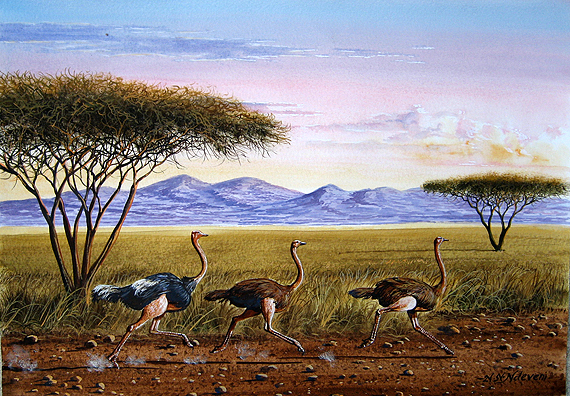
When the Chicxulub asteroid struck Earth 66 million years ago, it dramatically altered the course of evolutionary history. The catastrophic impact eliminated roughly 75% of all species, including the non-avian dinosaurs that had dominated terrestrial ecosystems for over 160 million years. From the ashes of this mass extinction emerged unexpected survivors—birds, the only living dinosaur ...

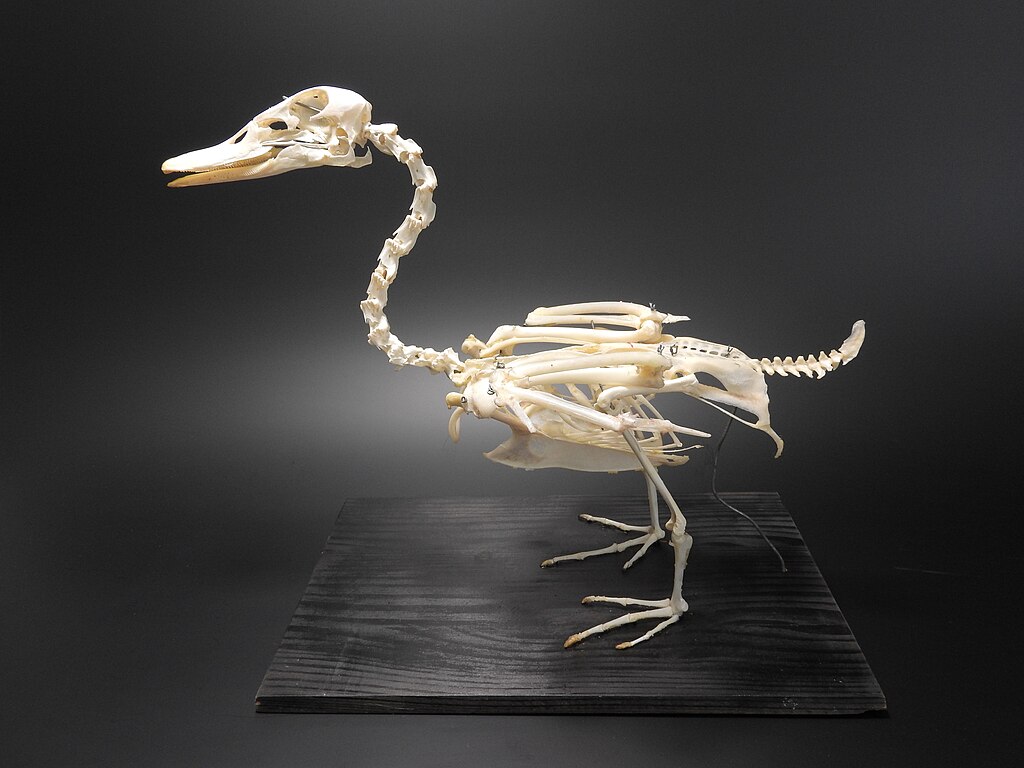
Anatidae (Anseriformes) anatomy

The Hollow Bones Theory: How Lightweight Skeletons Changed Evolution

In the grand tapestry of evolutionary history, few adaptations have been as transformative as the development of hollow bones. This remarkable skeletal innovation—known scientifically as pneumaticity—revolutionized vertebrate evolution by dramatically reducing body weight while maintaining structural integrity. The hollow bones theory explains how this adaptation allowed certain animal groups, particularly birds and their dinosaur ancestors, ...