Articles for category: Prehistoric Reptiles

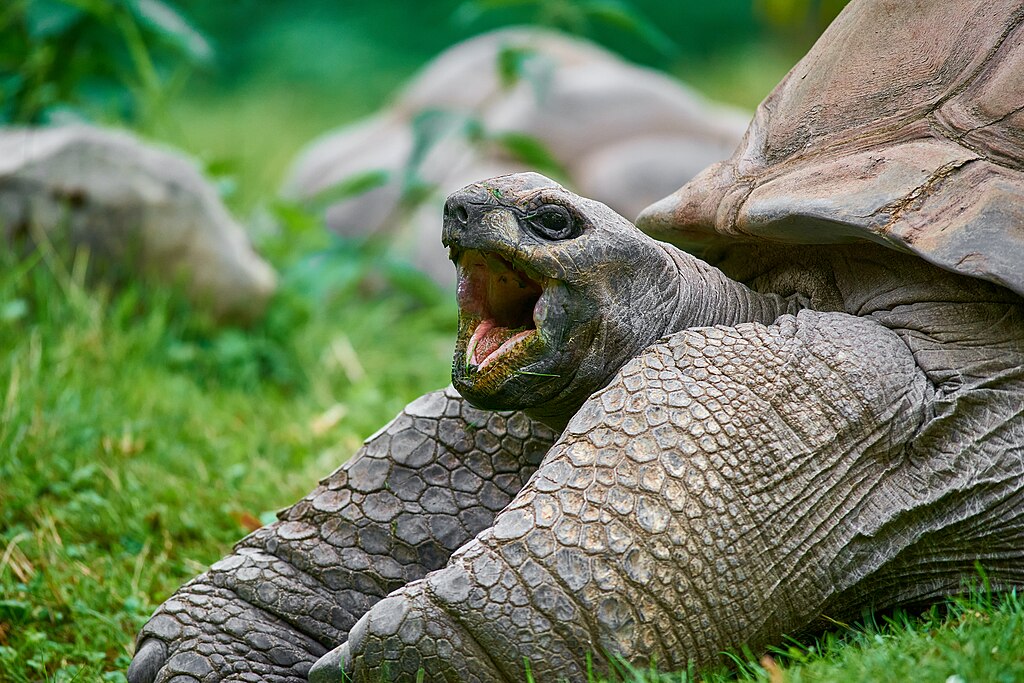
Aldabra giant tortoise (aldabrachelys gigantea), the only recent representative of the Seychelles giant tortoise genus, at Krefeld Zoo, Germany

Turtles: Ancient Survivors Older Than Most Dinosaurs

When we think of ancient creatures that have witnessed Earth’s dramatic changes, dinosaurs often come to mind first. However, hiding in their prehistoric shadows are even more remarkable survivors – turtles. These armored reptiles first appeared on our planet approximately 230 million years ago during the Late Triassic period, predating many dinosaur species that would ...
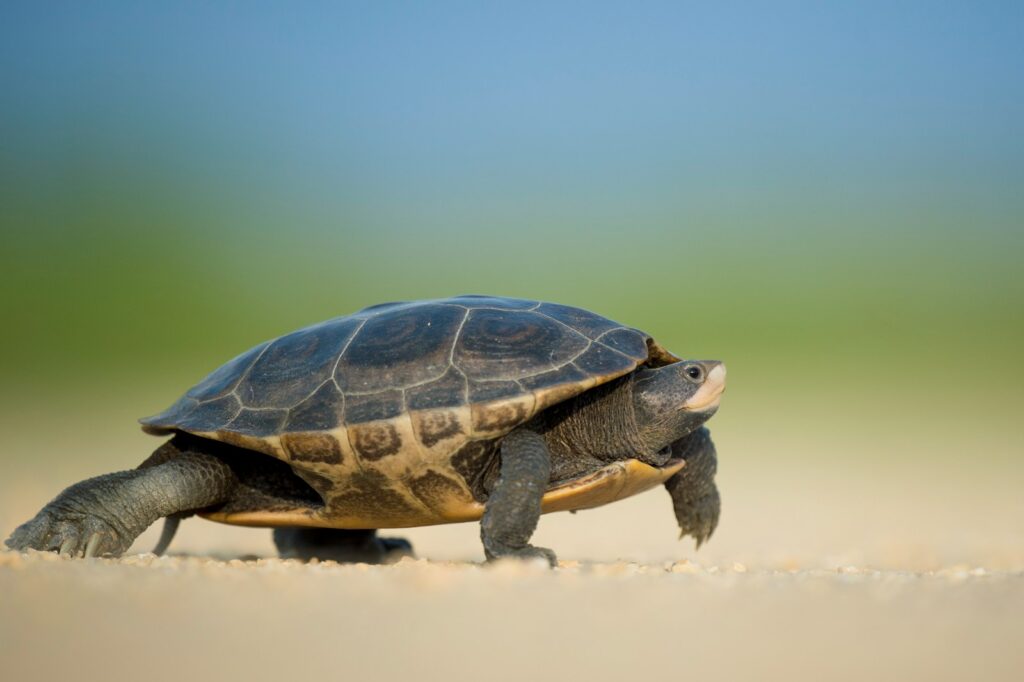
focused photo of a sea turtle walking on the seashore

Turtles vs. Extinction: How They Adapted and Endured

In the grand theater of evolution, few performers have shown the staying power of turtles. These remarkable reptiles have survived for over 220 million years, witnessing the rise and fall of dinosaurs and enduring multiple mass extinction events that wiped out countless other species. Their distinctive shells, deliberate pace, and remarkable adaptability have allowed them ...

Carbonemys Cofrinii

Were There Dinosaur-Era Turtles Bigger Than Cars?

During the age of dinosaurs, Earth was home to creatures of staggering proportions. While we often think of towering dinosaurs like Brachiosaurus or the fearsome Tyrannosaurus rex when imagining this era, other remarkable animals shared this ancient world. Among them were turtles of extraordinary size, some rivaling modern vehicles in their dimensions. These prehistoric chelonians ...

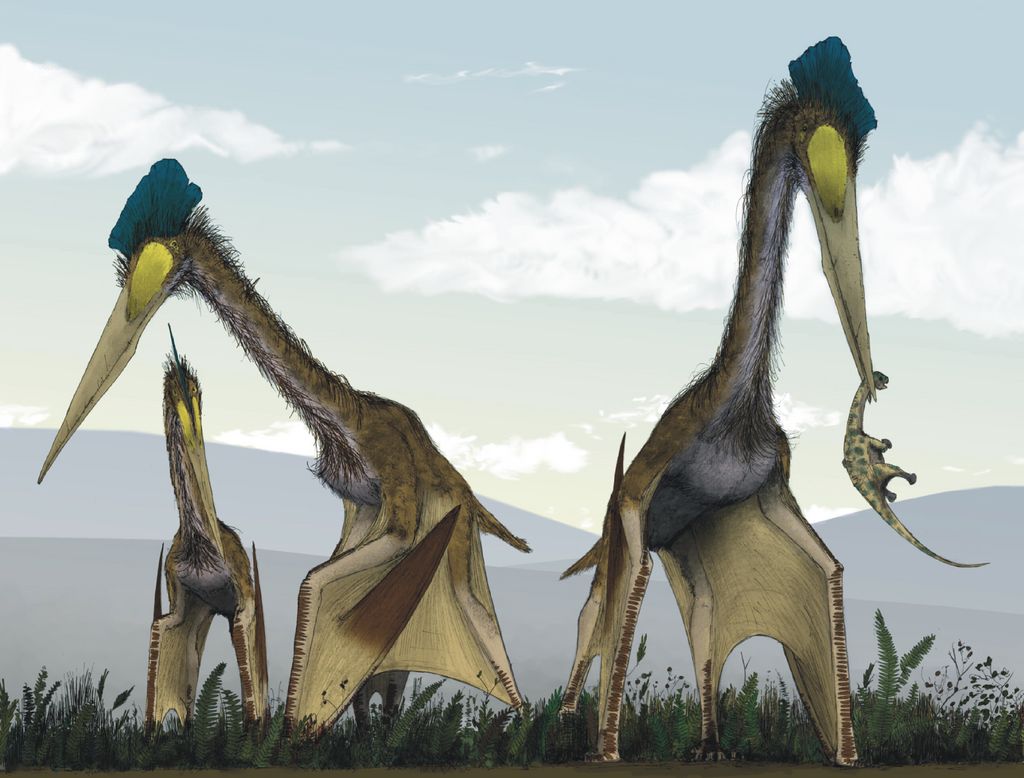
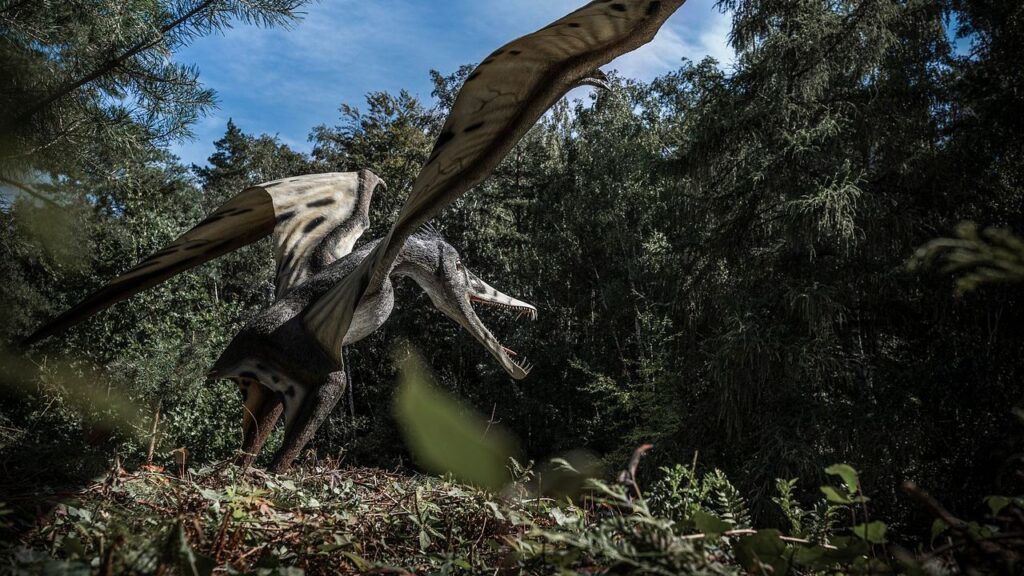
A juvenile titanosaur has been caught by one pterosaur

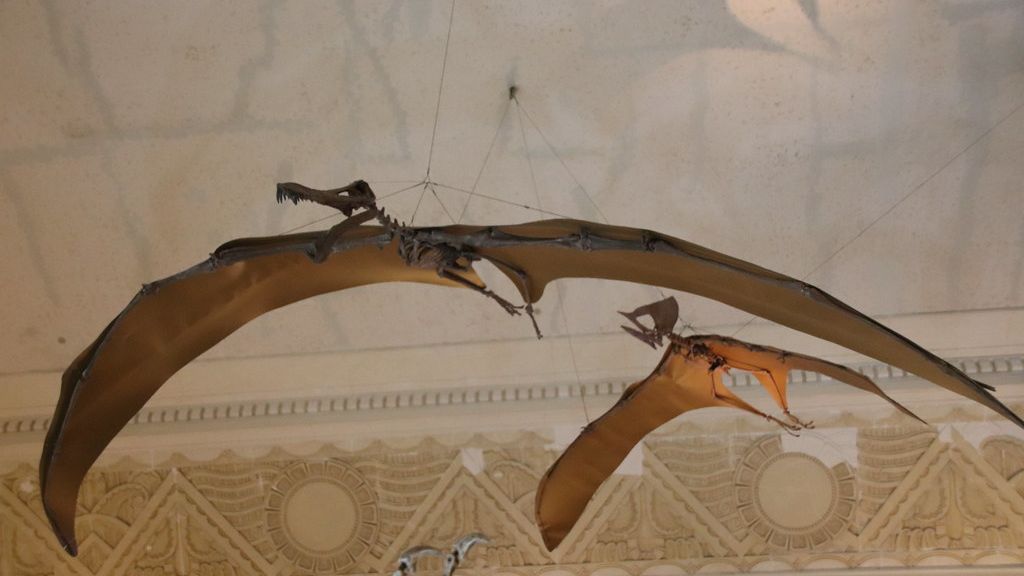
The Not-Quite-Dinosaurs: What Makes a Pterosaur Unique?

When we imagine prehistoric skies, the silhouettes of pterosaurs—with their leathery wings stretched wide—often come to mind. These remarkable flying reptiles dominated the air while dinosaurs ruled the land, yet they remain widely misunderstood. Despite their frequent portrayal as “flying dinosaurs” in popular media, pterosaurs were distinctly different creatures with their own evolutionary path and ...