Articles for category: Prehistoric SeaWorld

The discovery of marine fossils alongside dinosaur remains illuminates the complex ecological connections that existed between terrestrial and marine environments during the Mesozoic Era.

Ancient Water Dwellers: What Dinosaurs Shared Their World With Otter Ancestors?

The ancient waterways of Earth tell a fascinating story of coexistence between different evolutionary lineages that few people realize. While dinosaurs dominated the Mesozoic Era (252-66 million years ago), the early ancestors of modern mammals, including the predecessors of today’s playful otters, were already developing their evolutionary pathways. These ancient water-dwelling mammals navigated the same ...

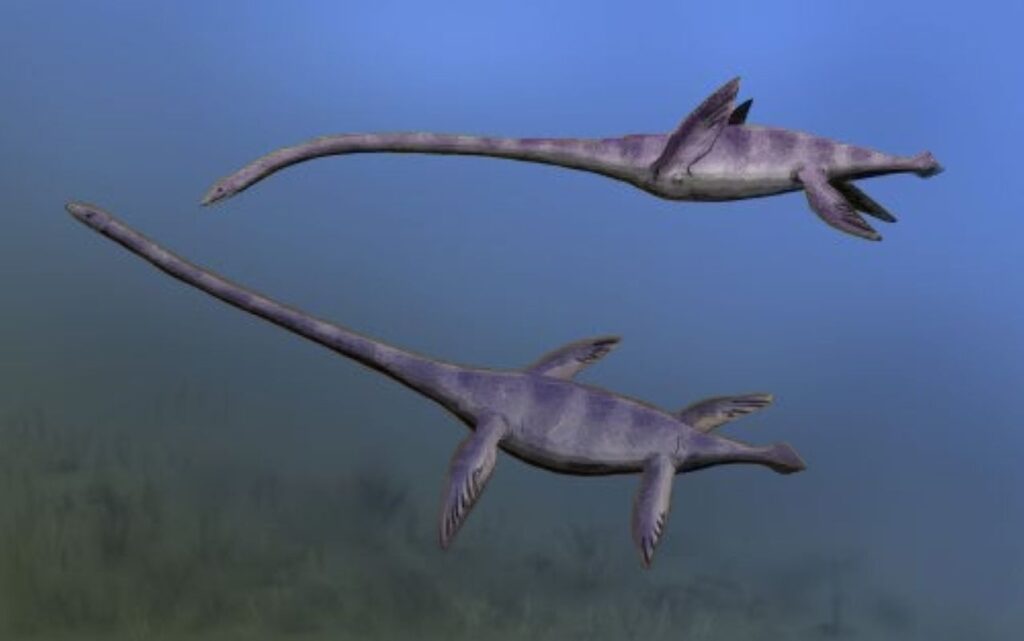
Mother and Juvenile Plesiosaur

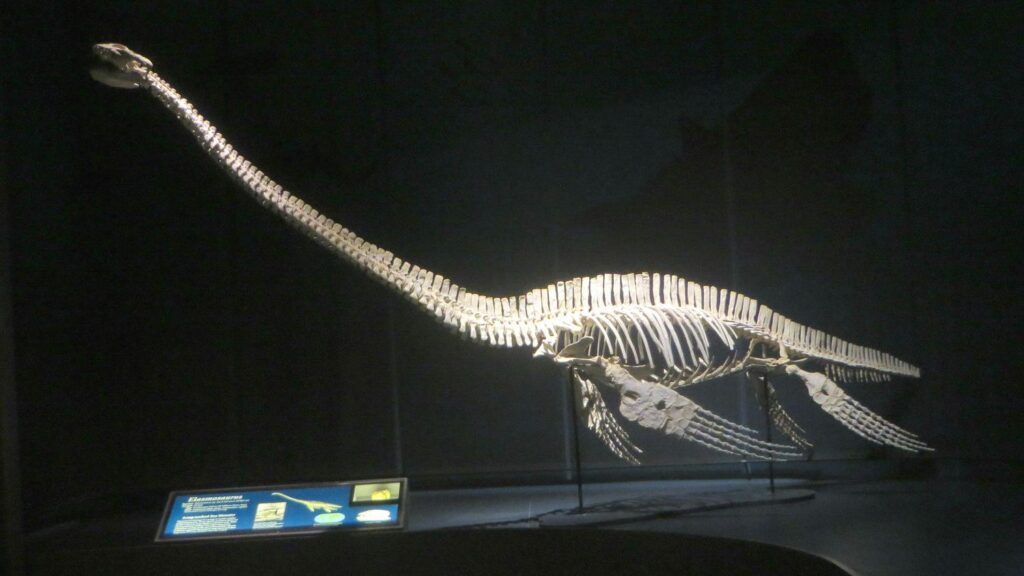
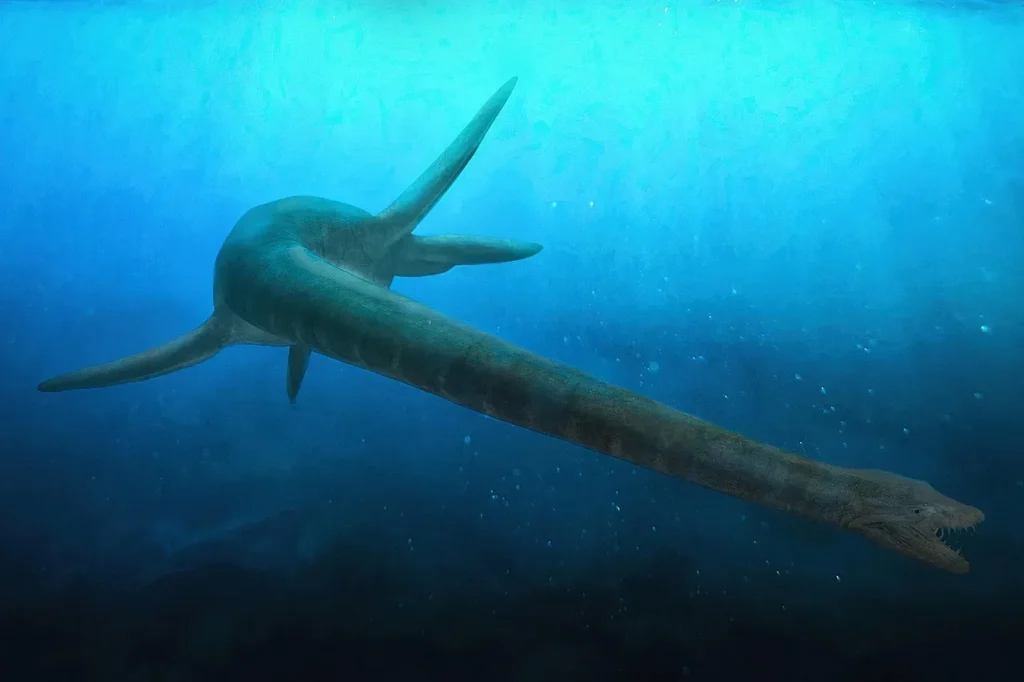
How the Marine Reptile Plesiosaurus Took Over the Seas

Beneath the rippling waters of Earth’s ancient oceans, a remarkable reptilian dynasty once reigned supreme. The Plesiosaurus and its relatives dominated the marine realm for over 135 million years, evolving into some of the most specialized aquatic predators our planet has ever witnessed. With their distinctive body plan—featuring elongated necks, compact bodies, and powerful flipper-like ...

The Hidden Colors of Prehistoric Seas

The Hidden Colors of Prehistoric Seas

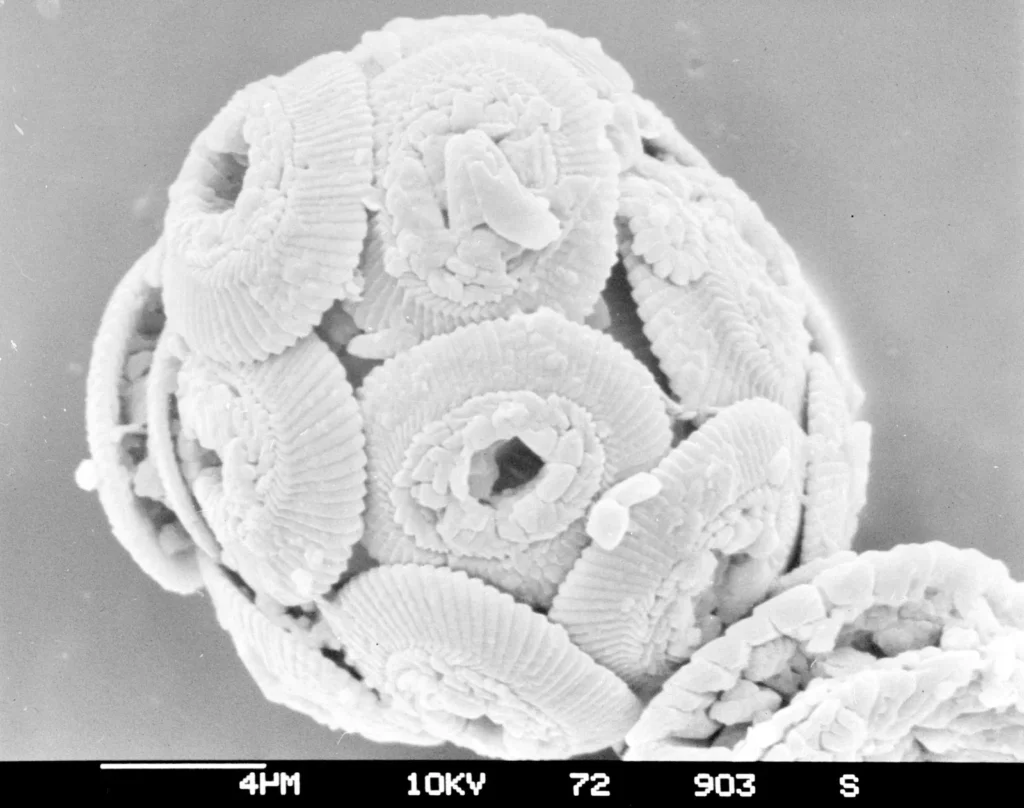
Imagine standing on the shores of an ancient Earth billions of years ago, watching waves crash against primordial rocks. The sight would be breathtaking, yet completely alien to our modern eyes. Instead of the familiar deep blue we know today, prehistoric oceans shimmered with unexpected hues that tell a remarkable story of life, chemistry, and ...

The Deep-Sea Creatures That Outlived Dinosaurs

The Deep-Sea Creatures That Outlived Dinosaurs

The ocean’s depths hold secrets that predate our most ancient understanding of Earth’s history. While thundered across continents for roughly 165 million years, some marine creatures were already ancient when these reptilian giants first emerged. These aquatic survivors have witnessed the rise and fall of entire ecosystems, enduring multiple mass extinctions that wiped out most ...

A gigantic shark with its mouth open emerges from ocean waves, surrounded by splashing water and seagulls flying under a dramatic sky. Thrilling scene.

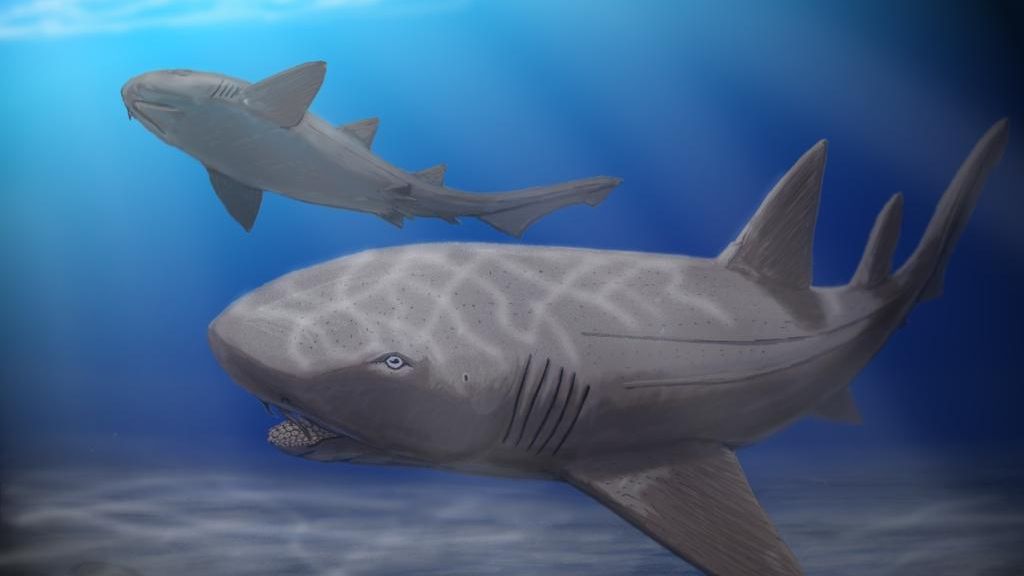
How Megalodon Took Over After the Dinosaurs Vanished

When the dinosaurs disappeared approximately 66 million years ago, Earth’s ecosystems underwent a dramatic transformation. In the oceans, new apex predators emerged to fill the ecological void, with one prehistoric shark eventually rising to dominate the marine world. Otodus megalodon, commonly known as the Megalodon, would evolve in the aftermath of this extinction event to ...

Ichthyosaurs first appeared in the early Triassic period, approximately 250 million years ago, evolving from terrestrial reptiles that returned to the sea.

How Ichthyosaurs Adapted to Life in Ancient Oceans

Ichthyosaurs represent one of the most remarkable examples of convergent evolution in the fossil record. These magnificent marine reptiles, whose name means “fish lizards,” dominated Earth’s oceans for over 150 million years during the Mesozoic Era. Despite being air-breathing reptiles that evolved from terrestrial ancestors, ichthyosaurs developed adaptations so specialized for aquatic life that they ...

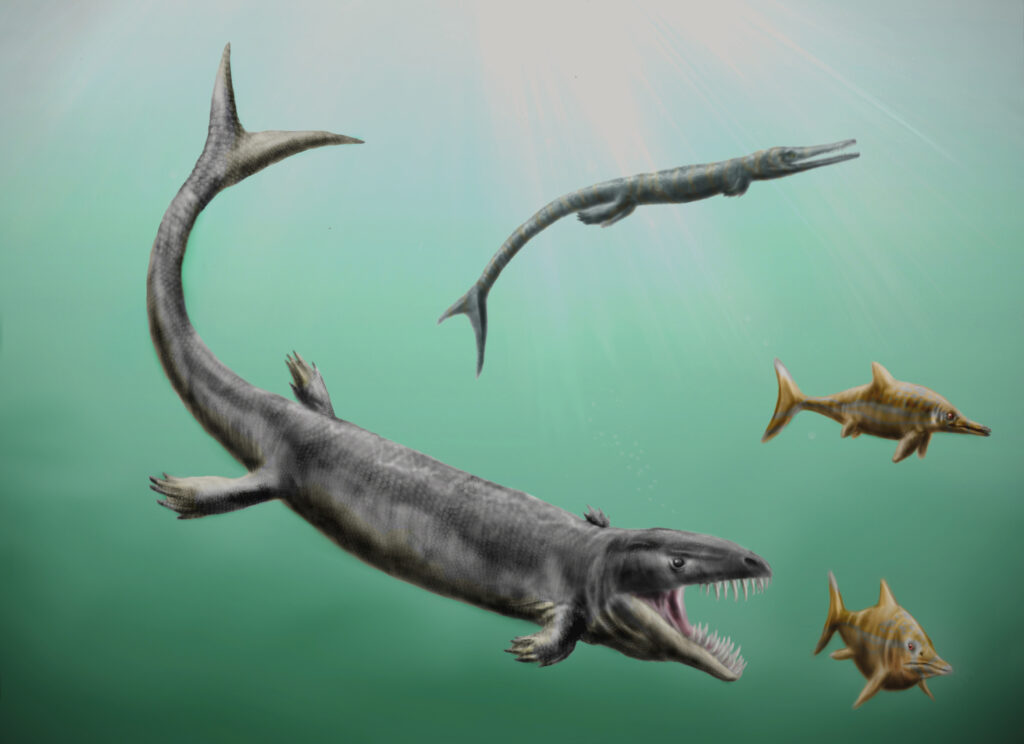
Illustration of a large prehistoric crocodile swimming underwater, showing detailed scales and powerful limbs, conveying a sense of ancient majesty.

From Crocodylomorphs to Otters: How Aquatic Life Evolved

The journey of terrestrial vertebrates back to aquatic environments represents one of evolution’s most fascinating narratives. Over millions of years, numerous lineages independently abandoned their terrestrial lifestyles to exploit the rich resources of rivers, lakes, and oceans. This remarkable story of convergent evolution spans diverse taxonomic groups, from ancient crocodylomorphs to modern otters, demonstrating how ...

Sea Creatures

Fossils of Fish Crabs and Sea Creatures Found With Dinosaurs

When we think of prehistoric life, towering dinosaurs often dominate our imagination. However, beneath the ancient waves swam a diverse ecosystem of marine creatures living alongside their terrestrial counterparts. Remarkably, many fossils of fish, crustaceans, and other sea creatures have been discovered in the same geological formations as dinosaur remains. These marine fossils provide a ...