Articles for category: Prehistoric Humans

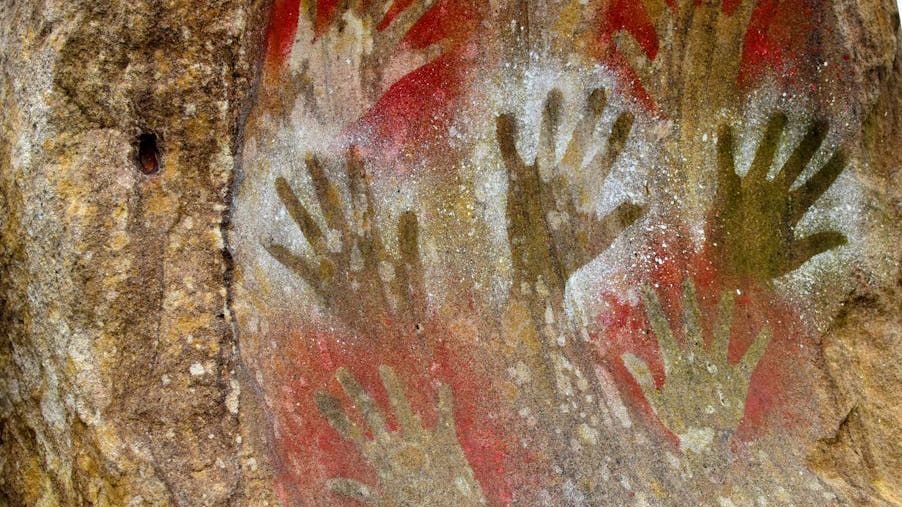
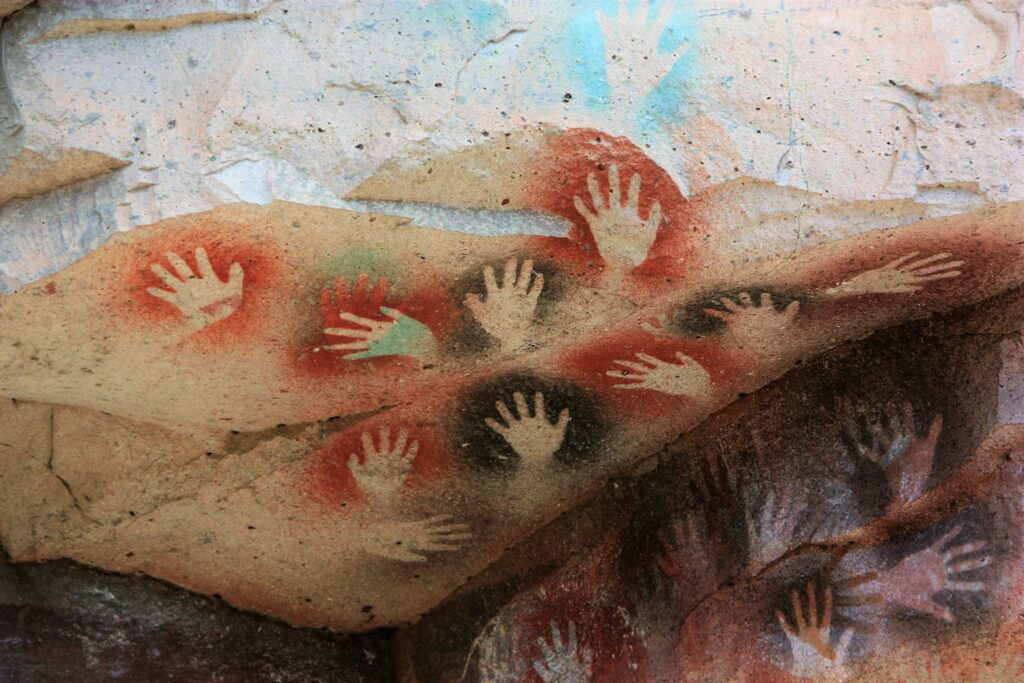
The prehistoric handprints found in a cave in Borneo that are at least 40000 years old - older than any equivalent found in Europe - and what they tell us about the minds that made them

The prehistoric handprints found in a cave in Borneo that are at least 40000 years old – older than any equivalent found in Europe – and what they tell us about the minds that made them

Those faint, rust-red handprints on the ceiling of a cave in Borneo look fragile, almost shy – as if they could disappear with one careless breath. Yet they have outlived entire ice ages, continents of forests, and every kingdom and empire humans have ever built. When scientists dated the rock art in Lubang Jeriji Saléh, ...
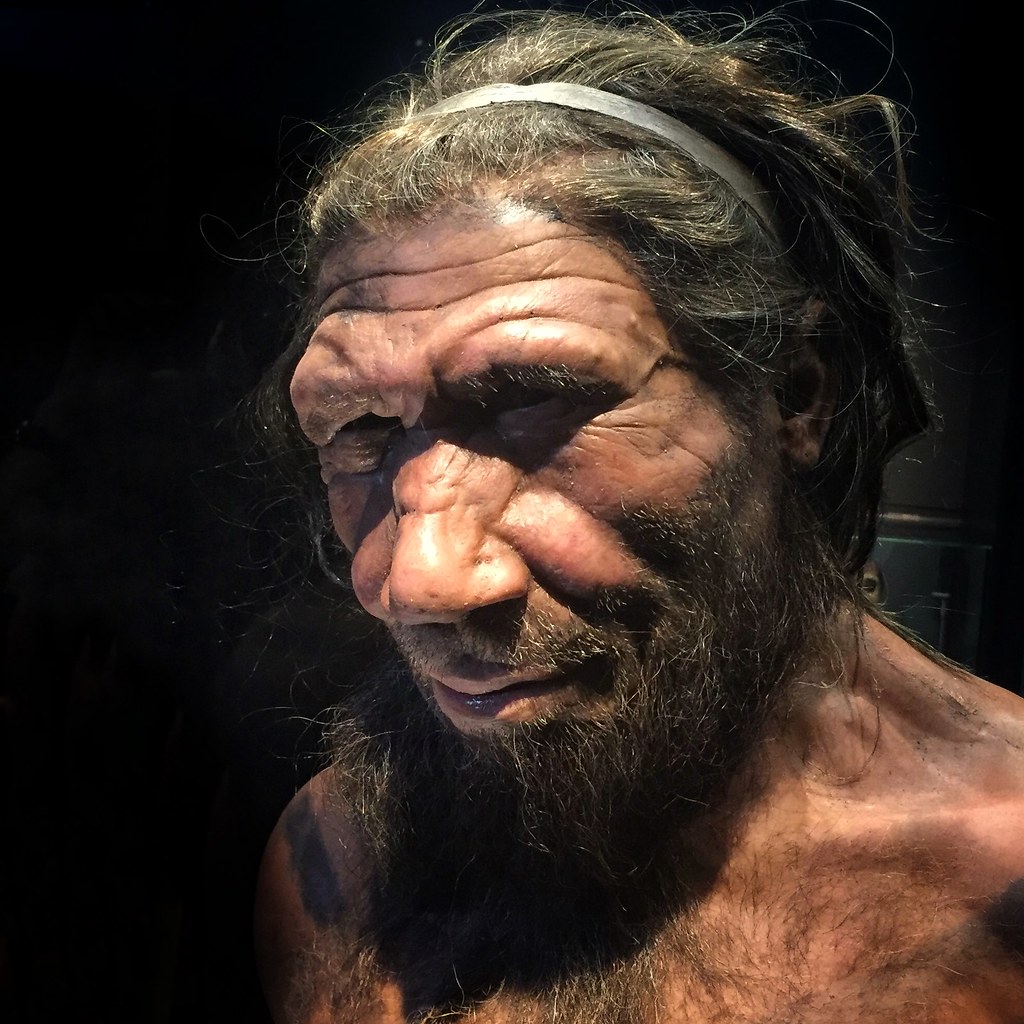
Prehistoric science says the first evidence of a human teaching another human a skill appears in the archaeological record approximately 1.7 million years ago and marks a turning point in the species' development

Prehistoric science says the first evidence of a human teaching another human a skill appears in the archaeological record approximately 1.7 million years ago and marks a turning point in the species’ development

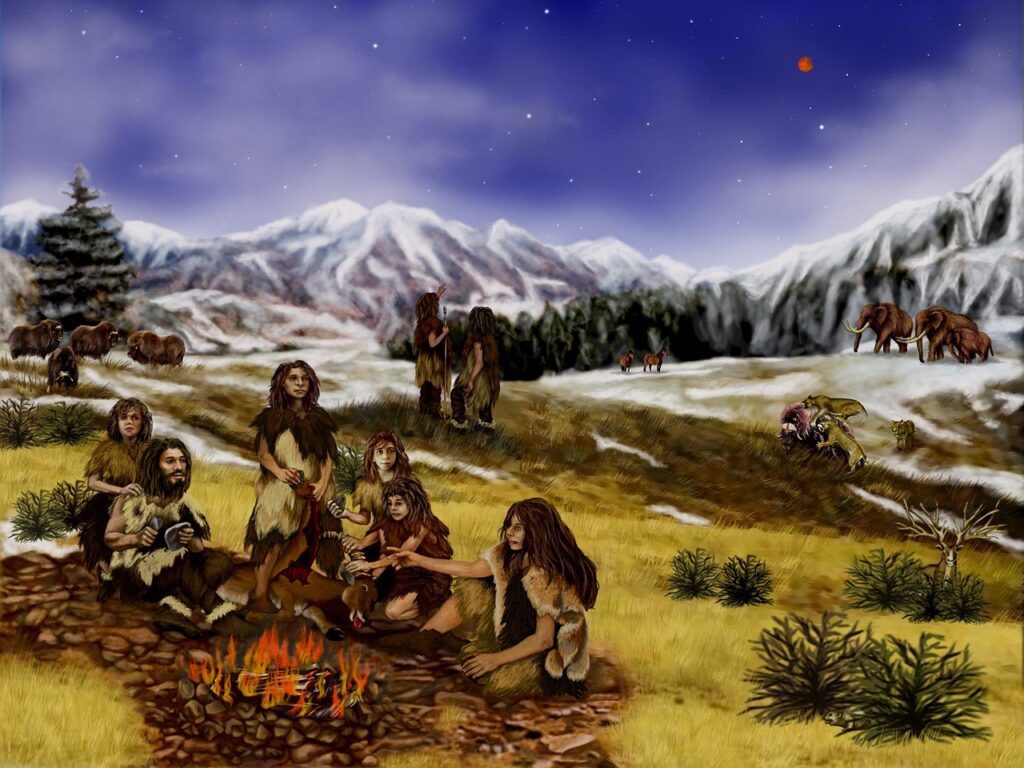
Imagine watching, in your mind’s eye, a small group of early humans huddled around a patch of light, one individual slowly guiding another’s hands over a rough stone. No words as we know them, no school, no written instructions – only gestures, repetition, and attention. Somewhere around one point seven million years ago, scenes like ...

8 facts about the real Stone Age that would make Fred Flintstone's jaw hit the floor

8 facts about the real Stone Age that would make Fred Flintstone’s jaw hit the floor

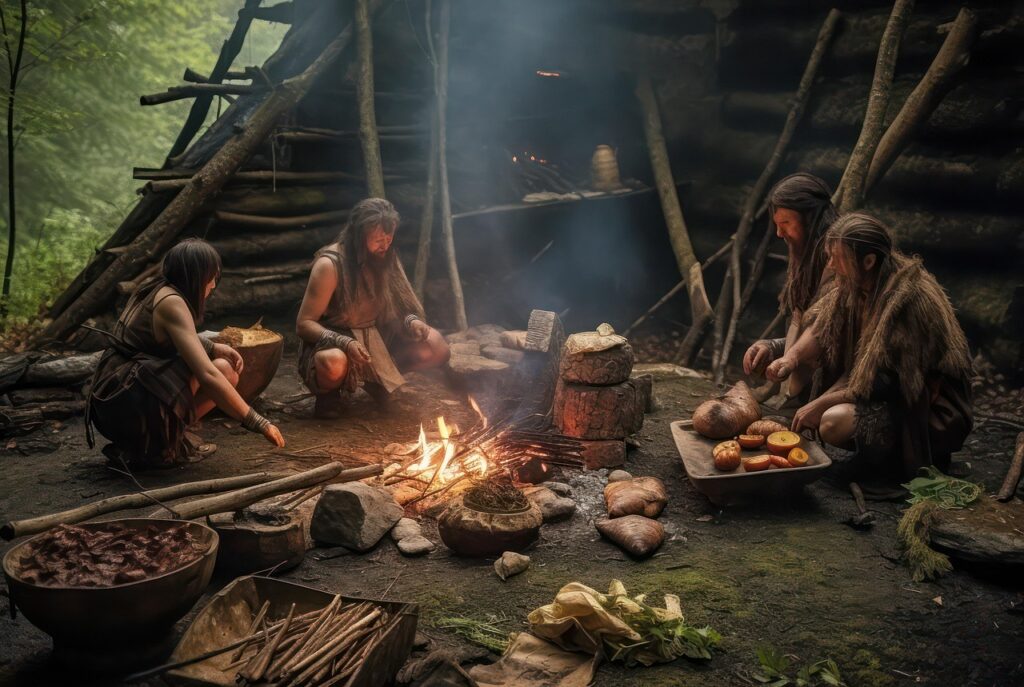
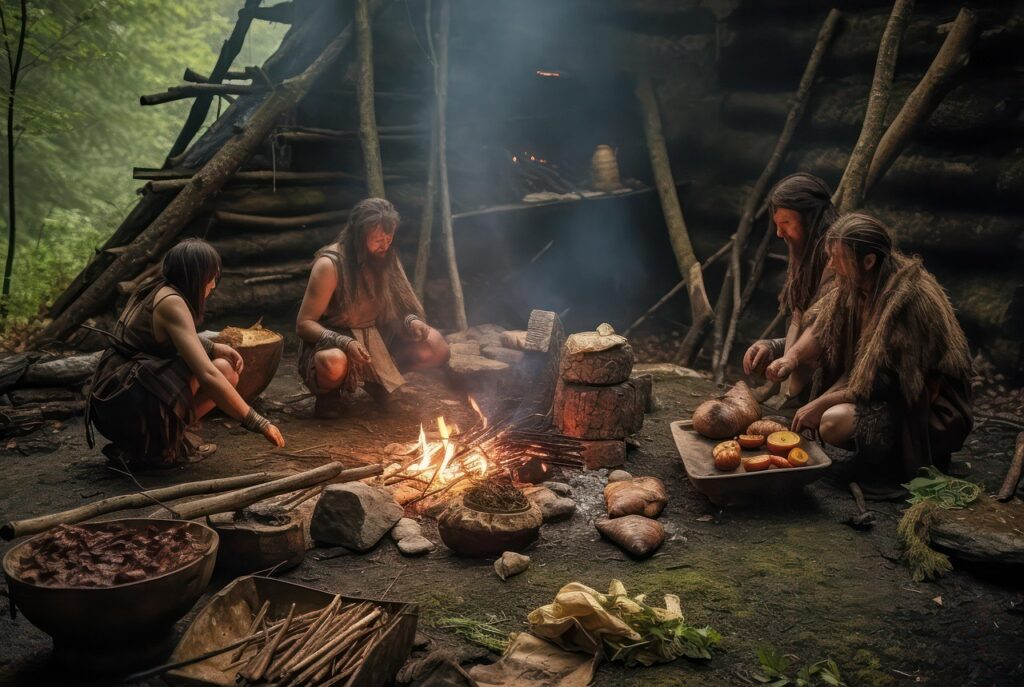
The Stone Age in cartoons looks like a never‑ending gag reel: pet dinosaurs as garbage disposals, bone-made cars, and cavemen yelling over giant slabs of meat. The real Stone Age was stranger, harsher, and in many ways far more impressive than anything that ever happened in Bedrock. If Fred Flintstone could time‑travel into actual prehistory, ...

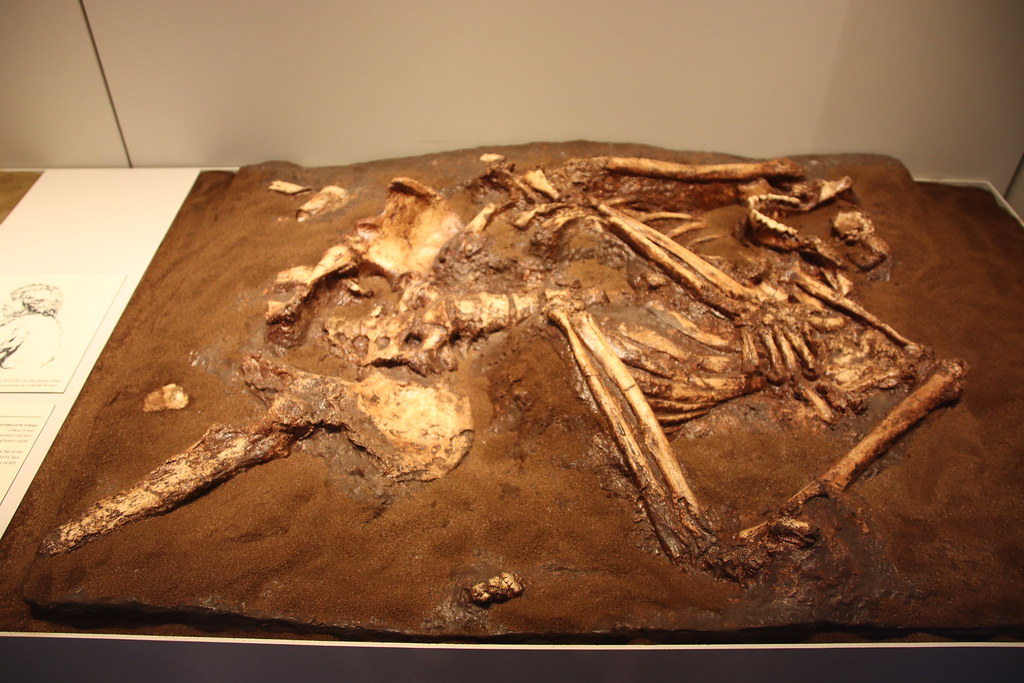
Prehistoric science says the moment ancient humans began burying their dead with objects was the moment something neurologically new had entered the world - and researchers are still debating exactly what it was.

Prehistoric science says the moment ancient humans began burying their dead with objects was the moment something neurologically new had entered the world – and researchers are still debating exactly what it was.

Walk for a minute in your mind through a Paleolithic cave. There’s a body laid gently in a shallow pit, sprinkled with red ochre, a shaped tool nearby, maybe an animal tooth or shell close to the hand. Nobody wrote down what this meant, and yet those objects hint at a mental universe that feels ...