Articles for category: Prehistoric Theories

The Ancient River That Ran Backward for a Million Years

The Ancient River That Ran Backward for a Million Years

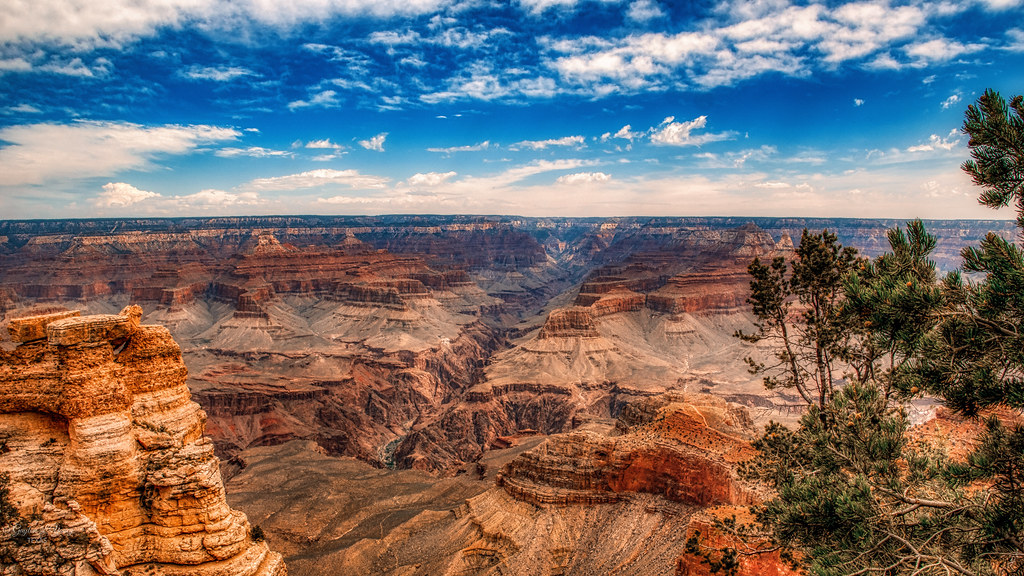
Picture standing beside a river and watching it flow east toward the ocean, then discovering that millions of years ago, those same waters rushed west in the completely opposite direction. This isn’t science fiction – it’s the incredible geological reality that shaped our planet’s most magnificent waterways. Ancient rivers didn’t just meander or shift slightly ...

Deccan Traps volcano

How the End of the Dinosaurs Opened the Door for Modern Mammals

The catastrophic event that ended the reign of dinosaurs approximately 66 million years ago represents one of the most pivotal turning points in Earth’s biological history. When a massive asteroid struck the Yucatán Peninsula, it triggered a chain of environmental disasters that wiped out approximately 75% of all species, including the non-avian dinosaurs that had ...

crocodile on body of water during daytime

Crocodiles vs. Dinosaurs: How One Lineage Survived and the Other Didn’t

Approximately 66 million years ago, a catastrophic event reshaped Earth’s biological landscape forever. The Cretaceous-Paleogene extinction event wiped out approximately 75% of all species, including the non-avian dinosaurs that had dominated terrestrial ecosystems for over 160 million years. Yet remarkably, crocodilians—the group including crocodiles and alligators—survived this mass extinction and continue to thrive today, virtually ...

A rocky asteroid burns with fiery debris trailing behind, set against a glowing sun and a dark star-filled space. The scene conveys chaos and intensity.

The Two Asteroid Theory: Was Earth Hit Twice in the Age of Dinosaurs?

The extinction of dinosaurs represents one of Earth’s most profound ecological transitions, transforming the planet’s biodiversity and paving the way for mammalian dominance. For decades, scientists attributed this mass extinction to a single asteroid impact at Chicxulub, Mexico. However, emerging research suggests a more complex scenario – the possibility that Earth experienced not one, but ...

SkySat satellite image of Deccan Traps, Maharashtra

Was the End-Cretaceous Extinction Slower Than We Think?

The end-Cretaceous mass extinction, which wiped out approximately 75% of all species on Earth, including the non-avian dinosaurs, has long been regarded as a sudden, catastrophic event. Conventional wisdom holds that the impact of a massive asteroid in what is now Chicxulub, Mexico, delivered a swift deathblow to Earth’s ecosystems around 66 million years ago. ...

View of Earth from space, showing swirling white clouds, blue oceans, and brown continents. The image conveys a sense of vastness and tranquility.

Is the Meteor Theory Wrong? The Alternative Extinction Hypotheses

For decades, the prevailing explanation for the dinosaurs’ demise has been the Alvarez hypothesis: a massive asteroid struck Earth 66 million years ago, triggering catastrophic climate change that wiped out approximately 75% of species on the planet. This theory gained substantial credibility with the discovery of the Chicxulub crater in Mexico’s Yucatán Peninsula and the ...

What Dinosaur Colors Reveal About Ancient Lives

How Paleontologists Know Dinosaur Skin Color

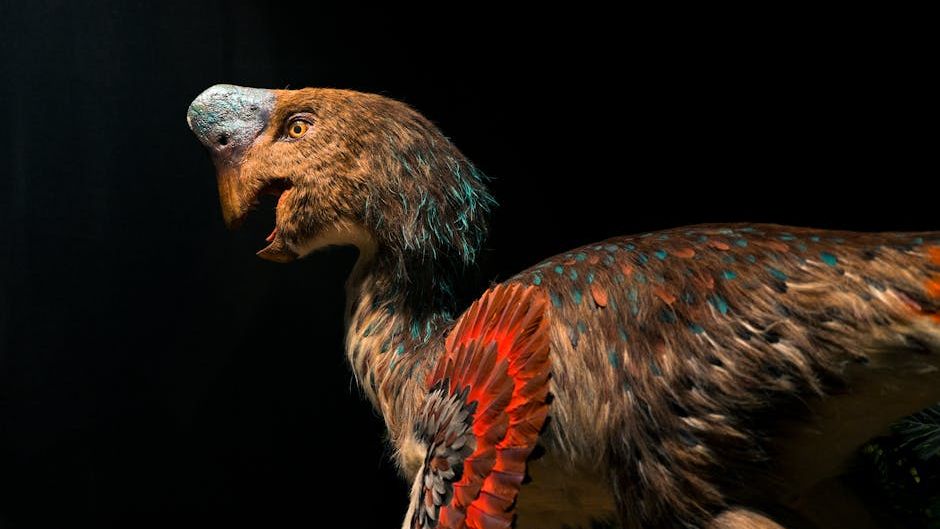
For centuries, dinosaurs lived only in our imaginations as shadowy, mysterious creatures painted in the drab greens and browns we associated with modern reptiles. Your perception of these ancient giants has fundamentally changed over the past decade as scientists developed revolutionary techniques to peer back through millions of years and discover something previously thought impossible: ...