Articles for category: Prehistoric Theories

Evolutionary Biology Says the Instinct to Hoard Food, Money, or Objects in Times of Stress Is a Cortisol Response That Evolved During Ice Age Famines

Evolutionary Biology Says the Instinct to Hoard Food, Money, or Objects in Times of Stress Is a Cortisol Response That Evolved During Ice Age Famines

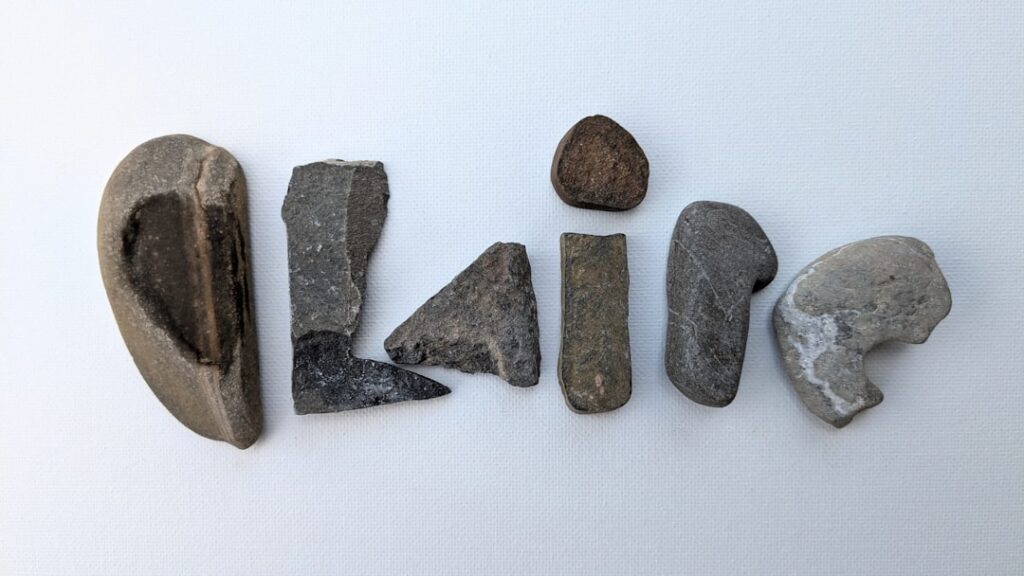
When life feels like it is spinning out of control, many people do the same oddly specific thing: they start stockpiling. Groceries, cash, canned goods, toiletries, random supplies from online orders that suddenly feel urgent. It is easy to laugh at the overflowing pantry or the drawer full of “just in case” items, but tucked ...

Anthropology Says the Human Tendency to Sit Around a Fire and Tell Stories at Night May Be the Single Oldest Technology the Species Ever Developed for Building Trust

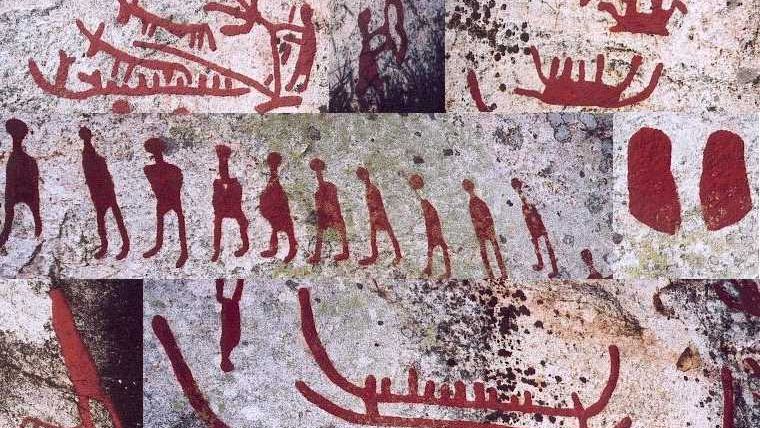
Anthropology Says the Human Tendency to Sit Around a Fire and Tell Stories at Night May Be the Single Oldest Technology the Species Ever Developed for Building Trust

Picture this: a circle of people, the snap of burning wood, shadows moving on rock walls, and a voice carrying a story into the dark. No screens, no microphones, no written scripts – just breath, firelight, and listening. Long before there were cities, money, or even agriculture, there is solid evidence that humans were gathering ...

Prehistoric Science Says Neanderthals Who Cared for Their Injured and Elderly Were Demonstrating Compassion in a World Where That Behavior Had No Obvious Survival Advantage

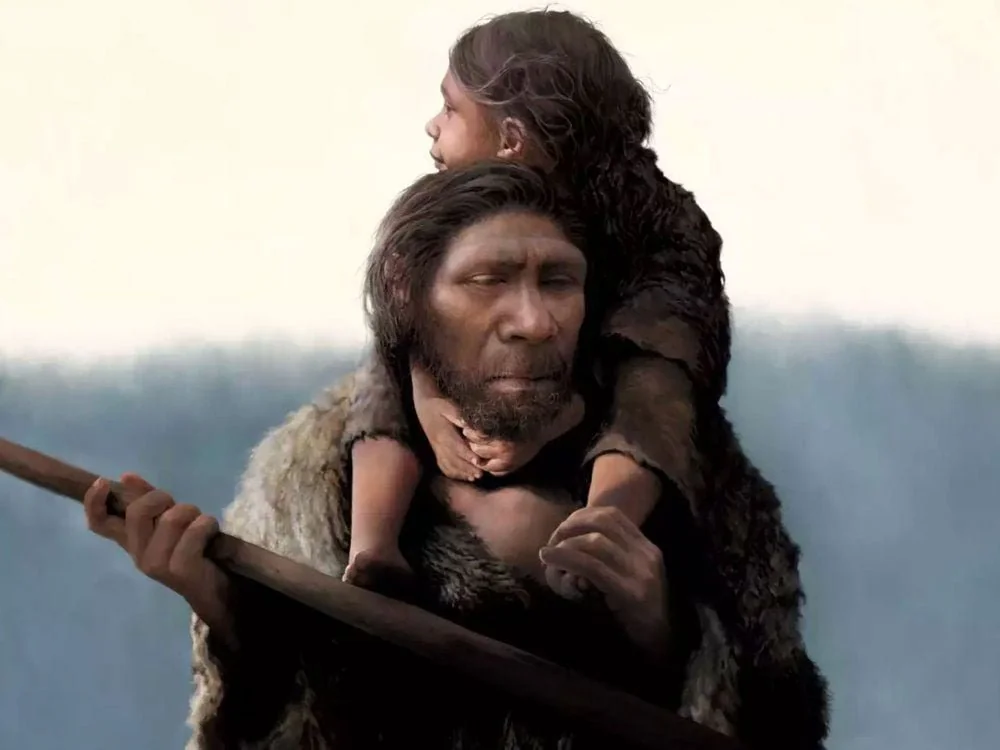
Prehistoric Science Says Neanderthals Who Cared for Their Injured and Elderly Were Demonstrating Compassion in a World Where That Behavior Had No Obvious Survival Advantage

Imagine a freezing Ice Age evening: scarce food, dangerous predators, brutal terrain. In that kind of world, you would expect every action to be ruthlessly calculated for survival. Yet the bones Neanderthals left behind tell a quieter, stranger story: individuals so badly injured or disabled they could not have lived alone, who somehow survived for ...

Anthropology Says the Reason Humans Around the World Independently Invented Music Is That Rhythm Synchronizes Brains and May Have Been Our First Form of Social Bonding

Anthropology Says the Reason Humans Around the World Independently Invented Music Is That Rhythm Synchronizes Brains and May Have Been Our First Form of Social Bonding

You can be in a nightclub in Berlin, a wedding in Lagos, or a ceremony in a remote mountain village, and the same strange thing happens: people move together to a beat, their bodies falling into step as if someone secretly rewired their nerves. That eerie click of “sudden togetherness” is not an accident or ...

Archaeology Says the Cave Artists of 40,000 Years Ago May Have Painted in Flickering Firelight Deliberately - to Make the Animals on the Walls Appear to Breathe

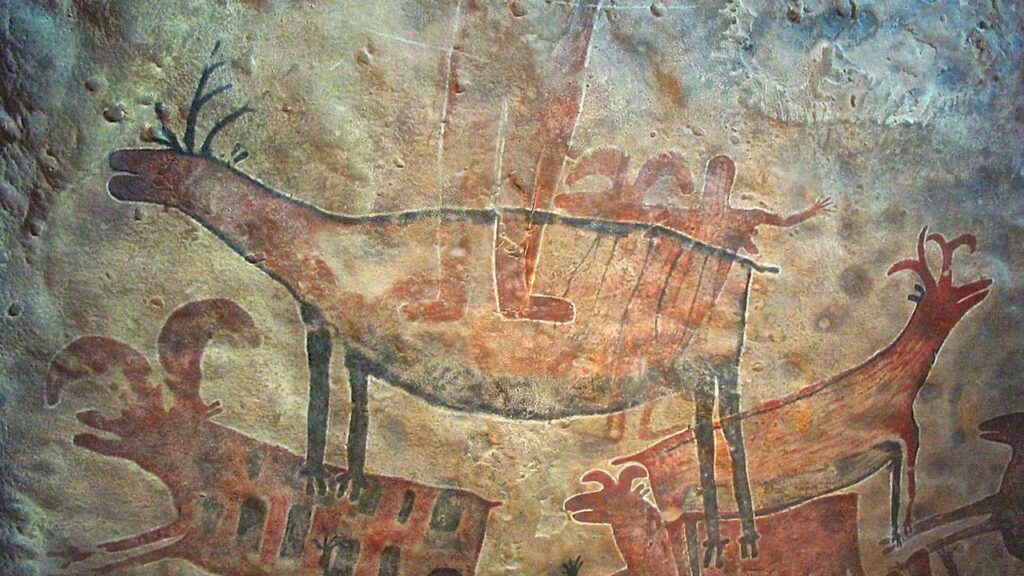
Archaeology Says the Cave Artists of 40,000 Years Ago May Have Painted in Flickering Firelight Deliberately – to Make the Animals on the Walls Appear to Breathe

Imagine walking into a dark cave, the air cool and still, and suddenly a torch flame jumps to life. On the walls around you, bison and horses seem to stir, antlers quiver, hooves blur, and for a split second you could swear that the rock itself is breathing. That eerie, goosebump feeling is not just ...