Articles for author: Lovely Aquino

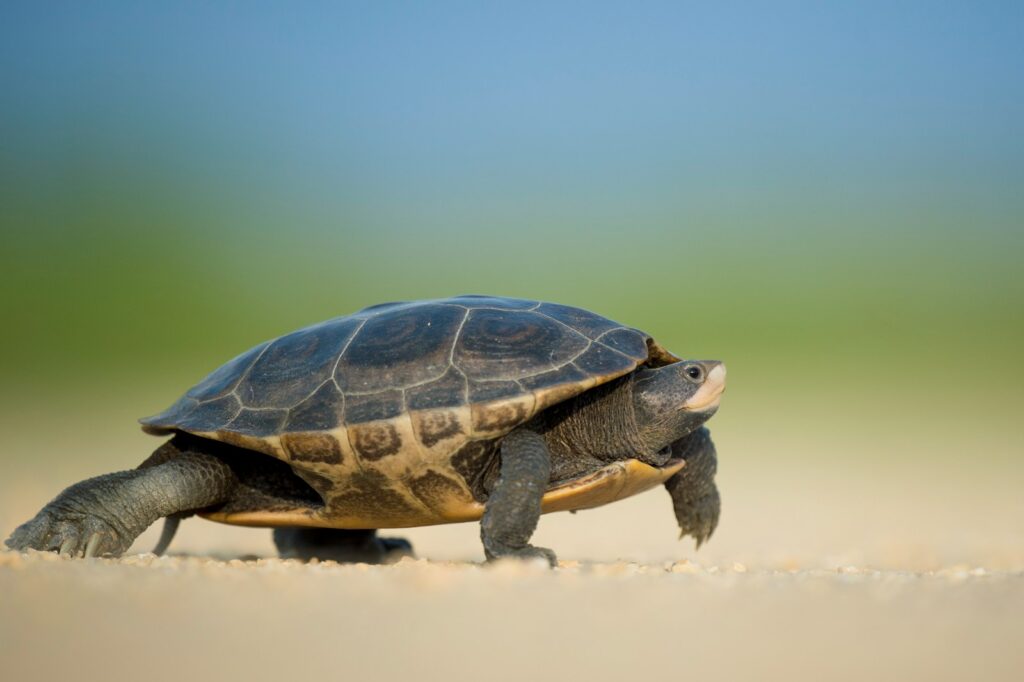
focused photo of a sea turtle walking on the seashore

Turtles vs. Extinction: How They Adapted and Endured

In the grand theater of evolution, few performers have shown the staying power of turtles. These remarkable reptiles have survived for over 220 million years, witnessing the rise and fall of dinosaurs and enduring multiple mass extinction events that wiped out countless other species. Their distinctive shells, deliberate pace, and remarkable adaptability have allowed them ...
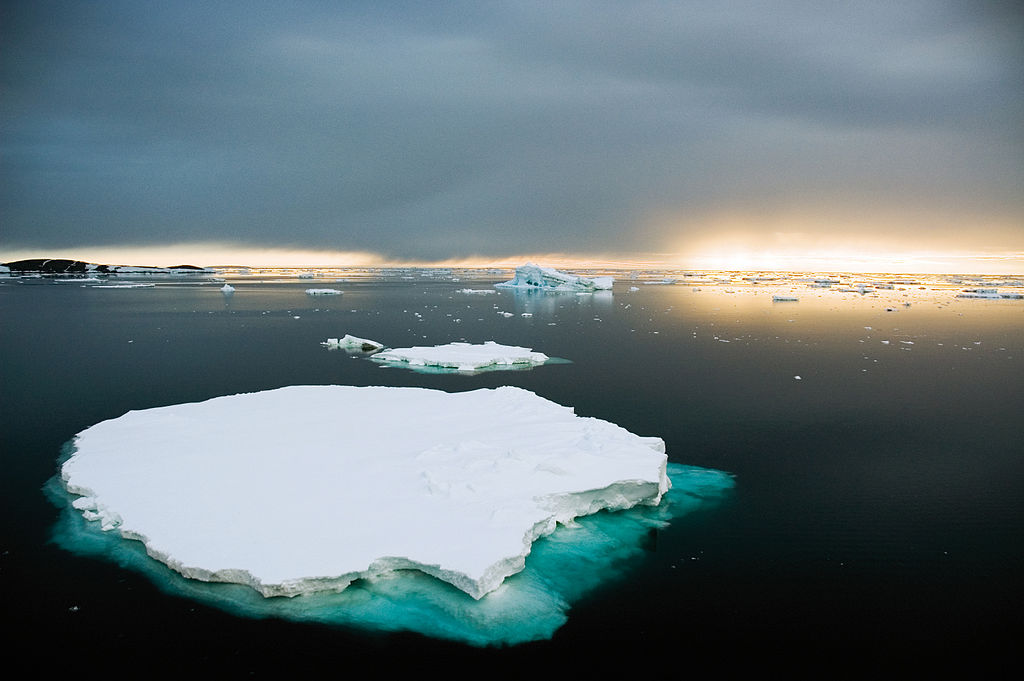
Icebergs are formed when pieces of ice break away from the Antarctic ice sheet

When the Poles Had Tropical Seas: Ocean Life at the Ancient Poles

Earth’s poles today are frigid realms of ice and snow, inhabited by remarkably adapted species that survive in some of our planet’s harshest conditions. Yet the geological record tells a dramatically different story—one where these same polar regions once hosted warm, tropical seas teeming with diverse marine life. This seemingly paradoxical transformation spans millions of ...

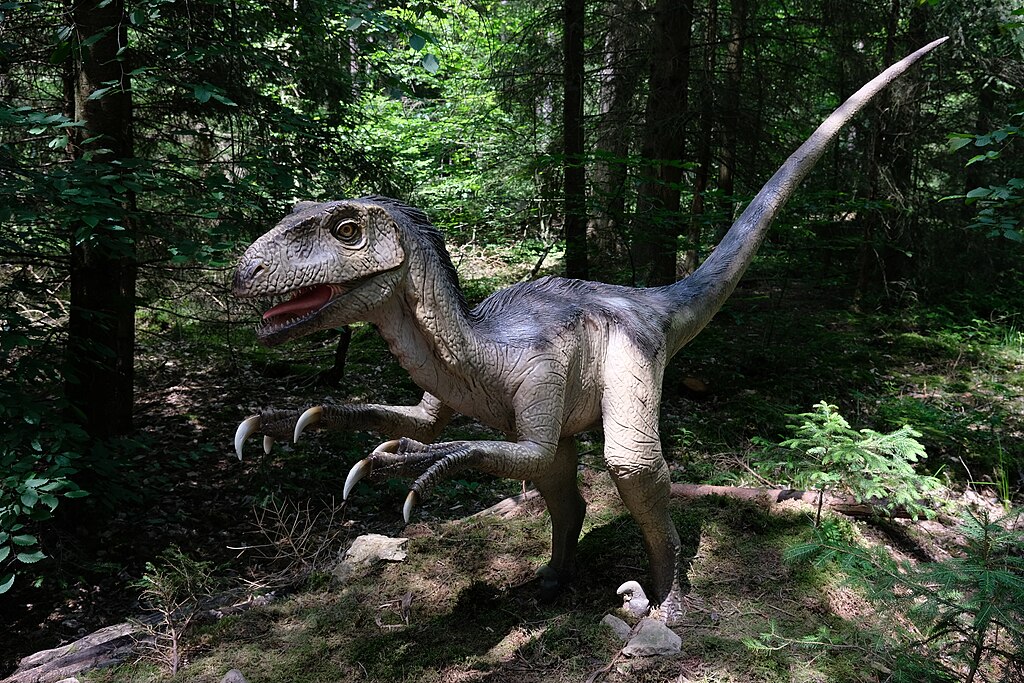
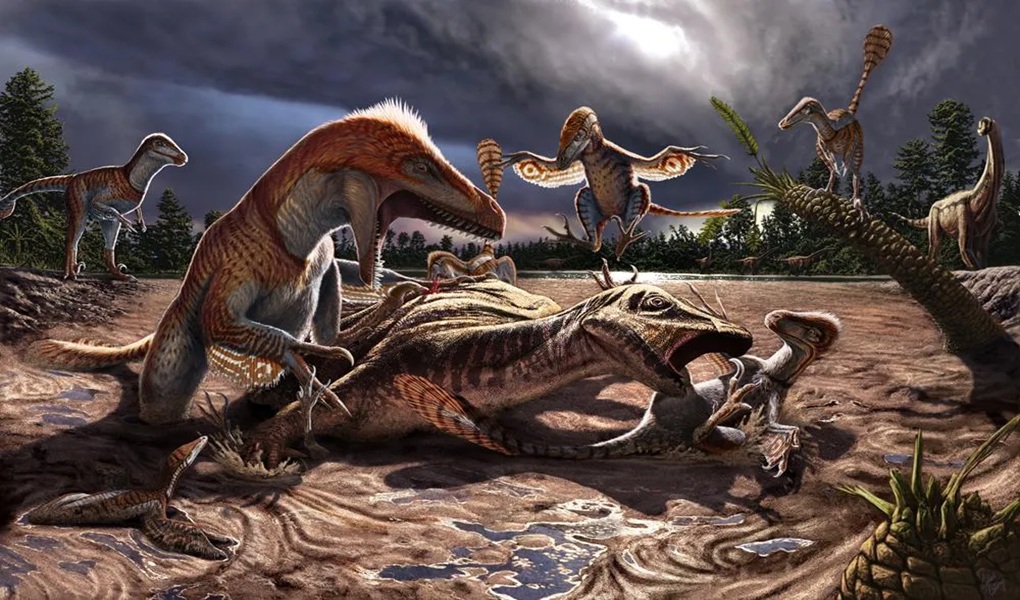
Utahraptor The Raptor

Were All Dinosaurs Huge? Meet the Chicken-Sized Killers

Popular culture has long portrayed dinosaurs as colossal beasts that dominated prehistoric landscapes. Films, books, and exhibitions typically showcase massive creatures like Tyrannosaurus rex or Brachiosaurus, reinforcing the notion that “dinosaur” is synonymous with “gigantic.” However, paleontological discoveries reveal a far more diverse reality. While some dinosaurs indeed reached breathtaking proportions, many species were surprisingly ...

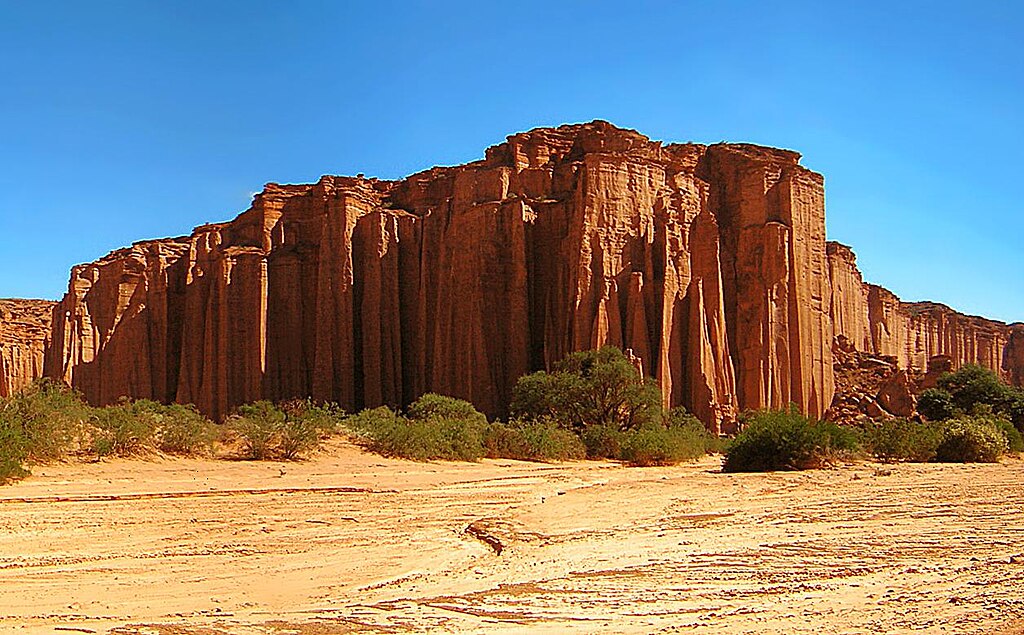
Talampaya

Fossil Hotspots: The Most Productive Dinosaur Sites on Earth

The Earth’s geological record serves as a time capsule, preserving the remnants of prehistoric life that once dominated our planet. Among these ancient creatures, dinosaurs captivate our imagination like no other. Across the globe, certain regions have yielded extraordinary concentrations of dinosaur fossils, providing paleontologists with unprecedented glimpses into the Mesozoic Era. These fossil hotspots ...

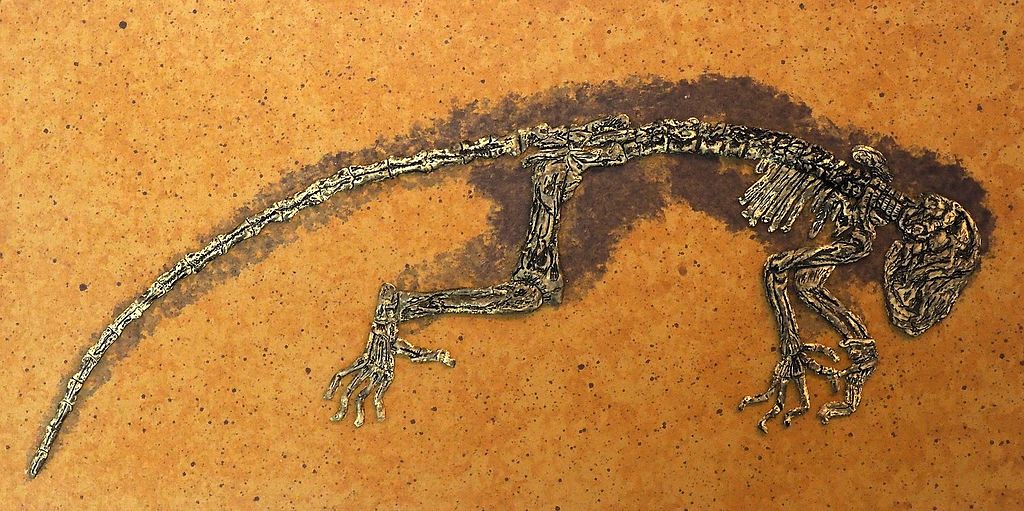
Reproduction of Darwinius masillae holotype fossil (specimen PMO 214.214)

Solving Prehistoric Puzzles: Famous Fossil Finds Decoded

Throughout history, paleontologists have unearthed remarkable fossils that have dramatically reshaped our understanding of prehistoric life on Earth. These fossilized remains—bones, teeth, impressions, and even preserved soft tissues—serve as time capsules, offering glimpses into worlds long vanished. The discovery and interpretation of these ancient relics require meticulous scientific detective work, combining geology, biology, chemistry, and ...

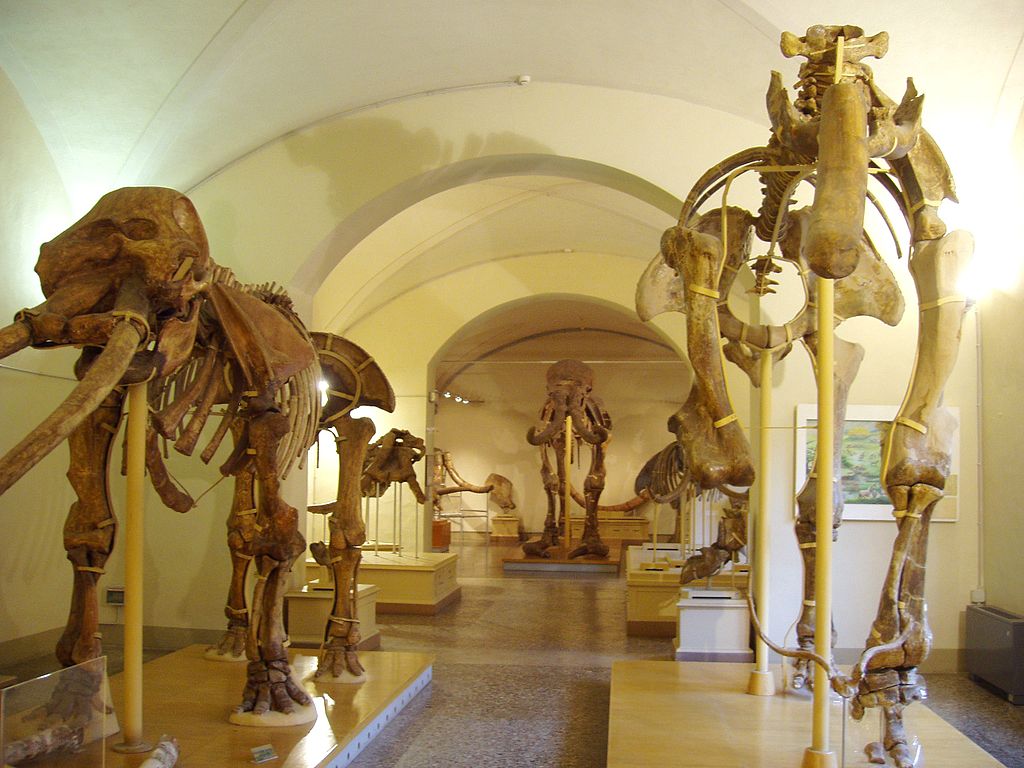
Museo di Storia Naturale di Firenze

From Error to Icon: How Paleontology Corrects Its Mistakes

Paleontology, the study of prehistoric life through fossils, has a fascinating relationship with error. Unlike many scientific disciplines where mistakes might be confined to laboratory notebooks, paleontological errors often become public spectacles—immortalized in museum displays, textbooks, and popular culture. Yet the field’s resilience lies precisely in its ability to correct course, transform understanding, and even ...

A reddish-brown crayfish fossil, facing right, on tan stone

Why Some Fossils Are Black, Others Are White—What It Means

Fossils, the preserved remains or traces of ancient organisms, come in a fascinating array of colors—from jet black to pristine white and various shades in between. These color variations aren’t merely aesthetic differences but tell profound stories about the fossilization process, geological conditions, and even the biology of the original organism. The coloration of fossils ...

Portrait of Richard Owen

Richard Owen: The Man Who Coined the Word ‘Dinosaur’

In the grand tapestry of scientific history, few individuals have left such a profound linguistic legacy as Sir Richard Owen. While his name may not command the immediate recognition of Darwin or Einstein, Owen’s contribution to our scientific vocabulary has ensured his immortality in the halls of paleontological fame. In 1842, he introduced the world ...

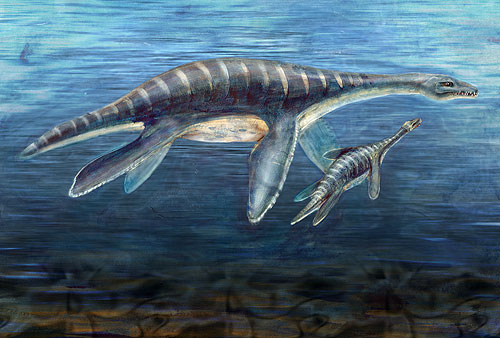
Mother and Juvenile Plesiosaur

How the Marine Reptile Plesiosaurus Took Over the Seas

Beneath the rippling waters of Earth’s ancient oceans, a remarkable reptilian dynasty once reigned supreme. The Plesiosaurus and its relatives dominated the marine realm for over 135 million years, evolving into some of the most specialized aquatic predators our planet has ever witnessed. With their distinctive body plan—featuring elongated necks, compact bodies, and powerful flipper-like ...