Articles for author: Awais Khan

T-rex Coprolite Dinosaur Poop Poozeum

How Did Dinosaurs Poop? Fossil Clues From Coprolites

Paleontologists have long studied dinosaur bones, teeth, and footprints to understand these magnificent creatures that roamed Earth millions of years ago. However, one fascinating and often overlooked aspect of dinosaur biology is their digestive processes—specifically, how dinosaurs pooped. Through the scientific study of fossilized feces, known as coprolites, researchers have gained remarkable insights into dinosaur ...

A vast, arid desert landscape under a cloudy sky, with rolling dunes and small rugged hills. Sparse vegetation, conveying a sense of isolation.

What Prehistoric Climates Meant for Daily Dino Survival

The dinosaurs dominated Earth for over 165 million years, thriving through dramatic climate shifts and environmental changes that would challenge even the most adaptable modern species. From scorching deserts to lush rainforests, from warm polar regions to seasonal temperate zones, these magnificent creatures evolved remarkable adaptations to survive in their prehistoric worlds. The climate of ...

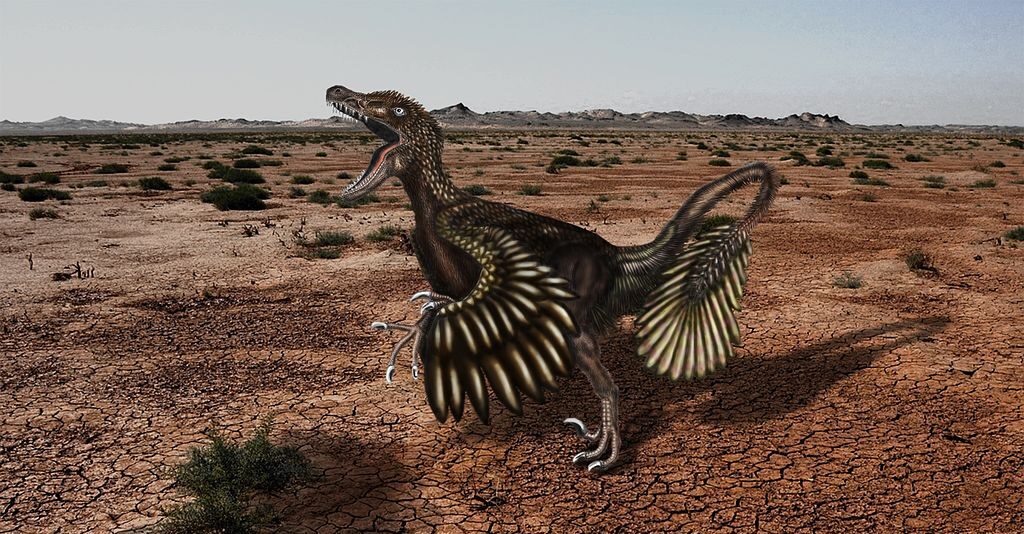
Microraptor's aerodynamic feathers hint at gliding or even early flight, soaring through prehistoric skies.

Microraptor: The Four-Winged Glider Smaller Than a Housecat

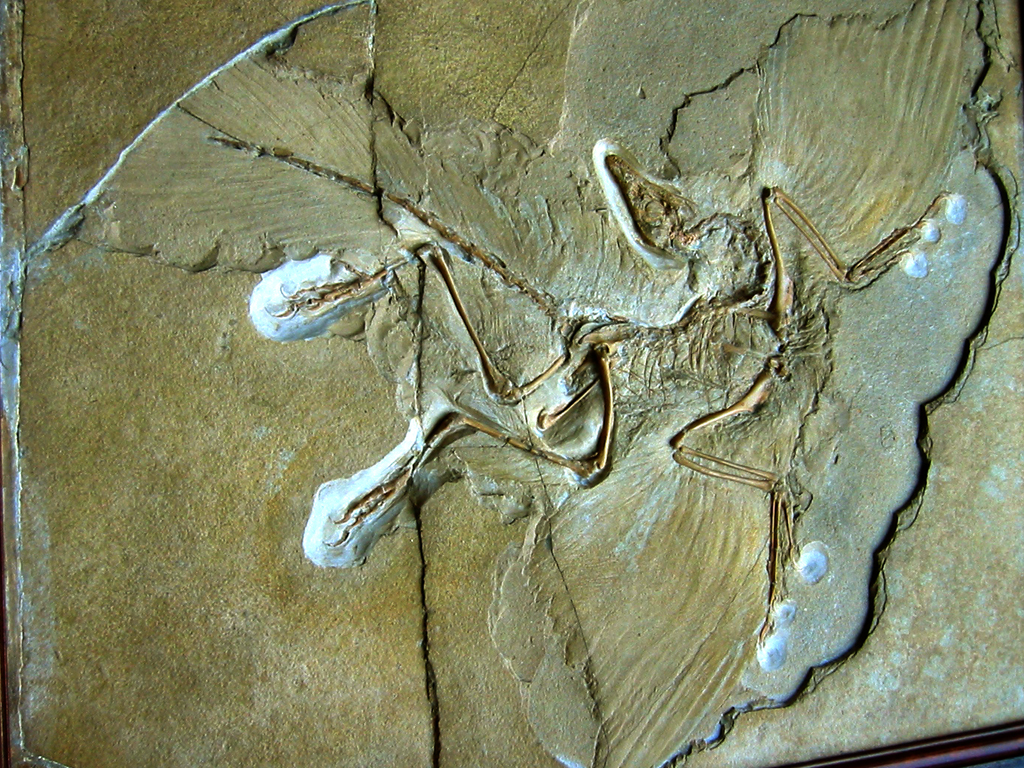
Imagine a creature soaring through prehistoric forests, smaller than a modern housecat, with gleaming feathers on not just two but four limbs. This remarkable animal was Microraptor, one of the most fascinating dinosaurs ever discovered and a crucial piece in our understanding of avian evolution. Dating back approximately 120 million years to the Early Cretaceous ...

Early Dinosaurs: The Underdogs Who Became Champions

Early Dinosaurs: The Underdogs Who Became Champions

Picture this: 250 million years ago, the world was a burning wasteland. The Great Dying had just wiped out nearly every living thing on Earth, leaving behind a planet that looked more like hell than home. In this desolate landscape, a small group of creatures no bigger than crows were scratching out a living in ...

Conclusion

10 Dinosaur Behaviors Inferred From Fossil Clues

The fossil record provides an extraordinary window into dinosaur life, revealing behaviors that went extinct millions of years ago. When paleontologists study dinosaur remains, they’re not just looking at bones – they’re uncovering stories about how these ancient creatures moved, fought, lived together, and survived in their prehistoric world. Herding and Group Movement Revealed Through ...

The Titanosaur

What’s Heavier: A Titanosaur or a Commercial Jet?

When we think about truly massive objects, both prehistoric creatures and modern technology can inspire awe with their sheer scale. The titanosaurs—the largest dinosaurs to ever walk the Earth—and today’s commercial airliners represent pinnacles of natural evolution and human engineering, respectively. But which weighs more? This comparison explores the fascinating intersection of paleontology and aviation, ...

Velociraptor Mongoliensis Painting

Tiny Tyrants: Mini-Raptors of the Cretaceous Forests

While Tyrannosaurus rex and other massive predatory dinosaurs often dominate our imagination of prehistoric life, the Cretaceous period was also home to a fascinating group of smaller predators that ruled the undergrowth of ancient forests. These diminutive yet deadly hunters—sometimes weighing no more than a modern turkey—were equipped with impressive intelligence, speed, and hunting adaptations ...

Dinosaur skeletons displayed in a museum exhibit. Two complete fossil structures positioned in a sandy setting with green foliage for realism.

Did Dinosaurs Fight for Territory Like Lions Do Today?

Prehistoric territorial battles have long fascinated paleontologists and dinosaur enthusiasts alike. When we observe modern animals like lions fiercely defending their territories, it raises intriguing questions about whether dinosaurs, those magnificent rulers of Earth for over 165 million years, engaged in similar territorial behaviors. While we can’t directly observe dinosaur behavior, scientific evidence from fossils, ...

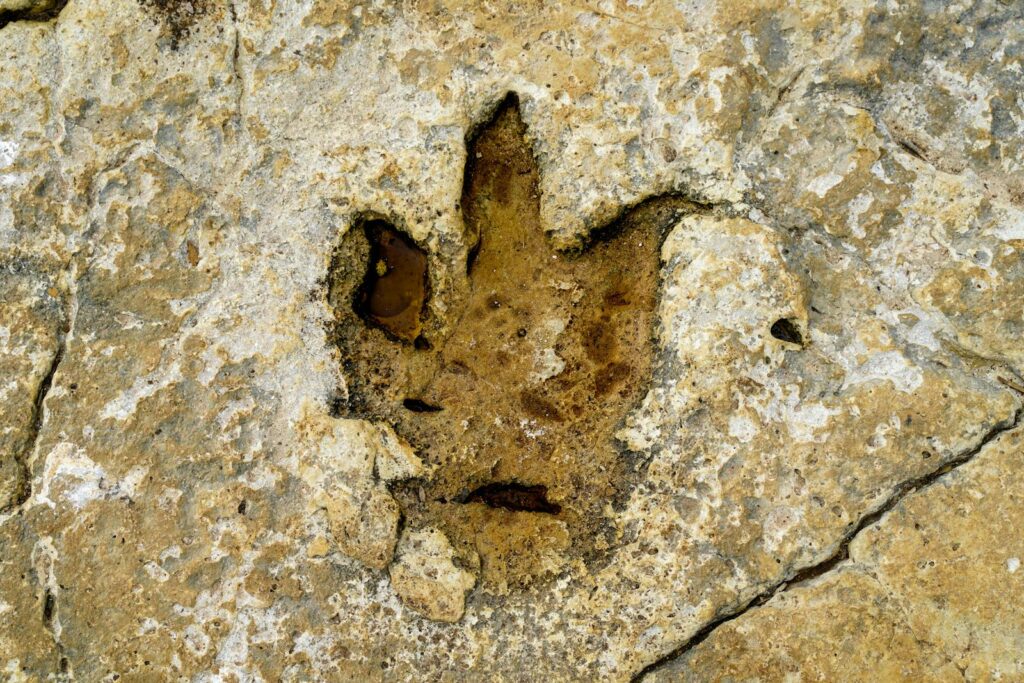
Close-up of a dinosaur footprint fossil embedded in rocky ground. The texture is rugged, with shades of brown and green, conveying an ancient, historical feel.

What Fossil Footprints Reveal About Dinosaur Stampedes

Across the ancient landscapes of our planet, dinosaurs once thundered in massive herds, leaving behind only their fossilized footprints as evidence of these dramatic events. These trace fossils, preserved in stone for millions of years, provide paleontologists with a remarkable window into dinosaur behavior that skeletal remains alone cannot offer. Unlike bones, which reveal information ...