Articles for author: Mitul Biswas

Paleontology in Central Oregon

7 Kids’ Shows That Turned Paleontology Into a Prehistoric Adventure

Paleontology, the study of ancient life through fossils, might seem like a complex scientific field reserved for academics in dusty museums. However, several brilliant children’s television shows have transformed this discipline into exciting adventures that captivate young minds while sneaking in substantial educational content. These programs have inspired generations of children to develop an interest ...

Animated Adventures in Ancient Times

The Evidence for Bone-Crunchers in the Mesozoic

The Mesozoic Era, spanning approximately 252 to 66 million years ago, was dominated by some of the most fearsome predators to ever walk the Earth. While the iconic Tyrannosaurus rex and other large theropods have captured the public imagination as fearsome carnivores, paleontologists have increasingly uncovered evidence suggesting a specialized feeding behavior among certain Mesozoic ...

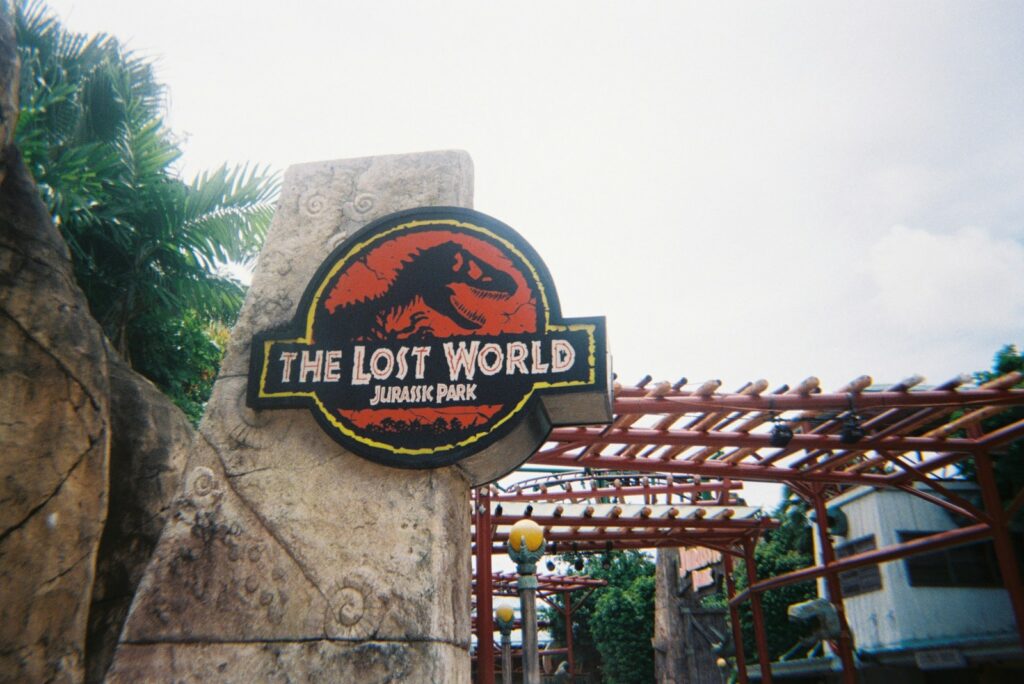
Jurassic Park entrance at Universal Studios Hollywood

The Real Paleontological Debates That Inspired Robert Burke’s Character in Jurassic Park

In the thrilling world of Jurassic Park, few supporting characters are as memorable as Dr. Robert Burke, the paleontologist who meets an unfortunate end in “The Lost World: Jurassic Park.” Portrayed by Thomas F. Duffy, Burke represents more than just another victim of dinosaur mayhem—he embodies real scientific debates that were raging in paleontology during ...

Hollywood Has Changed the Way We Imagine Dinosaurs

How Movies and Museums Influence Public Perception of Dinosaurs

Dinosaurs have captivated human imagination since their first fossil discoveries in the 19th century. However, most people never encounter actual dinosaur remains in their natural state. Instead, our understanding and perception of these prehistoric creatures come primarily through two cultural institutions: movies and museums. These powerful mediators shape how we visualize dinosaurs, what we believe ...

Volcanic Track Research

Swamps, Volcanoes, and Ice: The Prehistoric Landscapes of the American West

The American West we know today—with its arid deserts, towering mountains, and dramatic canyons—bears little resemblance to the region’s prehistoric past. Millions of years ago, this landscape underwent extraordinary transformations as tectonic forces, dramatic climate shifts, and volcanic activity continually reshaped the terrain. From vast inland seas and tropical swamps to explosive volcanic landscapes and ...

The Tyrannosaurus rex, Dromaeosaurus, Triceratops, and Struthiomimus diorama at the Milwaukee Public Museum in Milwaukee, Wisconsin.

Zunityrannus The Lesser Known Tyrannosaur from Utah’s Prehistoric Deserts

In the vast pantheon of prehistoric predators, Tyrannosaurus rex often steals the spotlight. However, the tyrannosaur family tree contains numerous fascinating branches that deserve recognition. Among these lesser-known relatives is Zunityrannus, a mid-sized tyrannosaur that prowled what is now Utah during the Late Cretaceous period. This relatively recent discovery has expanded our understanding of tyrannosaur ...

A dinosaur sculpture with a long neck and tail stands on a grassy mound against a cloudy sky. Surrounding trees enhance a prehistoric ambiance.

Did Dinosaurs Drag Their Tails That’s an Old Idea

For generations, our perception of dinosaurs has been shaped by illustrations, museum displays, and films depicting these ancient creatures lumbering about with their tails dragging behind them. This image became so ingrained in popular culture that it was rarely questioned. However, modern paleontology has dramatically transformed our understanding of how dinosaurs carried themselves, particularly regarding ...

Roaring T-Rex statue in a city plaza, surrounded by tall skyscrapers. The dinosaur's open mouth and sharp teeth create a dramatic contrast.

How Dinosaurs Changed the Way We Think About Earth’s History

The discovery of dinosaurs sparked a revolution in our understanding of Earth’s past. Before these massive creatures captured scientific attention, our planet’s history was primarily viewed through the lens of religious texts and mythology. When the first dinosaur fossils were scientifically described in the early 19th century, they opened a window into a previously unimagined ...

Gorgosaurus chasing Corythosaurus

Edmontosaurus The Duck Billed Herd Grazer of the Western Interior Seaway

Edmontosaurus, one of the most well-studied dinosaurs from the Late Cretaceous period, was a magnificent herbivore that roamed across what is now North America. These duck-billed dinosaurs, known scientifically as hadrosaurs, left behind a remarkable fossil record that has enabled paleontologists to reconstruct their appearance, behavior, and ecological role with impressive detail. Living approximately 73 ...

From Bone Battles to Rom-Coms: The Many Lives of Fictional Fossil Experts

Who Ate the Dinosaurs After They Died? Scavenger Behavior in the Fossil Record

When we think about dinosaurs, we often imagine their lives—how they hunted, what they ate, and how they interacted with their environment. Yet equally fascinating is what happened after they died. The fossil record offers tantalizing glimpses into the aftermath of dinosaur deaths, revealing evidence of scavenging behavior that helps paleontologists understand ancient ecosystems more ...