Articles for author: Mitul Biswas

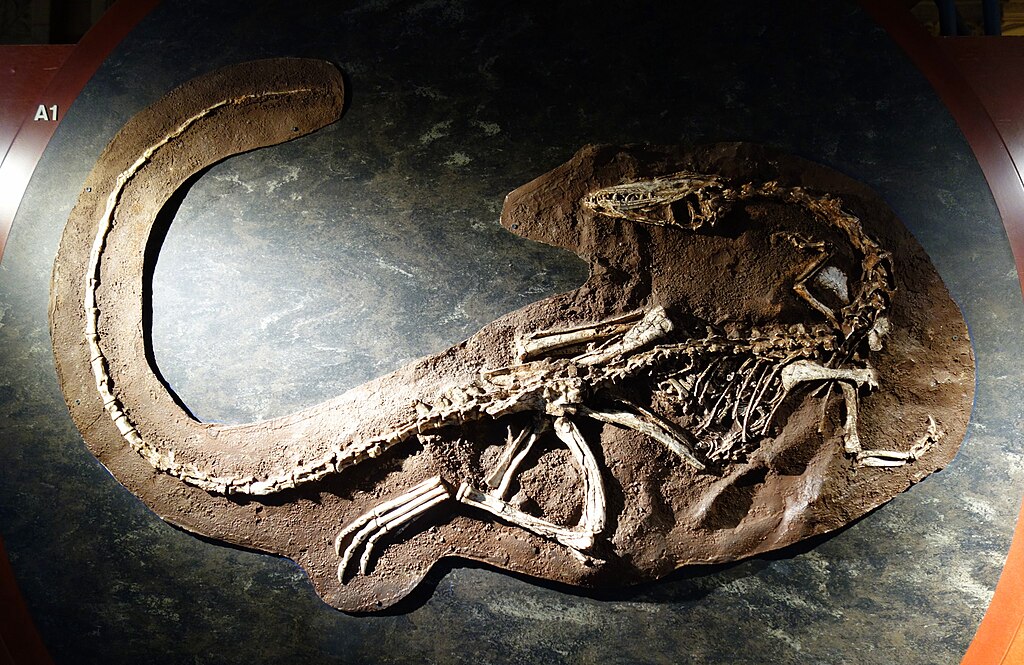
Coelophysis bouri cast, USA New Mexico, Ghost Ranch

8 Journalists Who Make Fossil Science Come Alive for the Public

Paleontology, the study of prehistoric life through fossils, can seem distant and inaccessible to many. Yet a dedicated group of science journalists has mastered the art of translating complex fossil discoveries into compelling narratives that capture the public imagination. These skilled communicators bridge the gap between laboratory findings and public understanding, transforming ancient bones into ...
Persistent Problem of Shrink-Wrapped Dinosaurs

Could the Smallest Dinosaurs of the Jurassic Have Been Nocturnal

The Jurassic period, spanning from approximately 201 to 145 million years ago, hosted an incredible diversity of dinosaur species ranging from massive sauropods to diminutive creatures the size of modern birds. While paleontologists have made remarkable strides in understanding dinosaur anatomy, behavior, and ecosystems, certain aspects of their daily lives remain shrouded in mystery. One ...

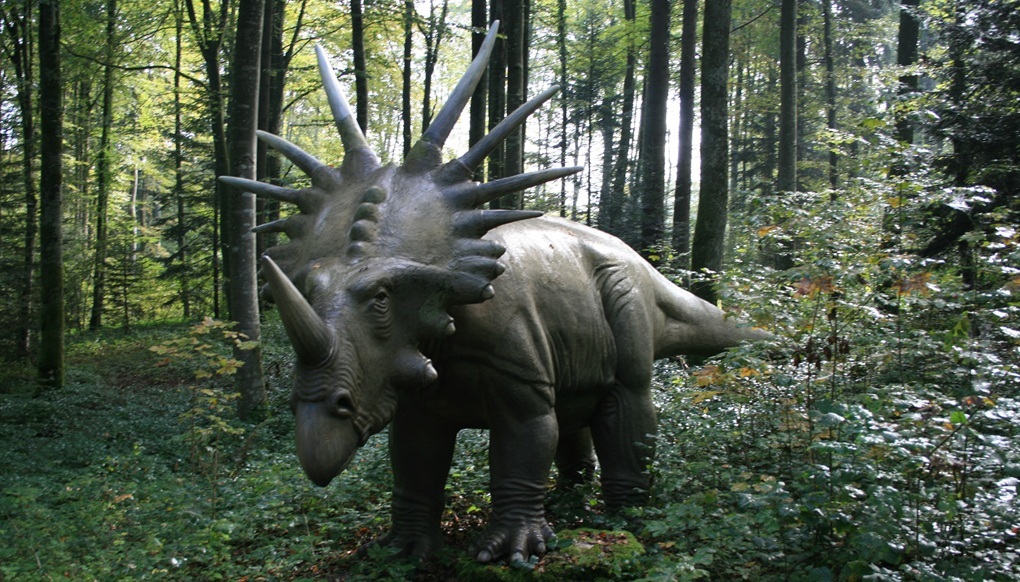
Styracosaurus Dinosaur

What If Dinosaurs Had Kept Evolving After the Asteroid

Approximately 66 million years ago, a catastrophic asteroid impact in the Yucatán Peninsula triggered the Cretaceous-Paleogene extinction event, wiping out approximately 75% of all species on Earth, including the non-avian dinosaurs that had dominated terrestrial ecosystems for over 160 million years. This cataclysmic event dramatically altered Earth’s evolutionary trajectory, creating ecological vacancies that mammals eventually ...

Cold-Adapted Dinosaurs

What Dinosaurs May Have Looked Like in Polar Regions

The popular image of dinosaurs often places them in lush tropical environments or arid deserts, but evidence shows many dinosaur species thrived in polar regions during the Mesozoic Era. Despite these regions experiencing months of darkness and significantly cooler temperatures than equatorial zones, dinosaurs adapted remarkably well to these challenging conditions. Recent paleontological discoveries in ...

Potentially Semi-Aquatic Dinosaurs

What Dinosaurs Were the Pickiest Eaters

When we imagine dinosaurs, we often picture them as voracious eaters, consuming anything in their path. However, paleontological evidence suggests that many dinosaur species had highly specialized diets, making them surprisingly picky eaters by today’s standards. These dietary specializations were crucial evolutionary adaptations that allowed dinosaurs to occupy specific ecological niches and reduce competition for ...

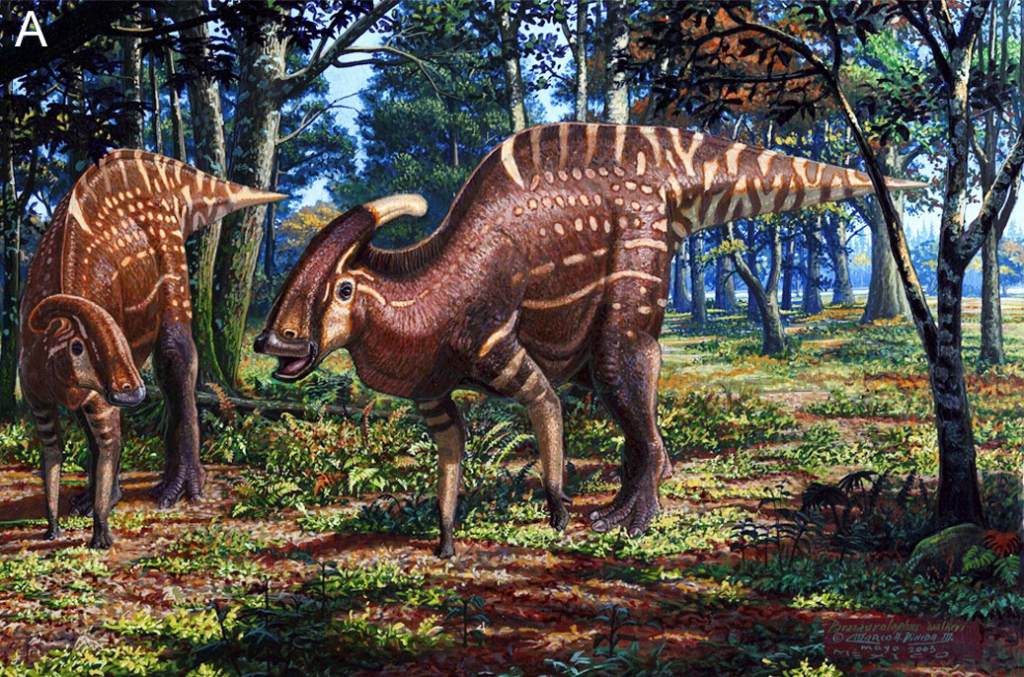
Two Parasaurolophus dinosaurs roam a sunlit forest, their patterned skin blending with the foliage. The scene conveys a sense of prehistoric tranquility.

A Fossil With Impossibly Preserved Skin Texture

The world of paleontology occasionally presents discoveries that challenge our understanding of fossilization processes and how organic material can be preserved over millions of years. Among these remarkable finds are fossils with preserved skin texture—specimens that offer an extraordinary glimpse into the past with details previously thought impossible to survive the ravages of time. These ...

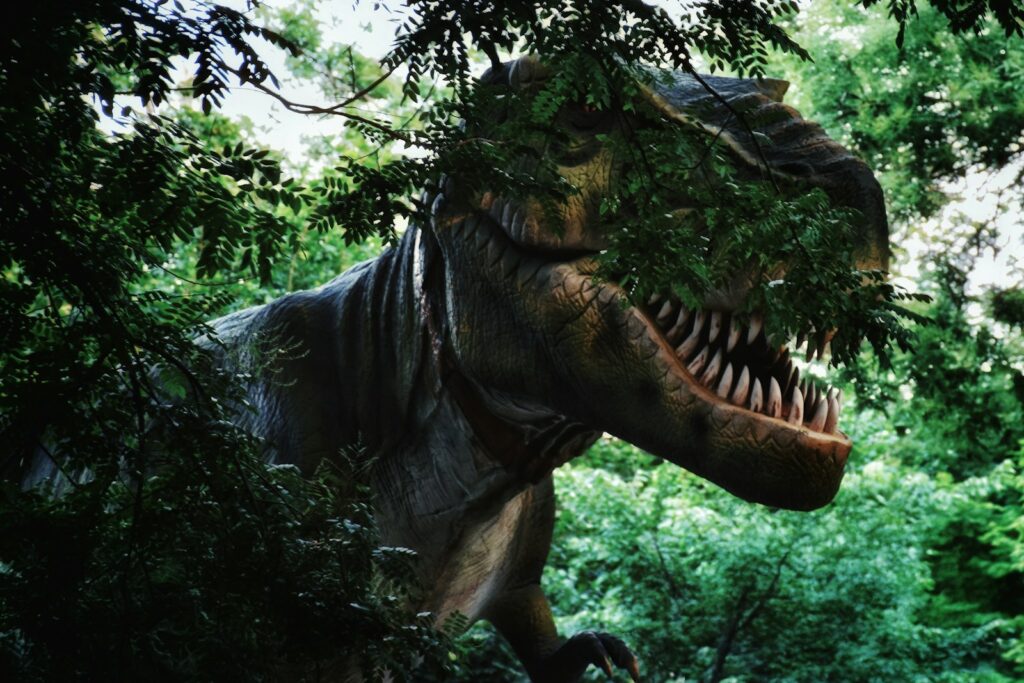
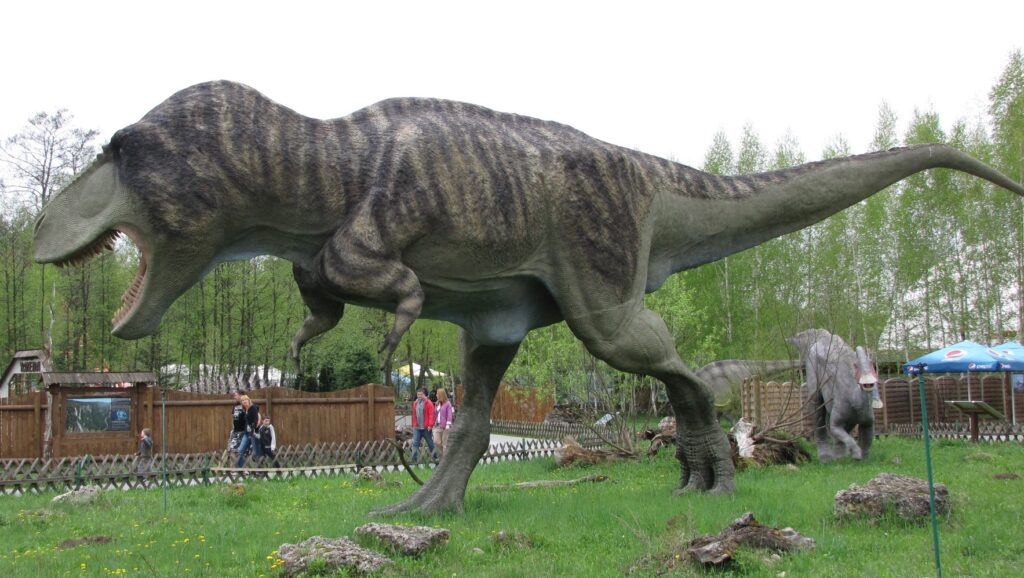
A tyrannosaurus rex lurks within lush foliage

How Much Would a Stegosaurus Eat Compared to an Elephant

The dietary requirements of extinct dinosaurs compared to modern megafauna present a fascinating study in evolutionary biology and ecological adaptation. Stegosaurus, with its distinctive plates and spikes, roamed Earth during the Late Jurassic period approximately 150 million years ago, while today’s elephants represent some of the largest land animals in our modern ecosystem. Understanding the ...

The Rise of Dinosaur Commerce

Should Fossils Be in Museums or on Auction Blocks

The discovery of a Tyrannosaurus rex skeleton named “Stan” made headlines in 2020 when it sold for a record-breaking $31.8 million at auction, igniting intense debate within the scientific community and beyond. This astronomical price tag highlighted a growing tension between private fossil collectors and public institutions like museums. The question of whether ancient remains ...

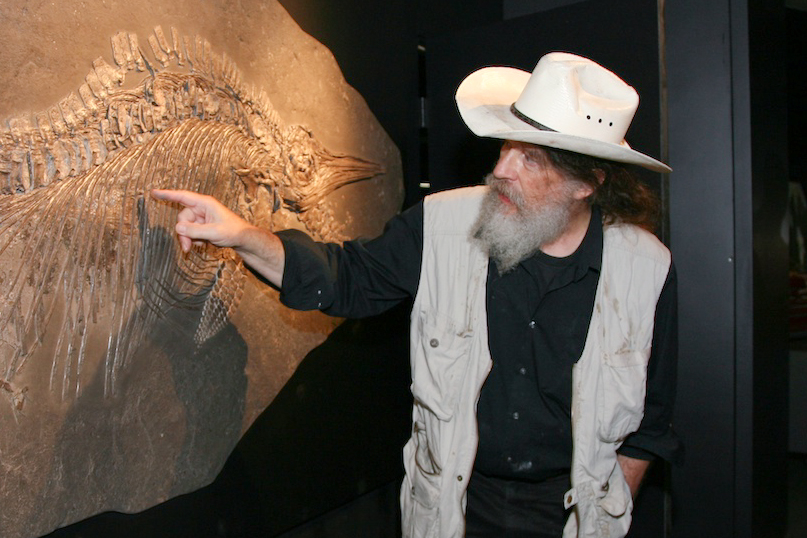
Robert T. Bakker

What Fossils Don’t Tell Us And How Scientists Fill in the Gaps

The fossilized remains of ancient organisms provide us with invaluable windows into Earth’s distant past. These prehistoric snapshots help scientists reconstruct extinct species, ancient ecosystems, and evolutionary relationships that shaped life as we know it today. However, despite their tremendous value, fossils represent an incomplete record of past life. For every preserved bone, shell, or ...

open book lot

10 Stunning Dinosaur Articles That Got It Right And the Writers Behind Them

The world of paleontology moves quickly, with new discoveries constantly reshaping our understanding of prehistoric life. While dinosaur science often struggles with accurate representation in popular media, certain journalists and science writers have produced exceptional work that balances scientific accuracy with engaging storytelling. These writers not only get the facts right but also capture the ...