Blog

Sameen David

As wildlife trade expands, so do pathways for disease spillover to humans

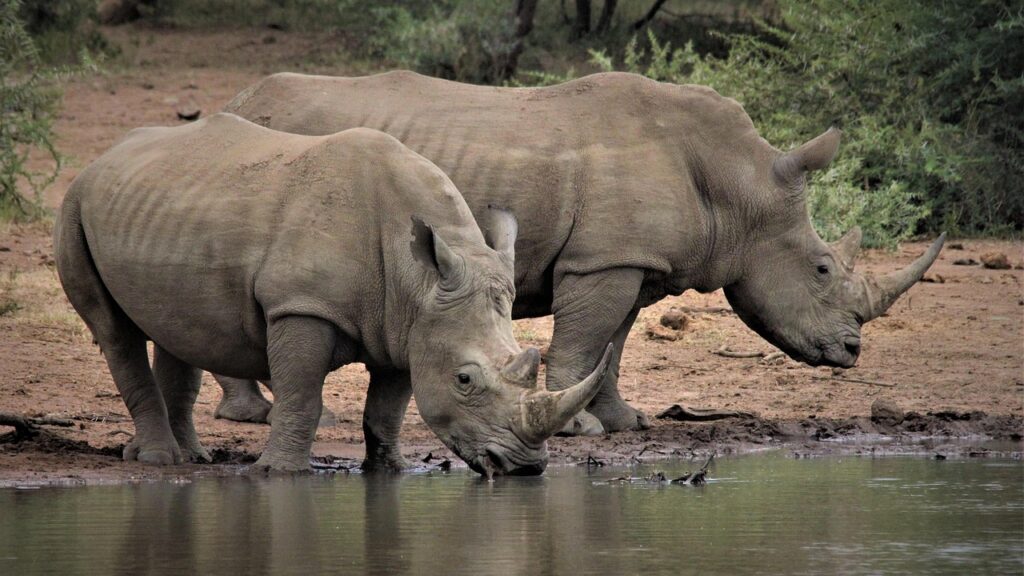
Wildlife Trade Surge Creates More Avenues for Animal Diseases to Infect Humans

As wildlife trade expands, so do pathways for disease spillover to humans – Image for illustrative purposes only (Image credits: Pixabay) Rescued chimpanzees in Sierra Leone receive care after confiscation from illegal pet traders, highlighting the intimate contacts that fuel disease risks. Scientists have tracked how global commerce in wild mammals has expanded over decades, ...

9 Ways Your Zodiac Sign Influences Your Confidence

9 Ways Your Zodiac Sign Influences Your Confidence

You know those days when you walk into a room and everything just clicks? You say the right things, you stand a little taller, and you feel almost untouchable. Then there are days when you second-guess every word, overthink every glance, and wish you could disappear into the wallpaper. While a lot of that comes ...

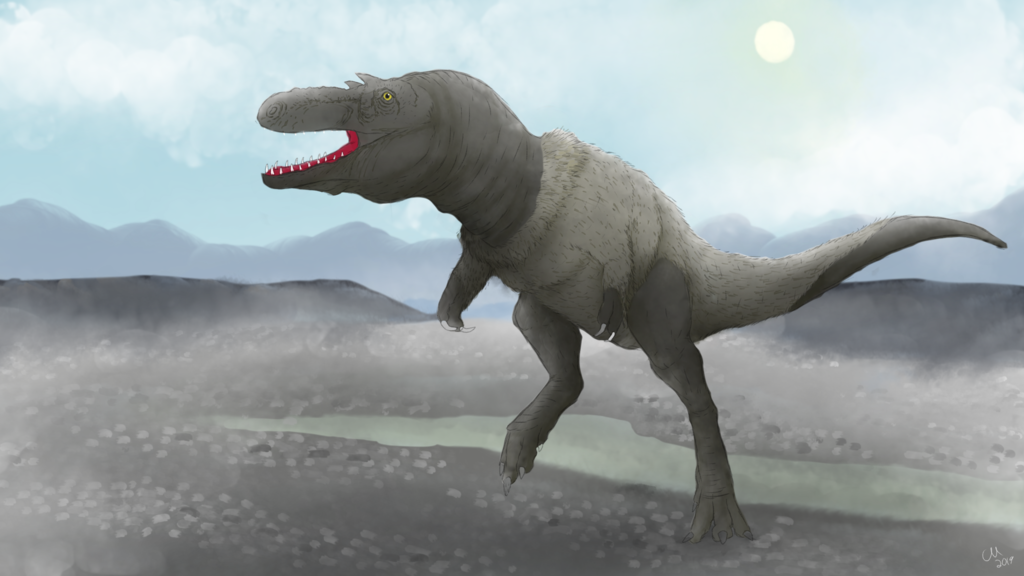
Gorgosaurus chasing Corythosaurus

Why Dinosaurs Thrived in the Hot, Humid Cretaceous

The Cretaceous period, spanning from 145 to 66 million years ago, represented the final chapter in the Age of Dinosaurs—a time when these magnificent creatures reached their evolutionary peak in both diversity and specialization. While dinosaurs had already dominated Earth for over 100 million years by this point, the Cretaceous offered a unique combination of ...

A reconstruction of Moros intrepidus walking through a floodplain.

Dr. Lindsay Zanno and the Hunt for New Cretaceous Predators

The Cretaceous Period, spanning approximately 145 to 66 million years ago, remains one of the most fascinating chapters in Earth’s prehistoric narrative. Within this ancient world roamed some of the most fearsome predators ever to walk the planet. Dr. Lindsay Zanno, a renowned paleontologist and head of paleontology at the North Carolina Museum of Natural ...

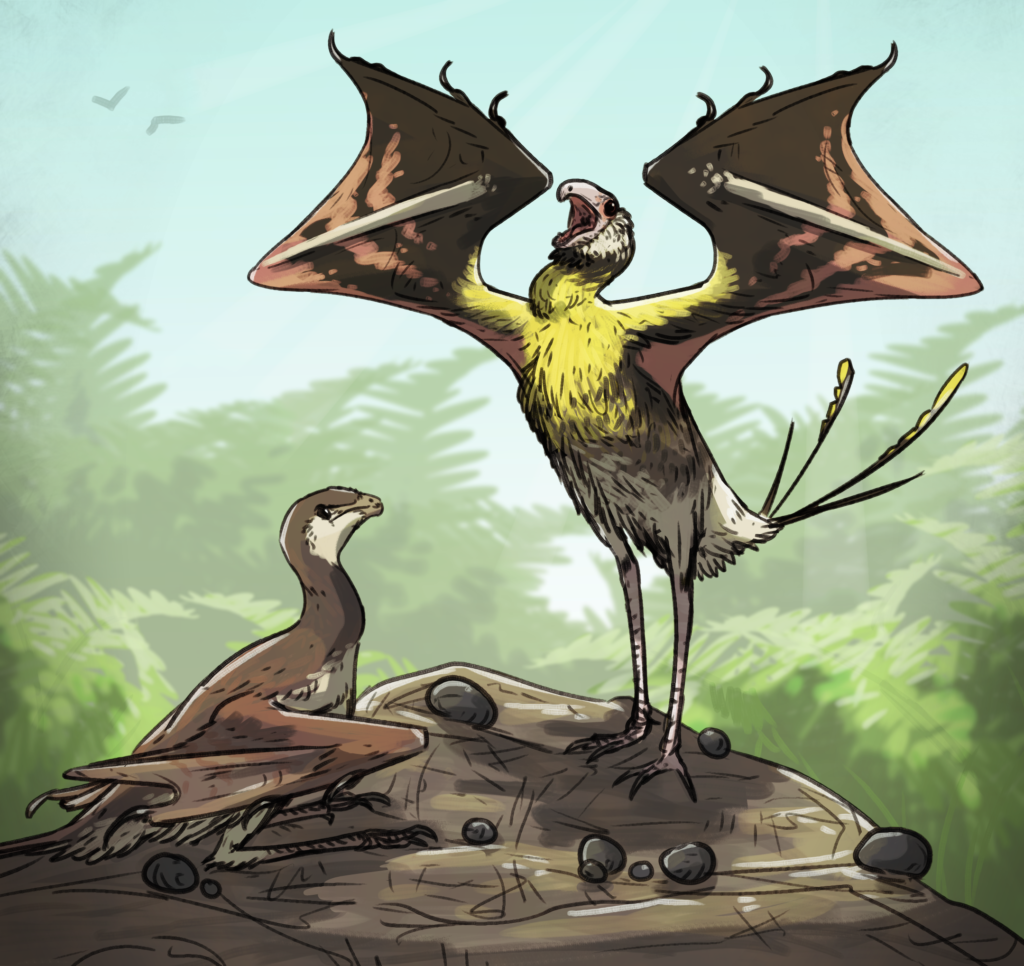
Two bird-like dinosaurs on a rock

Could Dinosaurs Have Evolved Gliding or Soaring Abilities Like Bats?

In the vast tapestry of Earth’s prehistoric life, few creatures capture our imagination like dinosaurs. For over 165 million years, these remarkable animals dominated terrestrial ecosystems, evolving into countless forms that occupied virtually every ecological niche. While we’re familiar with the terrestrial giants and the pterosaurs that conquered the skies, a fascinating evolutionary question emerges: ...