Articles for category: Fossils & Fieldwork

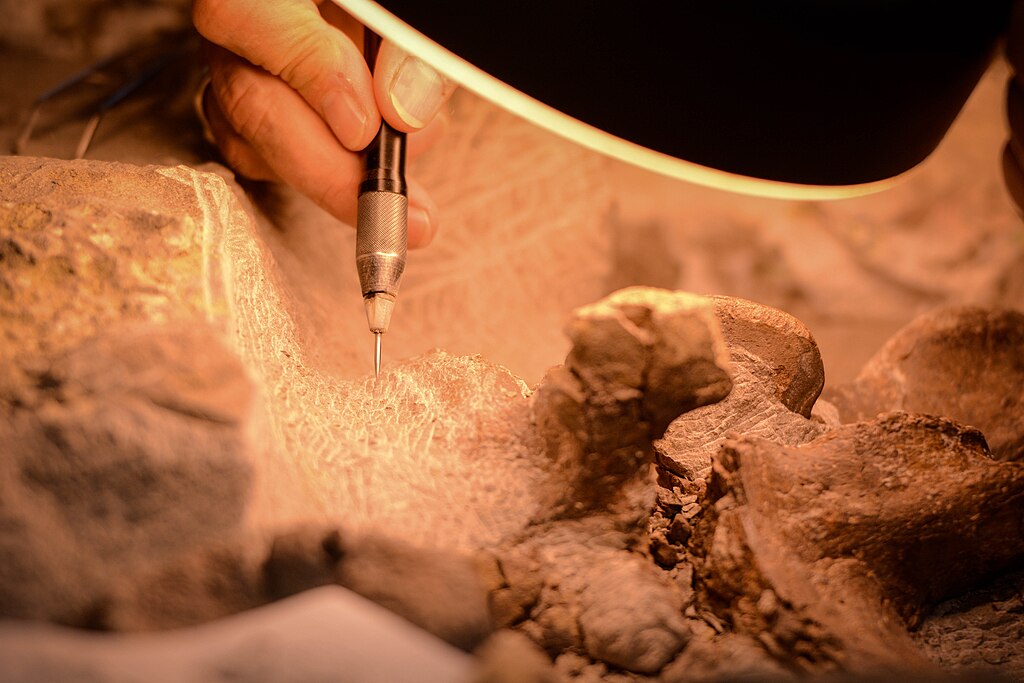
A BLM volunteer uses a compressed air tool called an air scribe, which operates like a miniature jackhammer, to chip through the hard rock matrix that covers the fossil.

When Paleontologists Argued Over the Shape of a Single Bone

Picture this: the world’s most brilliant scientists locked in heated debates, their reputations on the line, all because of one mysterious bone fragment. What sounds like a scene from an academic thriller actually happened multiple times throughout paleontology’s colorful history. These weren’t just polite disagreements over coffee – these were full-blown scientific wars that sometimes ...

Dinosaur skeleton on display against a black background. The fossil features a prominent skull with sharp teeth and a curved spine, highlighting its ancient origin.

Why Dinosaurs Became the Most Famous Fossils in the World

Imagine walking through a museum and witnessing a child’s face light up with pure wonder as they stand before a towering Tyrannosaurus rex skeleton. Their eyes grow wide, their mouth drops open, and suddenly they’re transported to a world millions of years ago where giants ruled the Earth. This magical moment happens thousands of times ...

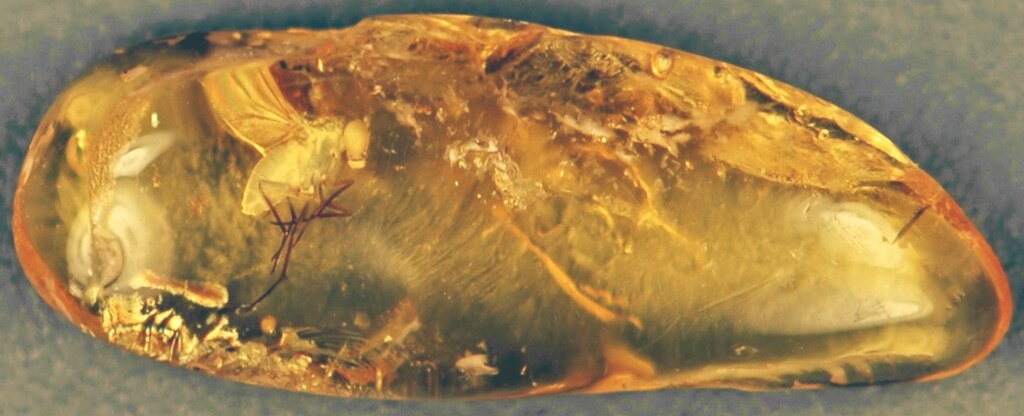
Fly in amber (Amber Formation, Middle Eocene; Yantarnyi, Samland Peninsula along the Baltic Sea, far-western Russia)

7 Unusual Ways a Fossil Can Form (That Aren’t Just Bones Turning to Stone)

When most people think of fossils, they imagine dinosaur bones preserved in stone. While this type of preservation—known as permineralization—is indeed common, the world of fossilization is far more diverse and fascinating than many realize. Fossils can form through numerous processes, many of which preserve not just bones but soft tissues, behaviors, and even microscopic ...

Could Some Dinosaurs Swim? A Canadian Claw Discovery Reignites the Debate

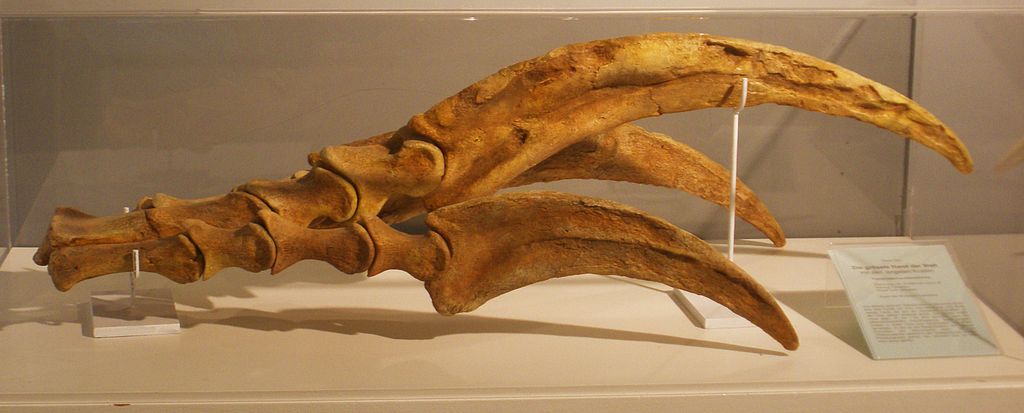
The prehistoric world continues to reveal its secrets through fossil discoveries that challenge our understanding of dinosaur behavior and capabilities. One of the most intriguing questions paleontologists have debated for decades is whether dinosaurs—traditionally viewed as terrestrial creatures—had the ability to swim. Recently, a remarkable claw fossil discovered in Canada has reignited this discussion, providing ...

The Fossil That Still Smelled: Rare Preservation and Organic Traces

The Fossil That Still Smelled: Rare Preservation and Organic Traces

Picture this: you’re standing in a paleontology lab, handling a fossil that’s millions of years old, when suddenly your nose catches an unexpected scent. Not the dusty smell of old rocks, but something organic, something that shouldn’t exist after eons of burial. This isn’t science fiction – it’s the incredible reality of exceptionally preserved fossils ...