Articles for category: Fossils & Fieldwork

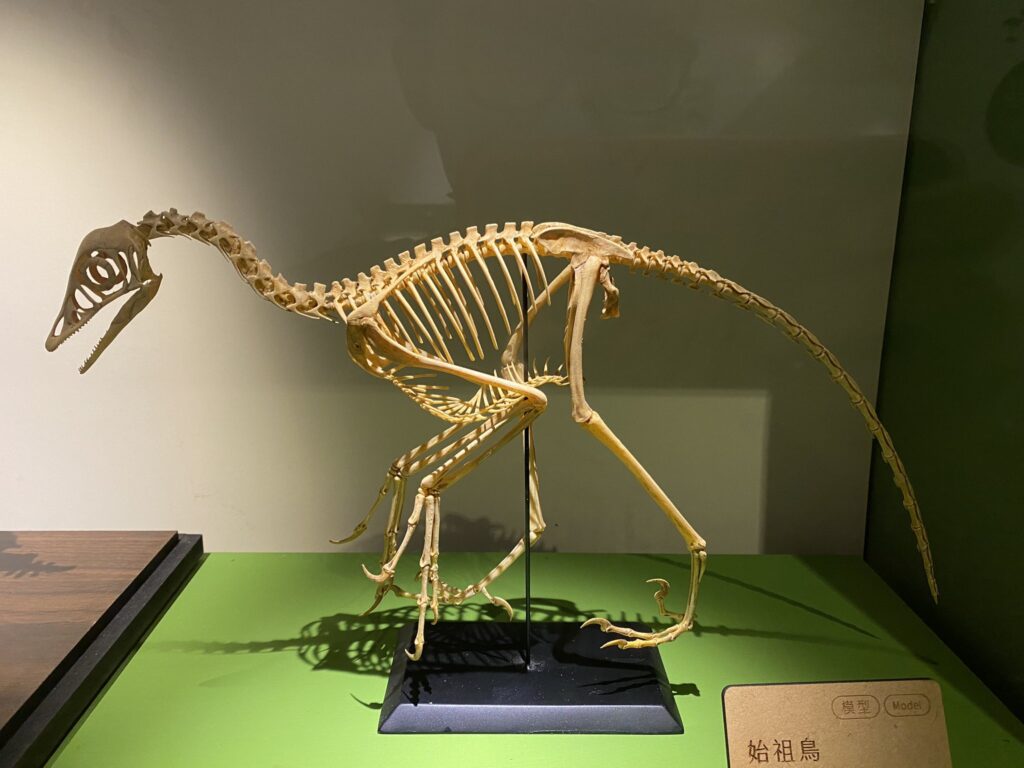
Skeleton of a prehistoric bird with elongated neck and beak displayed against a textured wall, conveying a sense of ancient elegance and mystery.

Fossils That Were Initially Misidentified (And What They Really Were)

The history of paleontology is filled with fascinating stories of discovery, interpretation, and reinterpretation. Scientists working with incomplete specimens and limited knowledge of prehistoric life have occasionally drawn conclusions that later proved incorrect. These misidentifications aren’t simply embarrassing errors—they represent the scientific method in action, as new evidence leads to a revised understanding. From dinosaur ...

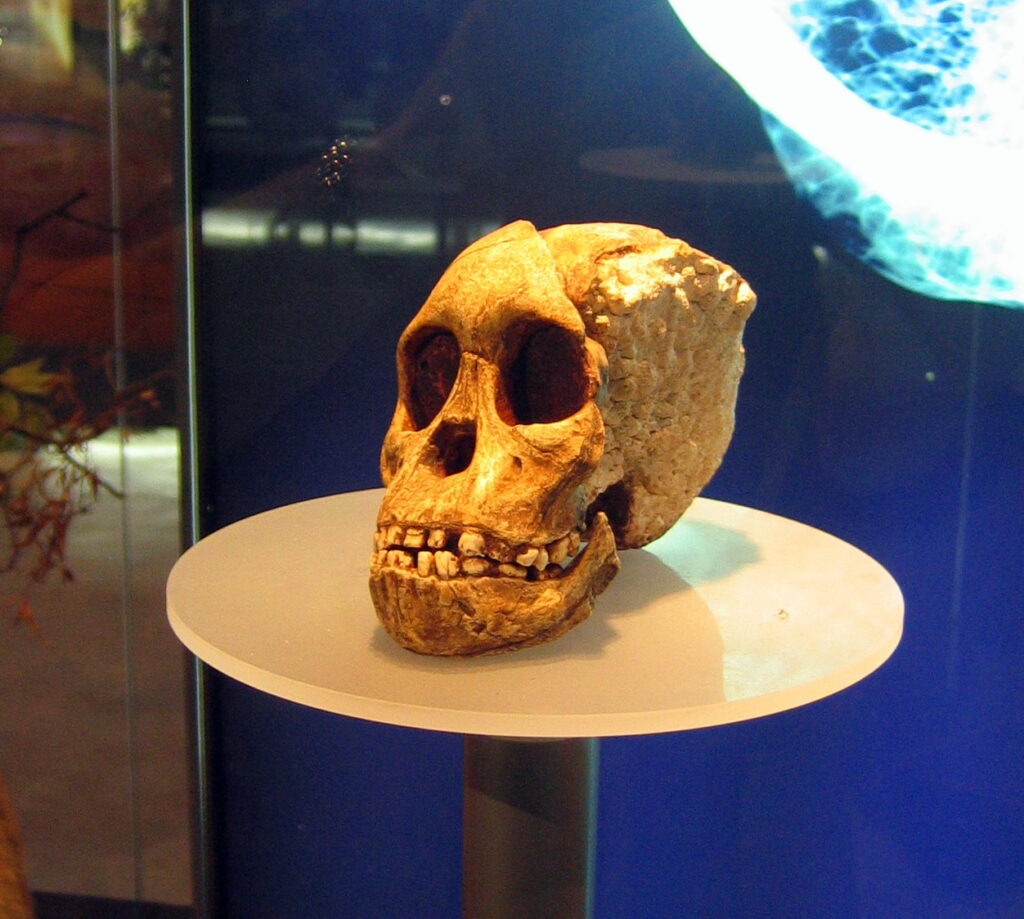
Homo floresiensis cave

Could Fossils Be Preserved in Places We Least Expect — Like Caves?

Fossils, the preserved remains or traces of ancient organisms, have traditionally been associated with sedimentary rock formations exposed at the Earth’s surface. Paleontologists typically search for these prehistoric treasures on eroded hillsides, cliff faces, and in quarries. However, the scientific community is increasingly recognizing that fossil preservation occurs in unexpected environments that challenge conventional understanding. ...

Elmer Riggs, the first curator of Fossil Mammals wearing cap and field laboratory assistant Harold W. Menke preparing Grand Junction Colorado fossils including the Brachiosaurus altithorax femur still in plaster jacket at left, Paleontology Laboratory, Field Columbian Museum, Geology specimen, December 1, 1894.

5 Lab Technicians and Fossil Preparators Who Deserve More Credit

While paleontologists and researchers often receive the spotlight for groundbreaking fossil discoveries, the meticulous work of laboratory technicians and fossil preparators remains largely in the shadows. These skilled professionals transform raw field specimens into scientifically valuable artifacts through painstaking preparation, preservation, and documentation. Their expertise combines artistry with scientific precision, yet their names rarely appear ...

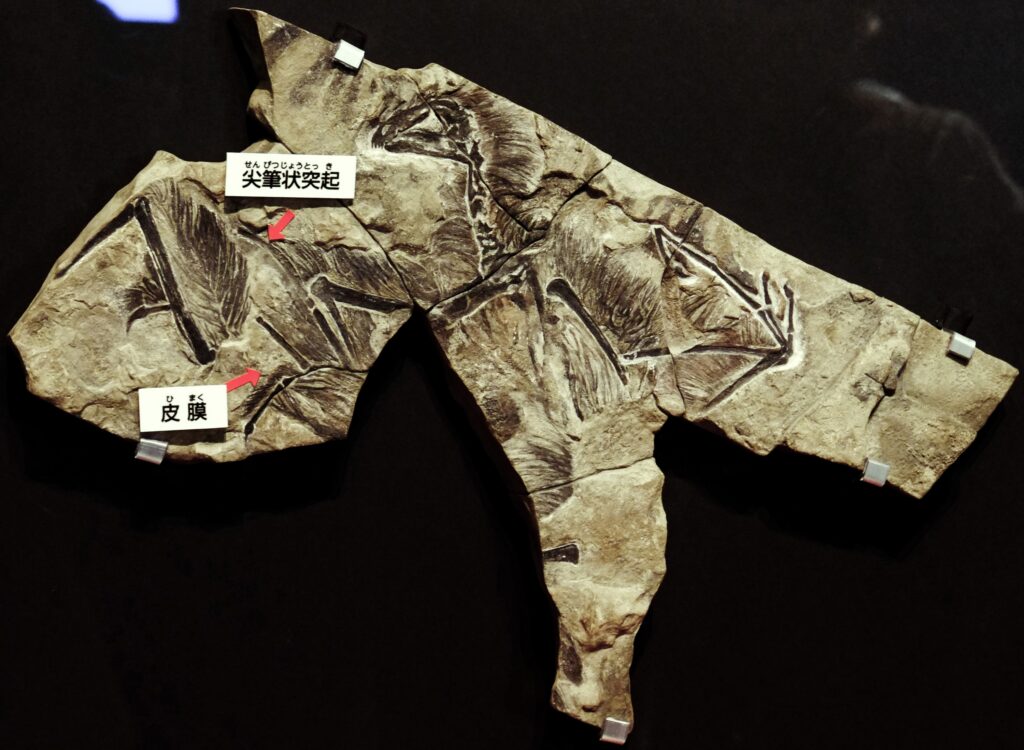
New Fossil Discoveries Are Changing Everything We Knew About Dinosaur Evolution

New Fossil Discoveries Are Changing Everything We Knew About Dinosaur Evolution

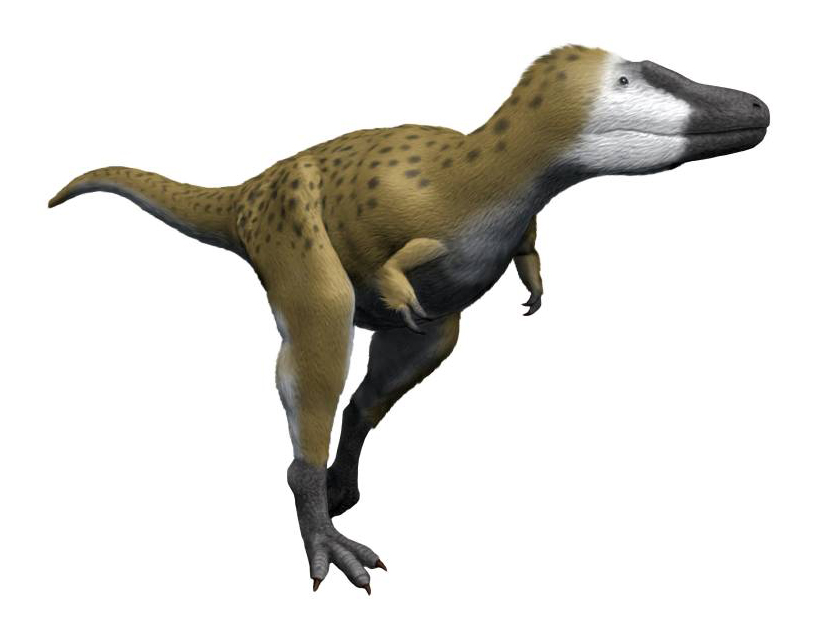
You’ve probably grown up picturing dinosaurs as lumbering, scaly reptiles roaming swampy landscapes. Think about those classic museum displays or old textbooks. Maybe you imagined a grey, lizard-like T. rex with its tiny arms or a Triceratops with rough, bumpy skin. Here’s the thing though. Scientists have just unearthed a treasure trove of fossils that ...

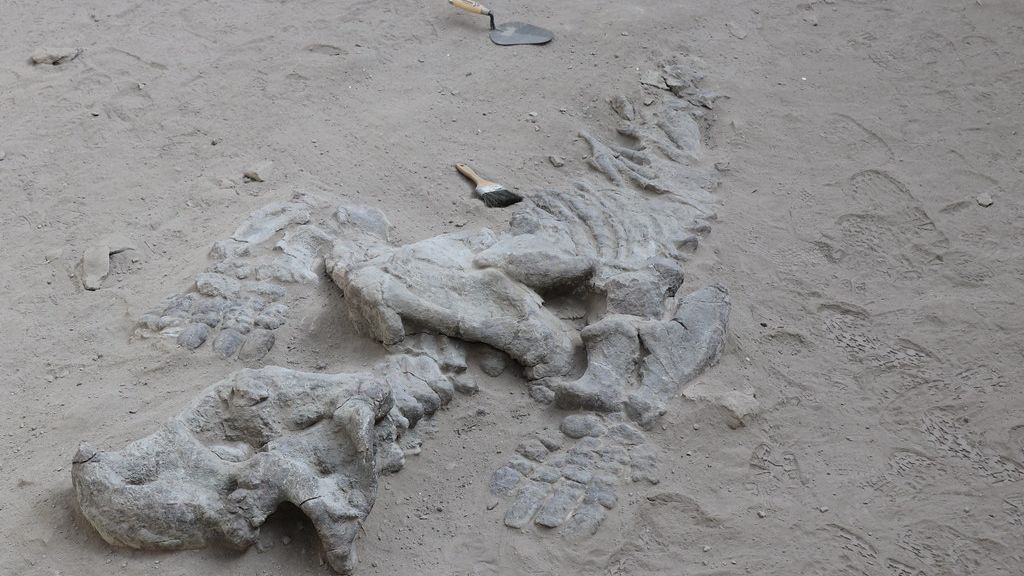
Waco mammoth site

How Erosion and Climate Change Are Exposing Hidden Fossils

The Earth constantly reveals its secrets as natural processes reshape its surface. In recent years, the twin forces of erosion and climate change have been working in tandem to uncover paleontological treasures that have remained hidden for millions of years. While these processes threaten countless ecosystems and human settlements, they paradoxically offer scientists unprecedented access ...

FossiLab at Smithsonian National Museum of Natural History

The Secret Life of Fossil Prep Labs: How Mistakes Are Avoided

From dusty field discoveries to museum pedestals, fossils undergo a remarkable transformation journey—one largely hidden from public view. Behind the scenes, fossil preparation laboratories operate as the critical bridge between excavation and exhibition. These specialized workspaces combine elements of science, art, and craftsmanship, where technicians meticulously free ancient remains from their rocky prisons. This delicate ...