Articles for category: Fossils & Fieldwork

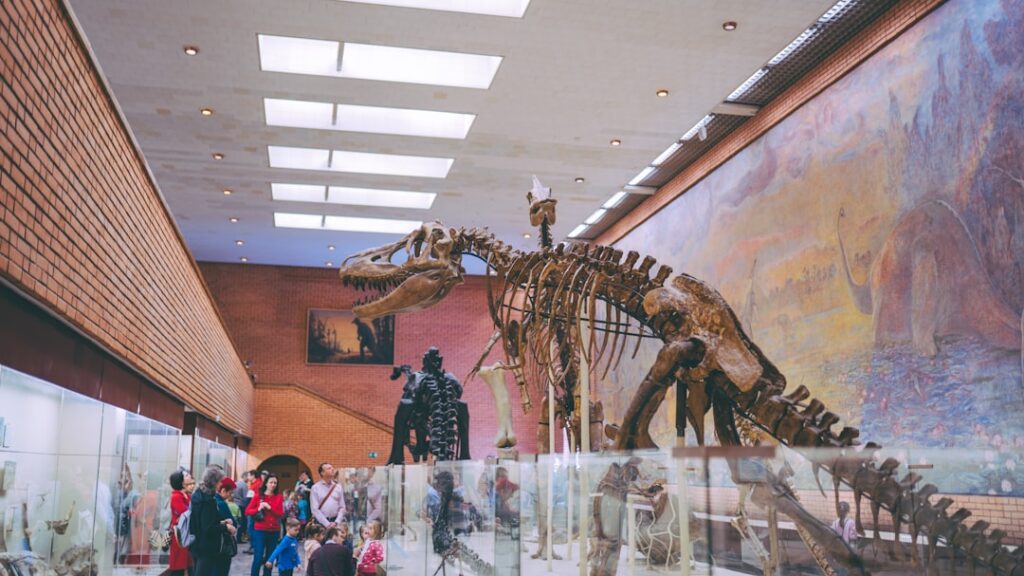
"Sue" the Tyrannosaurus rex in its new suite in the Evolving Planet exhibit hall at the Field Museum of Natural History, Chicago, Illinois, United States

What Fossilized Ankles Tell Us About Dinosaur Evolution

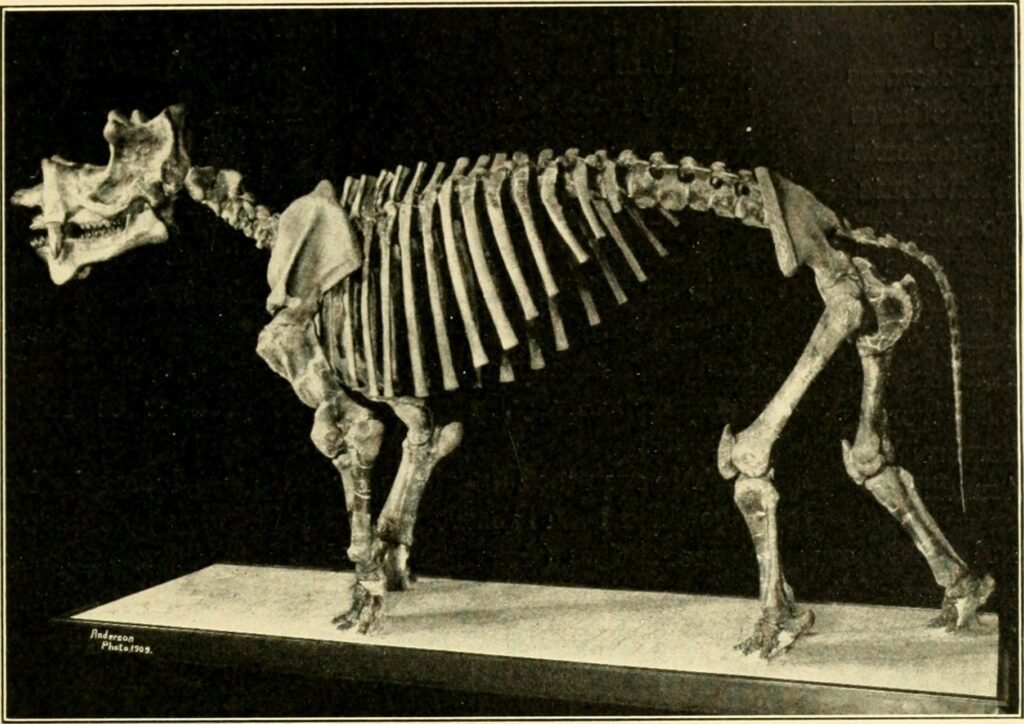
Deep within the earth, preserved in stone for millions of years, dinosaur fossils have been quietly holding the secrets of an ancient world. While teeth, skulls, and towering leg bones often capture our imagination, some of the most revealing evidence about dinosaur evolution comes from a surprisingly humble source: ankle bones. These small skeletal components ...

Fossil Dinosaur Eggs

Are Fossilized Eggs Proof of Complex Dinosaur Parenting?

For centuries, paleontologists have unearthed the remains of dinosaurs, piecing together their physical characteristics and behaviors from bones, tracks, and other preserved evidence. Among these fascinating discoveries, fossilized dinosaur eggs stand out as particularly significant finds, potentially offering rare glimpses into the reproductive behaviors and parenting strategies of these ancient creatures. As scientists continue to ...

Tiny Bump on 7 Million-Year-Old Fossil Suggests Ancient Ape Walked Upright - and Might Even Be a Human Ancestor

Tiny Bump on 7 Million-Year-Old Fossil Suggests Ancient Ape Walked Upright – and Might Even Be a Human Ancestor

Picture an ancient ape clambering through trees in Chad seven million years ago, looking much like a chimpanzee with a small brain to match. Now imagine that same creature stepping down onto the ground and confidently walking upright on two legs. It’s hard to believe, right? Yet a barely visible bump on a fossilized thigh ...

T-rex Sue

Why Some Scientists Refuse to Study Privately Owned Fossils

Paleontology sits at a fascinating intersection of science, commerce, and heritage preservation. While dinosaur bones and ancient remains captivate public imagination and fetch millions at auctions, a significant portion of the scientific community deliberately avoids researching privately held specimens. This principled stance, though sometimes controversial, stems from deep ethical, scientific, and practical concerns. This article ...

How Studying Prehistoric Poop - Yes, Poop - Has Transformed What We Know About Ancient Diets

How Studying Prehistoric Poop – Yes, Poop – Has Transformed What We Know About Ancient Diets

There is something quietly rebellious about a scientist getting excited over a fossilized turd. While most of us picture ancient civilizations through gleaming temples, stone tools, and dramatic skeletons, the real secrets of everyday life are often locked inside the least glamorous remains of all: prehistoric poop. It sounds funny, a bit gross even, but ...

BLM Paleontologist Dr Greg McDonald

How Citizen Scientists and Hikers Are Helping Paleontologists Find Fossils

In the rugged outcrops of ancient rock formations and along weathered hiking trails, an unexpected partnership has been flourishing. Professional paleontologists, once working primarily within academic institutions, are now joining forces with everyday nature enthusiasts to uncover the secrets of Earth’s distant past. This collaboration between scientists and citizen volunteers represents a remarkable shift in ...

Fossil Studies Say Homo erectus Wasn't the First Human Species to Leave Africa 1.8 Million Years Ago

Fossil Studies Say Homo erectus Wasn’t the First Human Species to Leave Africa 1.8 Million Years Ago

For decades, you might have learned in school that Homo erectus proudly claimed the title of first human traveler beyond African shores. That neat narrative has been the bedrock of paleoanthropology classes worldwide. Everyone accepted it, taught it, repeated it. Yet a remarkable discovery in a small medieval village nestled in the Georgian hills is ...