Articles for category: Fossils & Fieldwork

T-rex Coprolite Dinosaur Poop Poozeum

What Fossilized Dino Poop Reveals About Prehistoric Ecosystems

In the fascinating world of paleontology, scientists have discovered that some of the most revealing fossils aren’t bones or teeth, but rather the preserved excrement of ancient creatures. These fossilized feces, scientifically known as coprolites, serve as time capsules from millions of years ago, providing unprecedented insights into prehistoric ecosystems. Dinosaur coprolites in particular have ...

T-rex Sue

Selling Fossils: Should Prehistoric Bones Be Auctioned to Private Collectors?

In the shadowy intersection of paleontology, commerce, and ethics lies a contentious debate that has divided scientists, collectors, and lawmakers for decades. Prehistoric fossils—the mineralized remains of ancient life forms that once roamed our planet—are increasingly finding their way to auction blocks and private collections rather than public museums. The recent sale of “Stan,” a ...

Australopithecus afarensis

Paleontology’s Real-Life Sherlocks: How Fossils Reveal Ancient Truths

Every fossil tells a story. Hidden within ancient bones, footprints, and even microscopic remains lies a wealth of information about Earth’s past. Like detectives at a crime scene, paleontologists piece together these fragmentary clues to reconstruct extinct organisms and vanished ecosystems. Their methodical work not only brings prehistoric creatures back to life in our imagination ...

The discovery of marine fossils alongside dinosaur remains illuminates the complex ecological connections that existed between terrestrial and marine environments during the Mesozoic Era.

Spinosaurus Had a Crocodile’s Tail—And That Changes Everything

The discovery that Spinosaurus possessed a crocodile-like tail has dramatically transformed our understanding of dinosaur evolution and behavior. In 2020, paleontologists unveiled fossil evidence showing that this massive predator had a unique paddle-shaped tail unlike any other known dinosaur. This revolutionary finding has forced scientists to reconsider not just how Spinosaurus moved and hunted, but ...

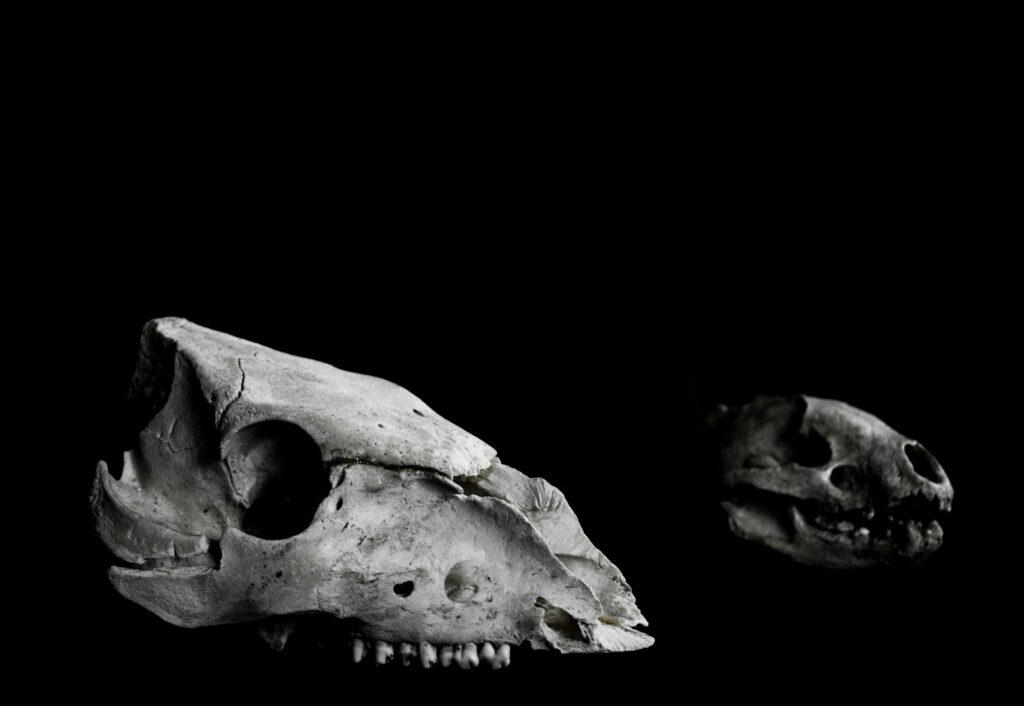
Fossilized dinosaur skull with sharp teeth and hollow eye sockets. The weathered gray bone highlights intricate jaw and cranial features against a beige background.

Fossil Hunters vs. Museums: Who Should Own Ancient Bones?

The discovery of a fossilized dinosaur bone protruding from sun-baked earth can trigger an intellectual tug-of-war between private fossil hunters and institutional museums. This contentious debate over who should rightfully own and control ancient fossils has intensified in recent decades as commercial fossil hunting has become more sophisticated and financially lucrative. At its core, this ...

Fossil of a small dinosaur with a long tail and bird-like legs, embedded in a beige rock surface. The fossil's pose and detail convey an ancient and delicate appearance.

What to Do If You Find a Fossil in Your Backyard

Discovering a fossil in your backyard can be an exciting and unexpected event that connects you directly with Earth’s ancient past. Whether you stumble upon what appears to be a petrified bone, a shell imprint, or something else entirely, you’ve potentially made a connection with creatures that lived millions of years ago. The discovery might ...

Dakota skin impression

The Texture of Dinosaur Skin: What Fossils Reveal About Scales and Wrinkles

For centuries, dinosaurs have captivated our imagination, appearing in countless books, movies, and museum displays. Yet until relatively recently, our understanding of their external appearance—particularly their skin—was largely speculative. Today, thanks to exceptional fossil discoveries and advanced scientific techniques, paleontologists can now paint a more accurate picture of dinosaur skin textures, patterns, and colors. These ...

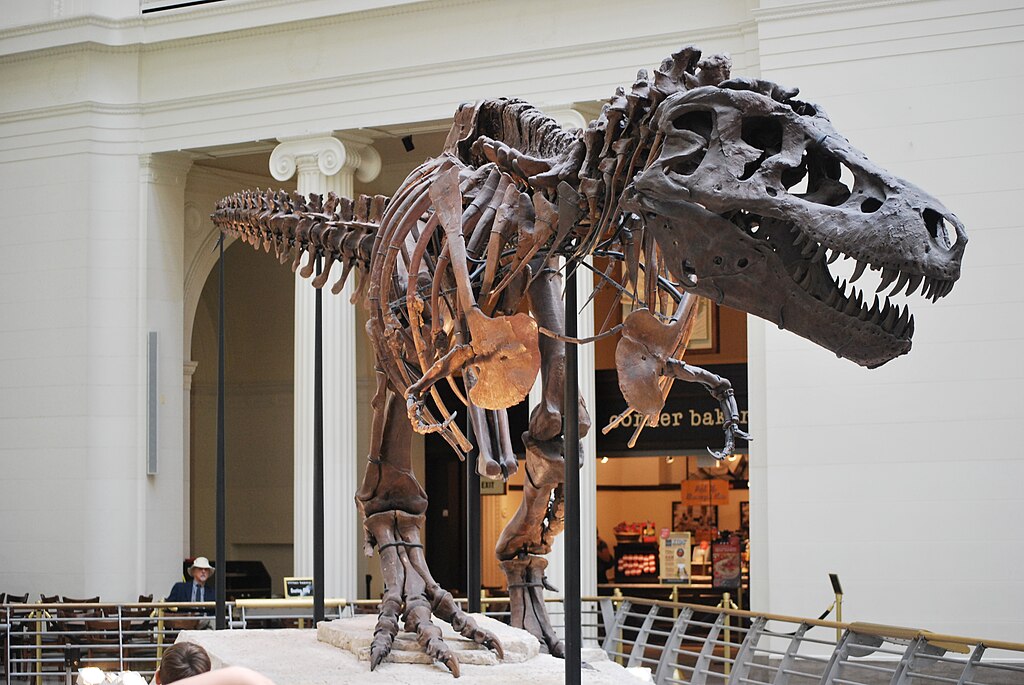
The image shows a towering T. rex skeleton in a museum. The open jaws and sharp teeth evoke a sense of awe and power. Soft lighting enhances its imposing presence.

This Dinosaur Bone Still Contained Blood Vessels—Here’s What That Means

In the world of paleontology, a groundbreaking discovery has challenged long-held beliefs about fossil preservation. Scientists examining a Tyrannosaurus rex femur unearthed in Montana found something extraordinary: soft tissue that had somehow survived for over 65 million years. This remarkable find included blood vessels, cells, and protein fragments that should have decomposed millennia ago. The ...