Articles for category: Prehistoric Discoveries

3 Places Scientists Have Found Ancient DNA—and What It Tells Us

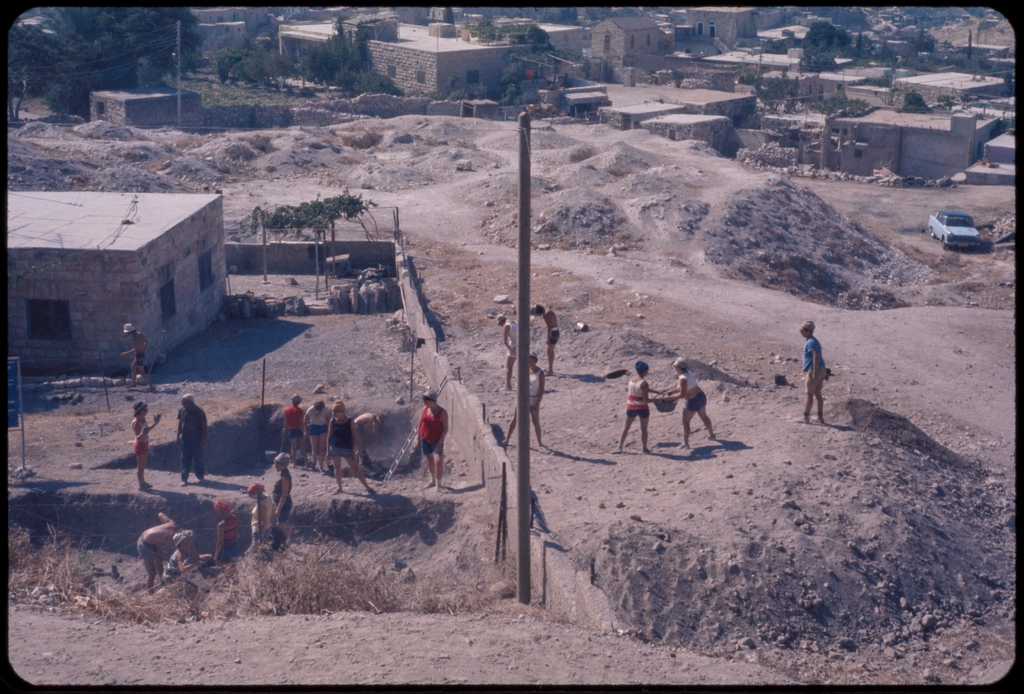
The microscopic threads of our past are hidden in the most unexpected places. While archaeologists have long relied on bones, pottery, and stone tools to piece together human history, a revolutionary field is rewriting textbooks using something far more fundamental: ancient DNA. This genetic archaeology is uncovering secrets that traditional methods could never reveal, from ...

Why Trilobites Had Crystal Eyes - Nature's First Engineers

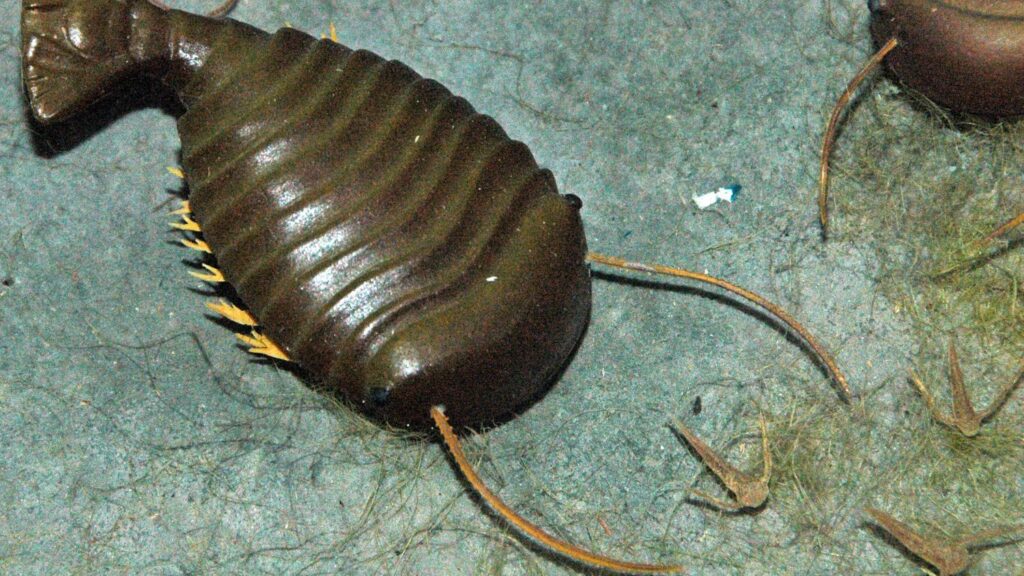
Why Trilobites Had Crystal Eyes – Nature’s First Engineers

Picture swimming through ancient oceans over half a billion years ago, and encountering creatures that possessed something truly extraordinary: eyes made of actual crystal. These weren’t just primitive light sensors, but sophisticated optical instruments that would put many modern designs to shame. The eyes belonged to an extinct group of animals called trilobites, and their ...

During the Jurassic, high sea levels flooded continents, forming vast shallow seas and reshaping coastlines across the globe.

Underwater Worlds: The Lost Continental Shelves of the Mesozoic

Beneath our modern oceans lie the submerged remnants of ancient worlds—vast continental shelves that once hosted diverse ecosystems during the Mesozoic Era (252-66 million years ago). These shallow marine environments, now hidden beneath hundreds of meters of water, were once thriving habitats where prehistoric creatures flourished in warm, sunlit waters. The story of these lost ...

Mosasaurus ichthyosaurus

Marine Reptiles vs. Ancient Sharks: Who Ruled the Waters?

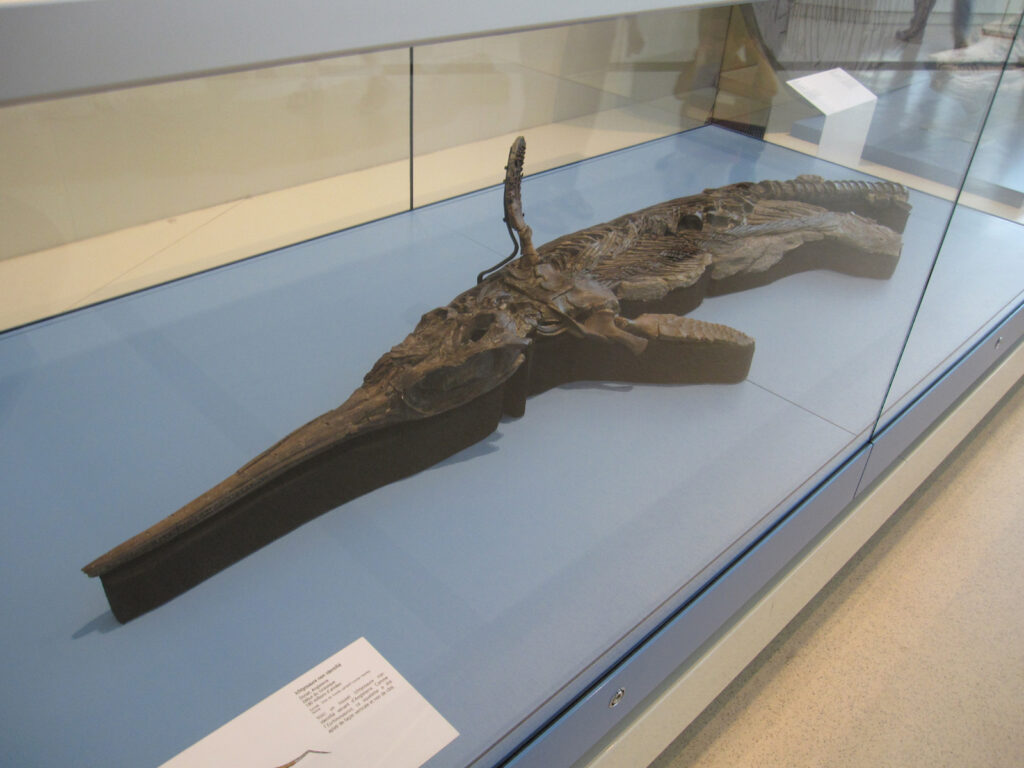
The prehistoric oceans were arenas of epic power struggles, dominated by creatures that would make today’s marine life seem tame by comparison. For over 250 million years, various apex predators vied for supremacy in Earth’s ancient seas. Two groups stand out in this underwater competition for dominance: the fearsome marine reptiles—like ichthyosaurs, plesiosaurs, and mosasaurs—and ...

area covered with green leafed plants

What Did Dinosaurs Really Eat? A Look at Ancient Plant Life

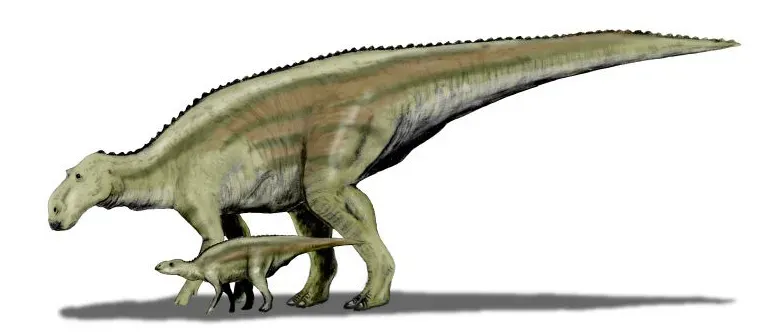
When we imagine dinosaurs, we often picture ferocious predators like Tyrannosaurus rex tearing into prey. However, the reality of dinosaur diets was far more diverse and fascinating. Approximately 65% of all dinosaur species were herbivores, consuming various types of prehistoric plants throughout the Mesozoic Era (252-66 million years ago). Understanding what plant-eating dinosaurs consumed requires ...

Crocodiles and alligators, alongside birds, are the closest living kin to dinosaurs.

How Crocodiles Became Living Fossils From the Age of Dinosaurs

While dinosaurs vanished from Earth 66 million years ago, their contemporaries—the crocodilians—continue to thrive in modern ecosystems. These remarkable reptiles have maintained their basic body plan for over 200 million years, earning them the title of “living fossils.” The story of how crocodiles survived multiple mass extinctions while dinosaurs perished is a fascinating tale of ...

Reconstruction of ammonoids

Why Ammonites Were the True Kings of the Prehistoric Oceans

When we think of ancient marine predators, our minds often leap to massive creatures like megalodon or mosasaurs. However, for over 300 million years, a different group of organisms dominated the prehistoric seas – the ammonites. These cephalopods, with their distinctive spiral shells and remarkable adaptations, weren’t just passive inhabitants of ancient oceans but rather ...