Articles for category: Prehistoric SeaWorld

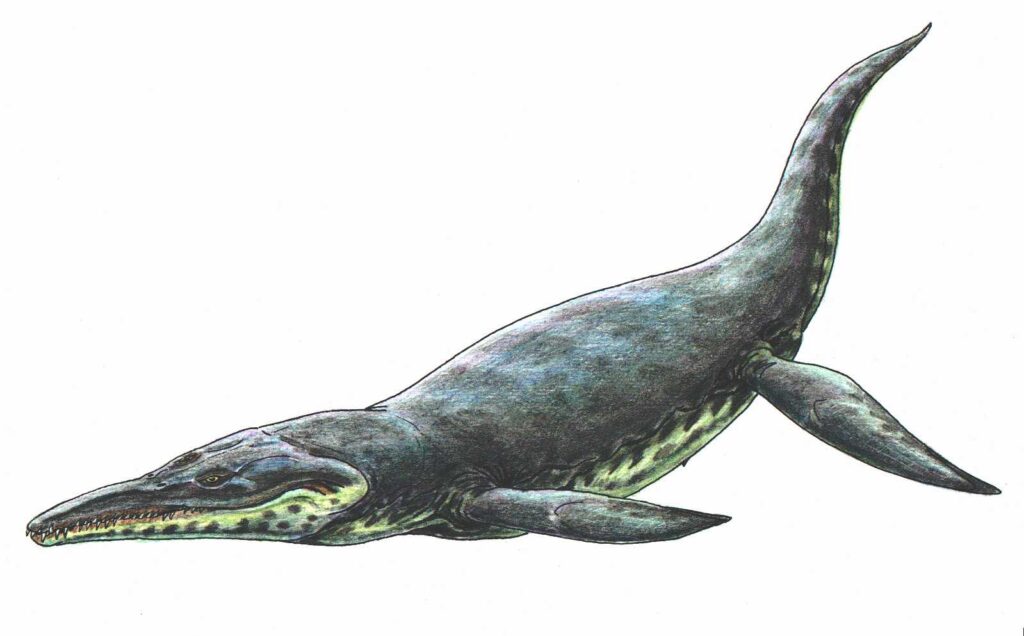
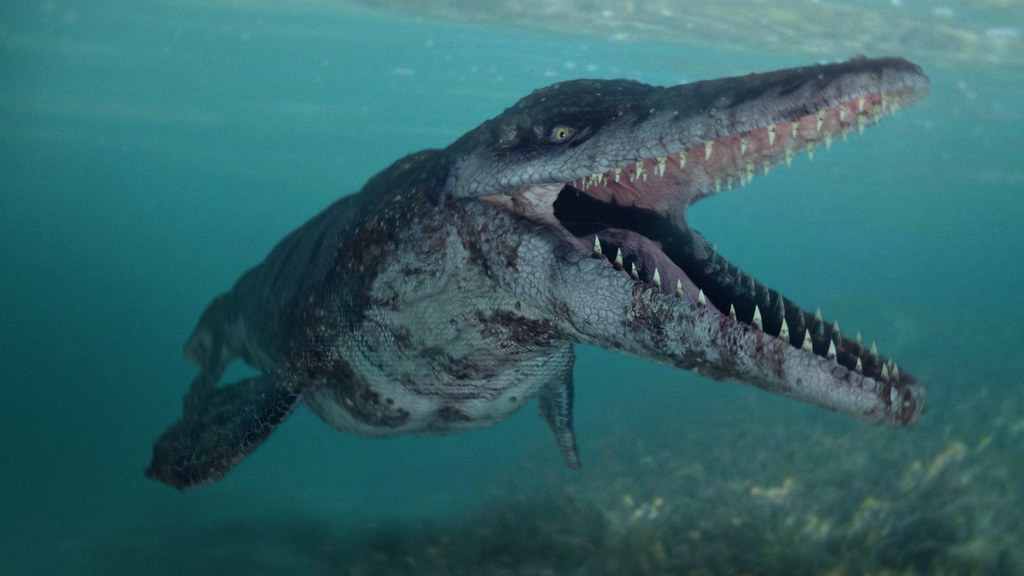
Mosasaurus ichthyosaurus

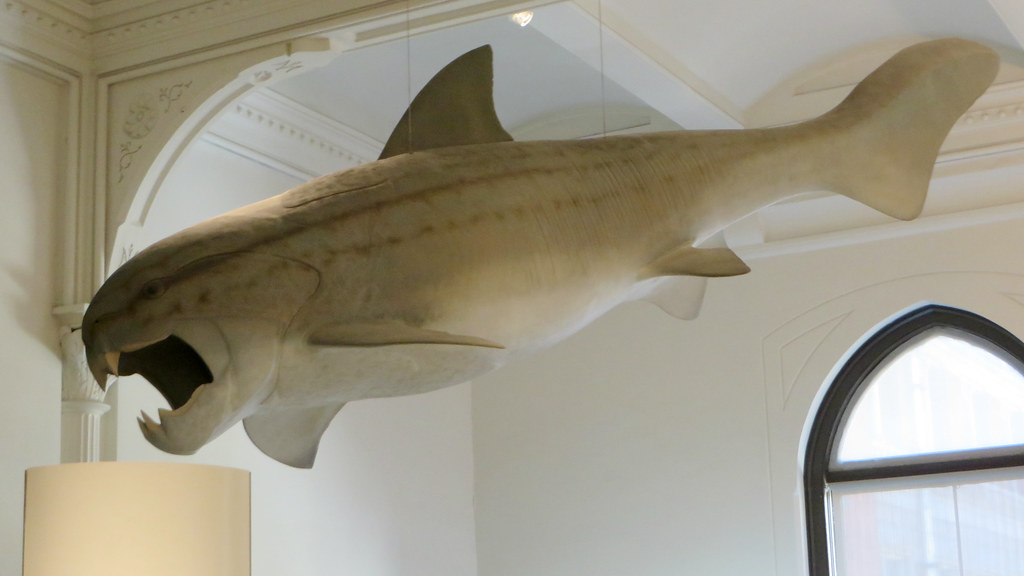
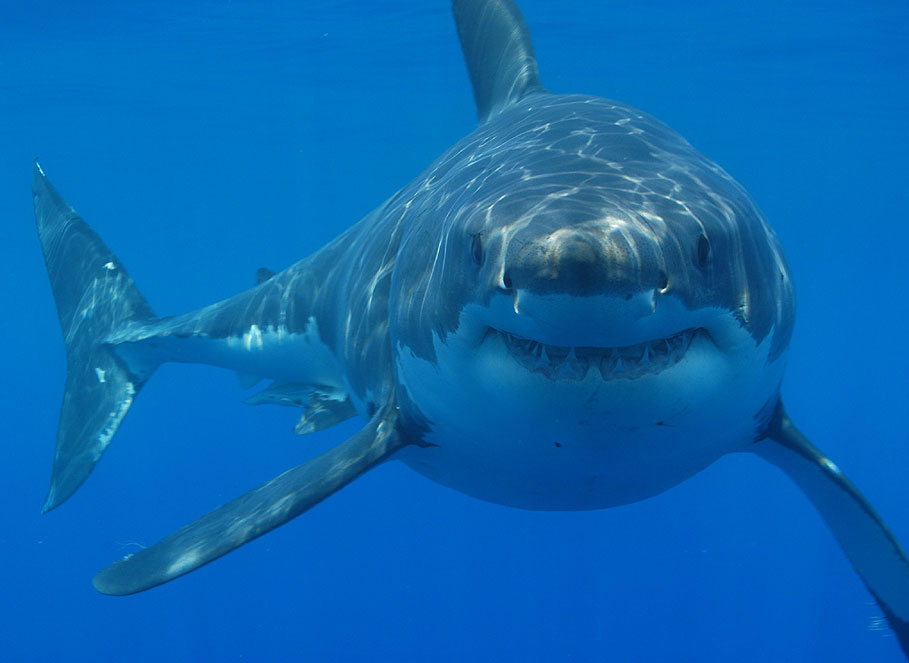
Marine Reptiles vs. Ancient Sharks: Who Ruled the Waters?

The prehistoric oceans were arenas of epic power struggles, dominated by creatures that would make today’s marine life seem tame by comparison. For over 250 million years, various apex predators vied for supremacy in Earth’s ancient seas. Two groups stand out in this underwater competition for dominance: the fearsome marine reptiles—like ichthyosaurs, plesiosaurs, and mosasaurs—and ...

Why Trilobites Had Crystal Eyes - Nature's First Engineers

Why Trilobites Had Crystal Eyes – Nature’s First Engineers

Picture swimming through ancient oceans over half a billion years ago, and encountering creatures that possessed something truly extraordinary: eyes made of actual crystal. These weren’t just primitive light sensors, but sophisticated optical instruments that would put many modern designs to shame. The eyes belonged to an extinct group of animals called trilobites, and their ...

The Trilobite Defense System

The Sea Creature With Armor So Tough It Defied Evolution

Imagine finding a fossil so perfectly preserved that scientists couldn’t believe their eyes. Picture stumbling upon ancient creatures whose defensive systems were so sophisticated they seemed like engineering marvels from another world. These weren’t mythical beasts, but real animals that dominated prehistoric oceans with armor so advanced it challenged everything paleontologists thought they knew about ...

Reconstruction of ammonoids

Why Ammonites Were the True Kings of the Prehistoric Oceans

When we think of ancient marine predators, our minds often leap to massive creatures like megalodon or mosasaurs. However, for over 300 million years, a different group of organisms dominated the prehistoric seas – the ammonites. These cephalopods, with their distinctive spiral shells and remarkable adaptations, weren’t just passive inhabitants of ancient oceans but rather ...

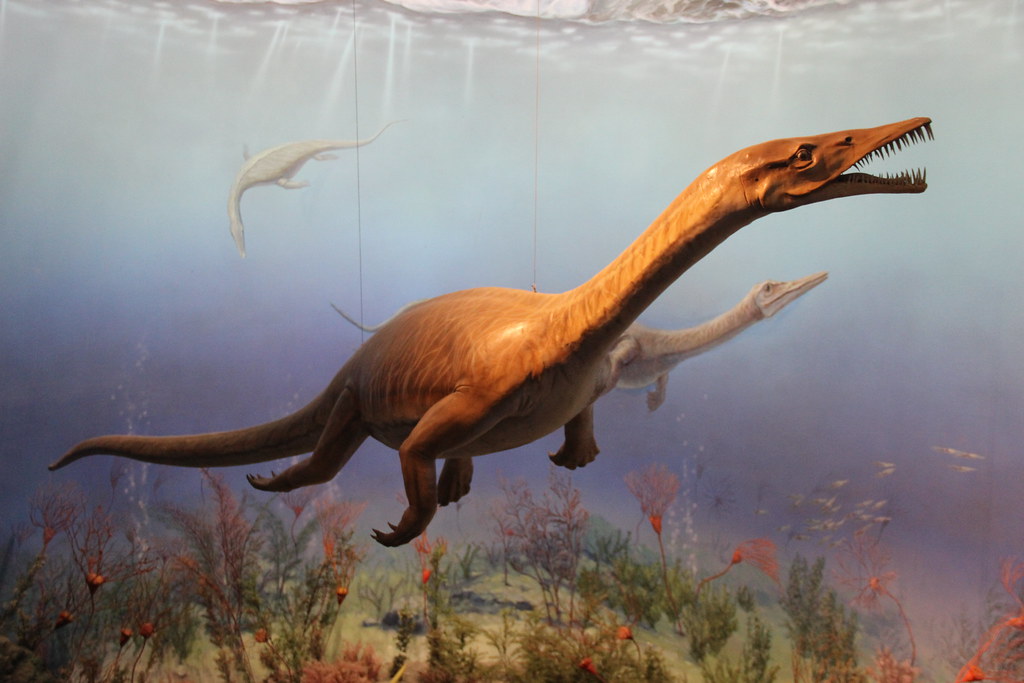
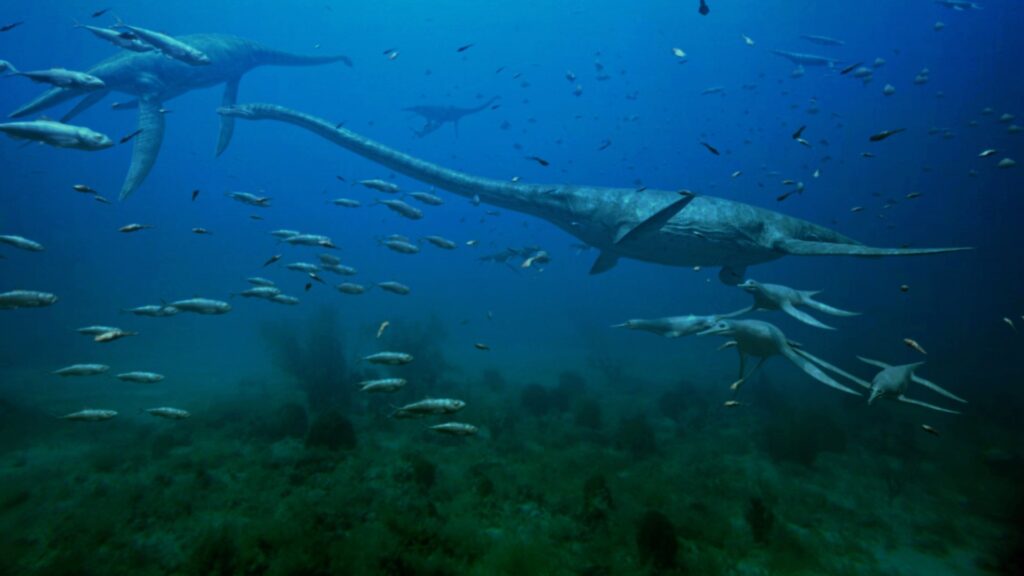
Massive mosasaurs and plesiosaurs needed huge amounts of food to survive.

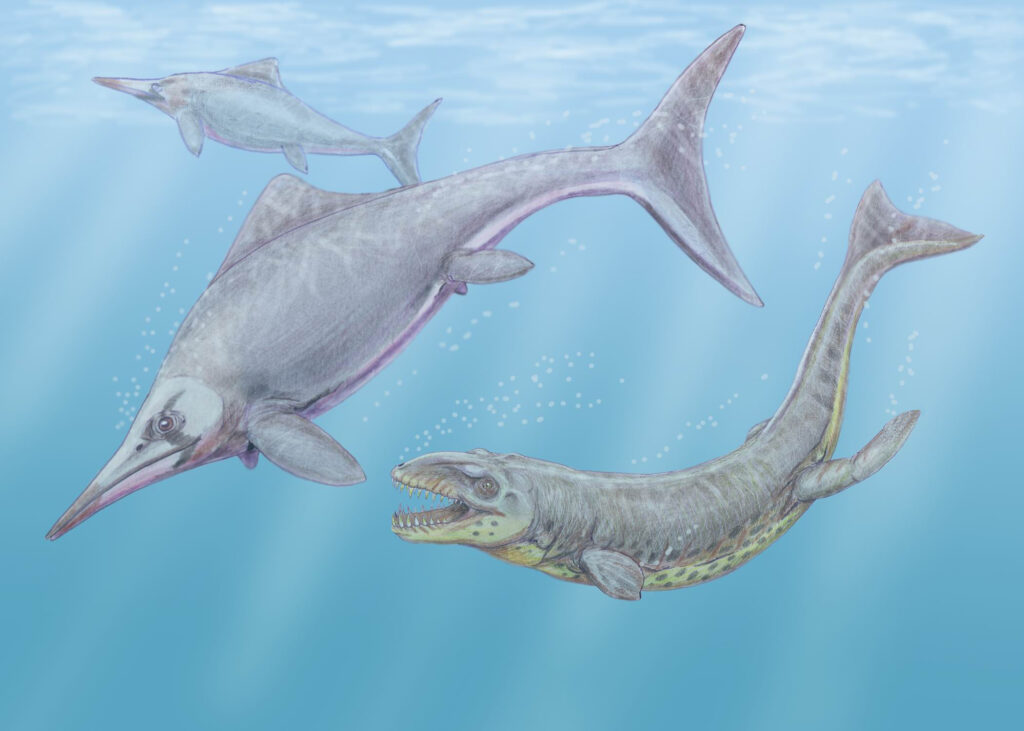
Meet the Giant Predators of the Late Cretaceous Seas

The Late Cretaceous period, spanning from approximately 100 to 66 million years ago, witnessed Earth’s oceans teeming with some of the most formidable marine predators to ever exist. As dinosaurs dominated the land, equally impressive giants ruled the prehistoric seas. These ancient marine hunters evolved remarkable adaptations that made them perfectly suited for their aquatic ...

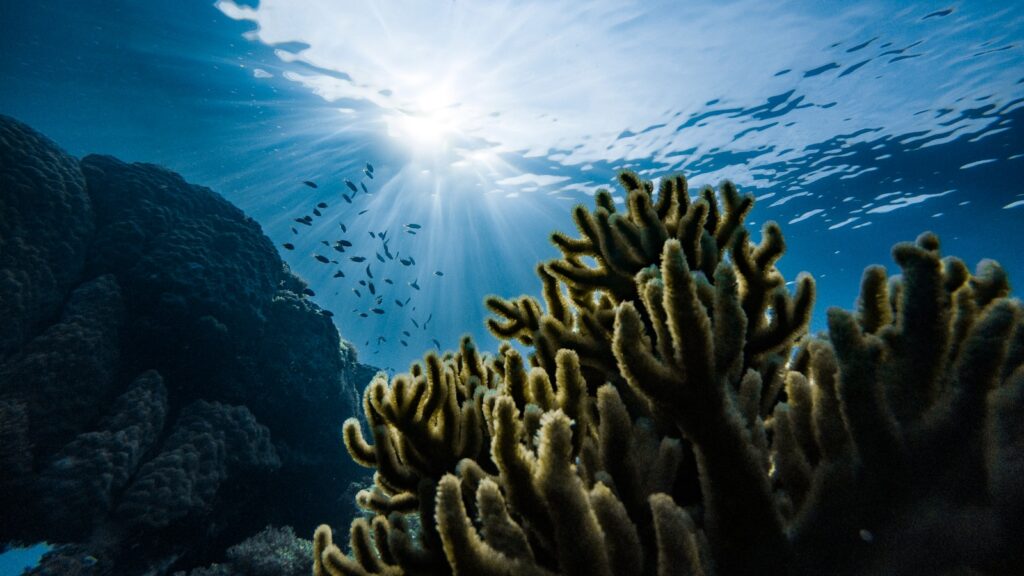
Scleractinian Corals

What Fossilized Coral Reefs Reveal About Ancient Climate Change

Ancient coral reefs, preserved as fossils for millions of years, serve as remarkable natural archives of Earth’s climate history. Like tree rings or ice cores, these marine structures contain chemical signatures and physical characteristics that provide scientists with detailed insights into past environmental conditions. As climate change increasingly affects our modern world, these fossilized reefs ...

The discovery of marine fossils alongside dinosaur remains illuminates the complex ecological connections that existed between terrestrial and marine environments during the Mesozoic Era.

Ancient Water Dwellers: What Dinosaurs Shared Their World With Otter Ancestors?

The ancient waterways of Earth tell a fascinating story of coexistence between different evolutionary lineages that few people realize. While dinosaurs dominated the Mesozoic Era (252-66 million years ago), the early ancestors of modern mammals, including the predecessors of today’s playful otters, were already developing their evolutionary pathways. These ancient water-dwelling mammals navigated the same ...