Articles for category: Prehistoric Theories

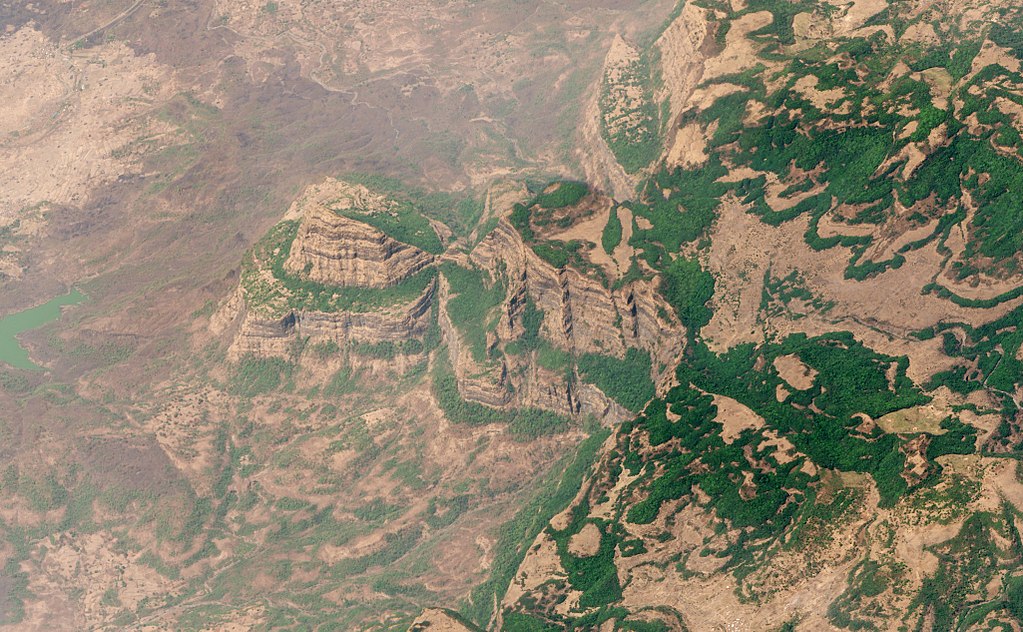
SkySat satellite image of Deccan Traps, Maharashtra

Was the End-Cretaceous Extinction Slower Than We Think?

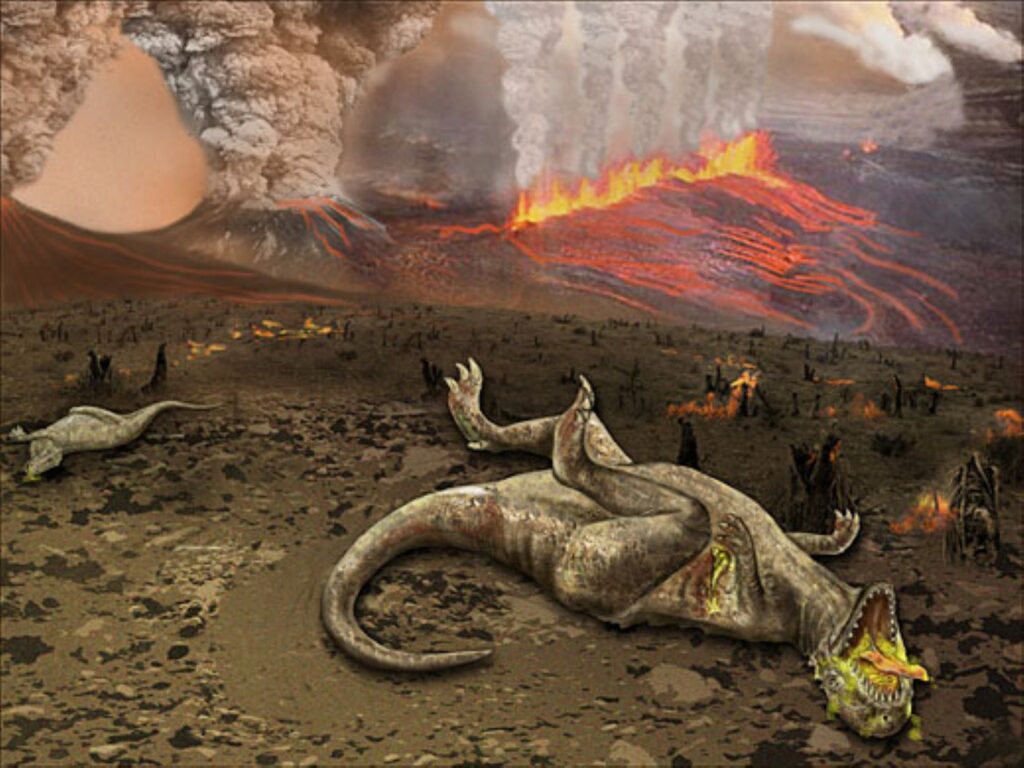
The end-Cretaceous mass extinction, which wiped out approximately 75% of all species on Earth, including the non-avian dinosaurs, has long been regarded as a sudden, catastrophic event. Conventional wisdom holds that the impact of a massive asteroid in what is now Chicxulub, Mexico, delivered a swift deathblow to Earth’s ecosystems around 66 million years ago. ...

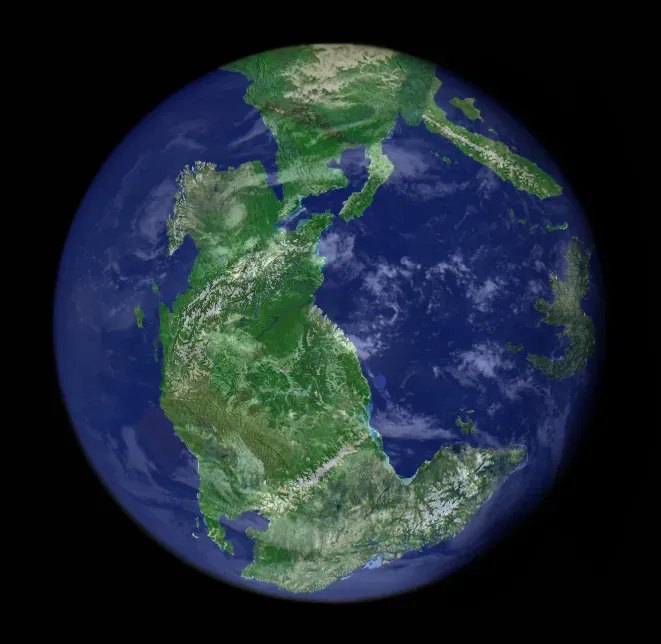
View of Earth from space, showing swirling white clouds, blue oceans, and brown continents. The image conveys a sense of vastness and tranquility.

Is the Meteor Theory Wrong? The Alternative Extinction Hypotheses

For decades, the prevailing explanation for the dinosaurs’ demise has been the Alvarez hypothesis: a massive asteroid struck Earth 66 million years ago, triggering catastrophic climate change that wiped out approximately 75% of species on the planet. This theory gained substantial credibility with the discovery of the Chicxulub crater in Mexico’s Yucatán Peninsula and the ...

Arctic Adaptations and Feeding Behaviors

What Dinosaurs Ate in Winter

The question of how dinosaurs survived has puzzled scientists for decades. While we often picture these ancient giants roaming through tropical swamps and steamy forests, the reality is far more complex and fascinating. Recent discoveries of dinosaur fossils in polar regions and sophisticated analyses of their stomach contents have revealed remarkable survival strategies that challenge ...

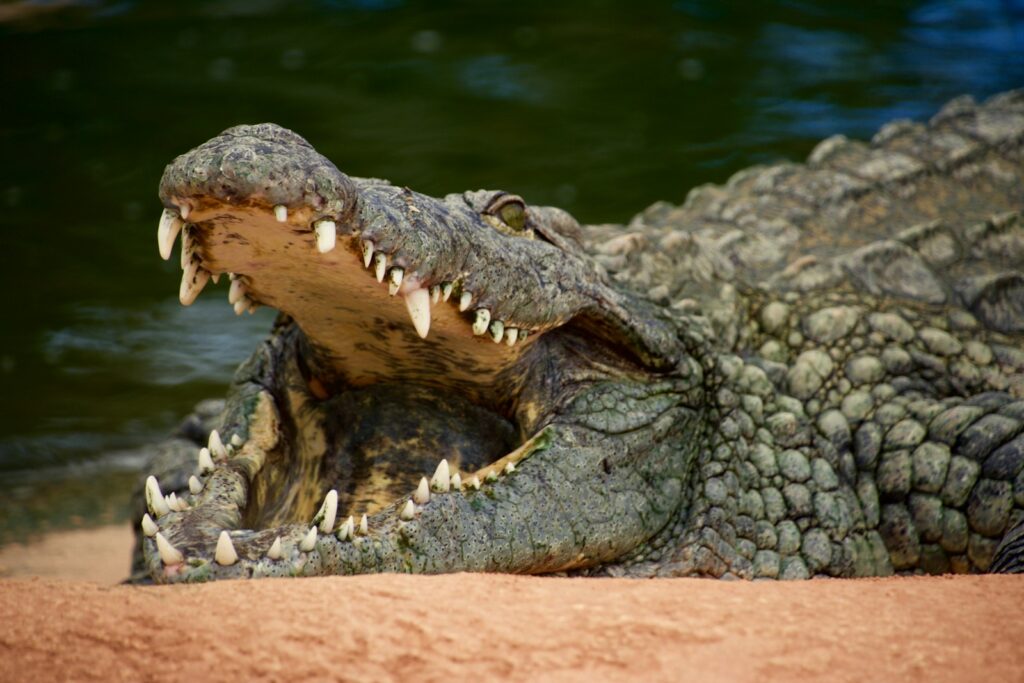
crocodile on body of water during daytime

Crocodiles vs. Dinosaurs: How One Lineage Survived and the Other Didn’t

Approximately 66 million years ago, a catastrophic event reshaped Earth’s biological landscape forever. The Cretaceous-Paleogene extinction event wiped out approximately 75% of all species, including the non-avian dinosaurs that had dominated terrestrial ecosystems for over 160 million years. Yet remarkably, crocodilians—the group including crocodiles and alligators—survived this mass extinction and continue to thrive today, virtually ...