Articles for category: Uncategorized

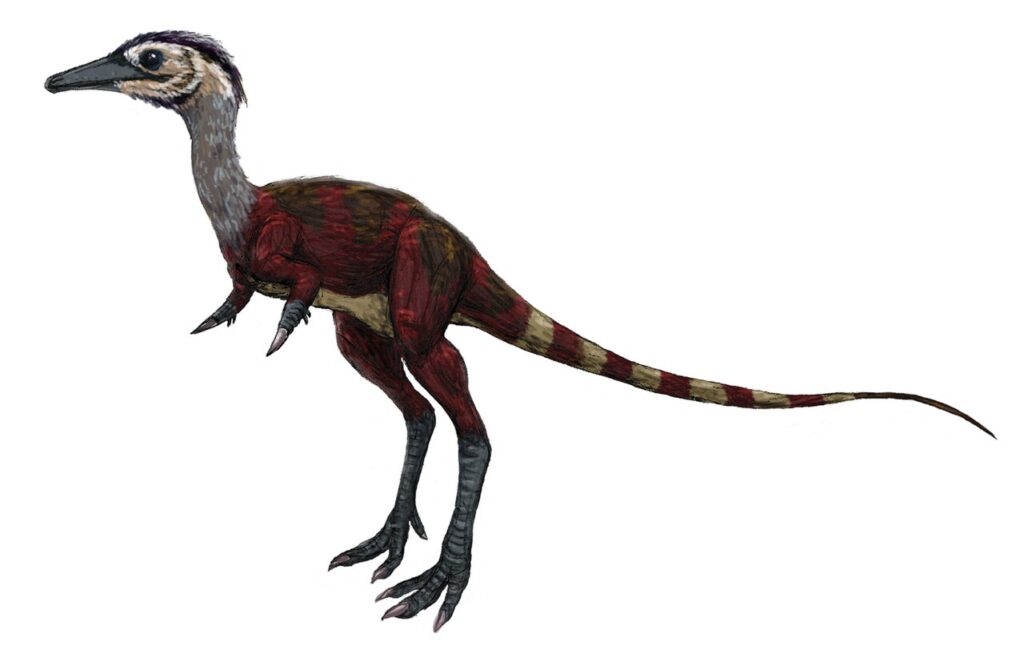
Shuvuuia: The Nocturnal Dino With Eagle Eyes and Mole Claws (Mongolia)

In the late Cretaceous period, approximately 75-81 million years ago, a small, peculiar dinosaur scurried through the arid landscapes of what is now Mongolia’s Gobi Desert. This remarkable creature, named Shuvuuia (meaning “bird” in Mongolian), represents one of paleontology’s most fascinating discoveries. Combining seemingly contradictory features—extraordinarily keen night vision like modern owls, paired with digging ...
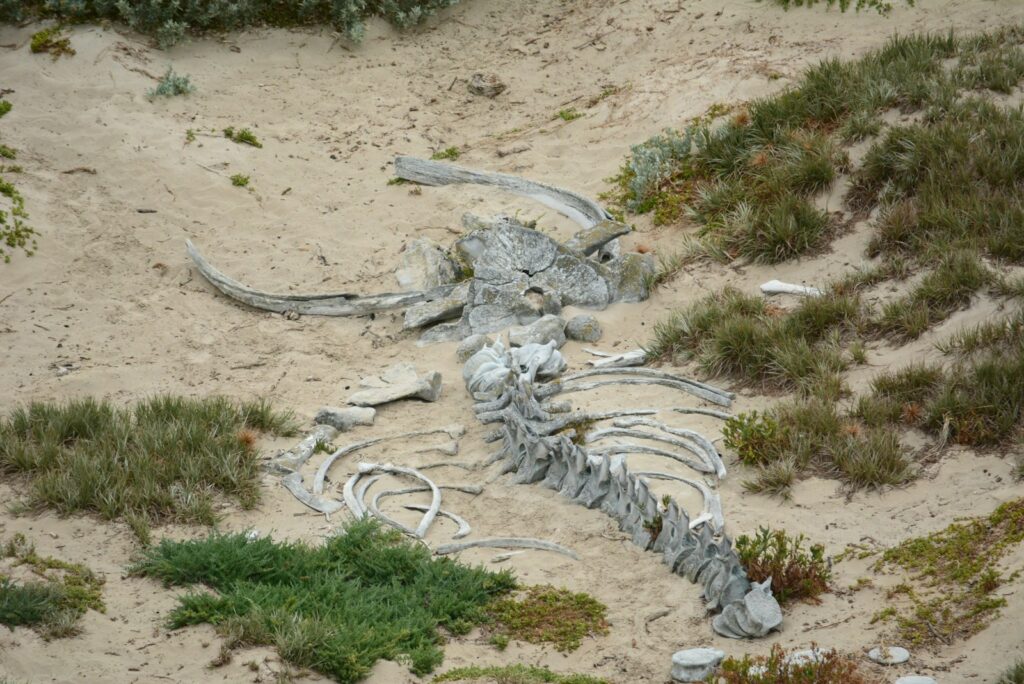
dinosaur skelleton

From Fossils to Theories: How Dinosaurs Shaped Modern Science

The discovery of dinosaur fossils has transformed our understanding of Earth’s history and revolutionized scientific inquiry across multiple disciplines. These ancient reptiles, which dominated terrestrial ecosystems for over 160 million years, have become far more than just museum attractions or subjects of fascination for children. Dinosaur research has pioneered new methodologies, challenged long-held assumptions about ...

a close up of a rock with a bird perched on top of it

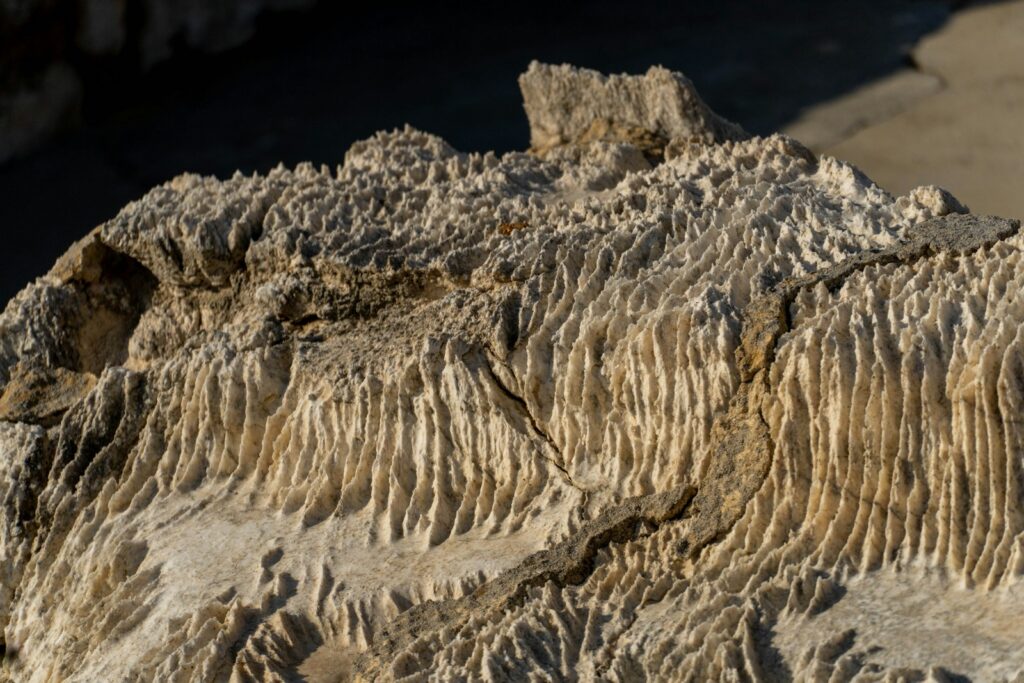
Inside the Alberta Badlands: What Makes It a Fossil Goldmine?

The Alberta Badlands stand as one of North America’s most remarkable geological treasures, a landscape where time itself seems carved into the earth. Stretching across southeastern Alberta, Canada, this otherworldly terrain of hoodoos, coulees, and stratified cliffs has yielded some of the most significant paleontological discoveries in history. The region’s unique combination of ancient sedimentary ...

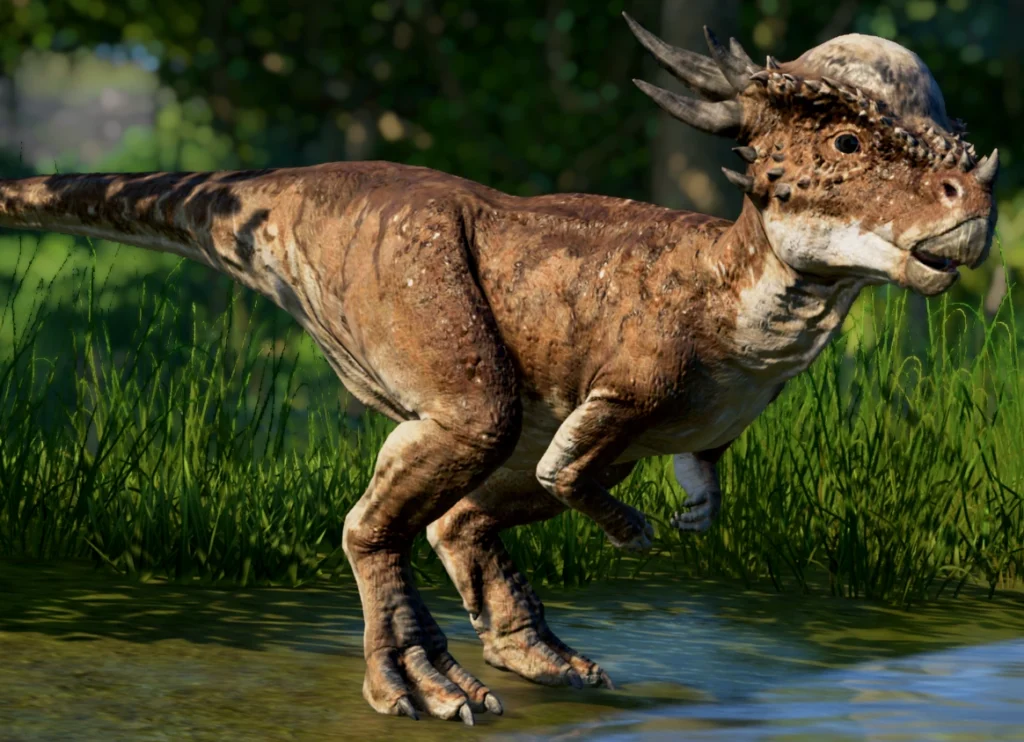
Stygimoloch: The Spiky-Skulled Oddball That Might Not Be Real

In the prehistoric world of dinosaurs, few creatures have sparked as much scientific debate as Stygimoloch spinifer. With its distinctive spiky skull dome and menacing name meaning “demon from the river Styx,” this Late Cretaceous pachycephalosaur has captured both scientific and public imagination since its discovery in the 1970s. However, what makes Stygimoloch truly fascinating ...

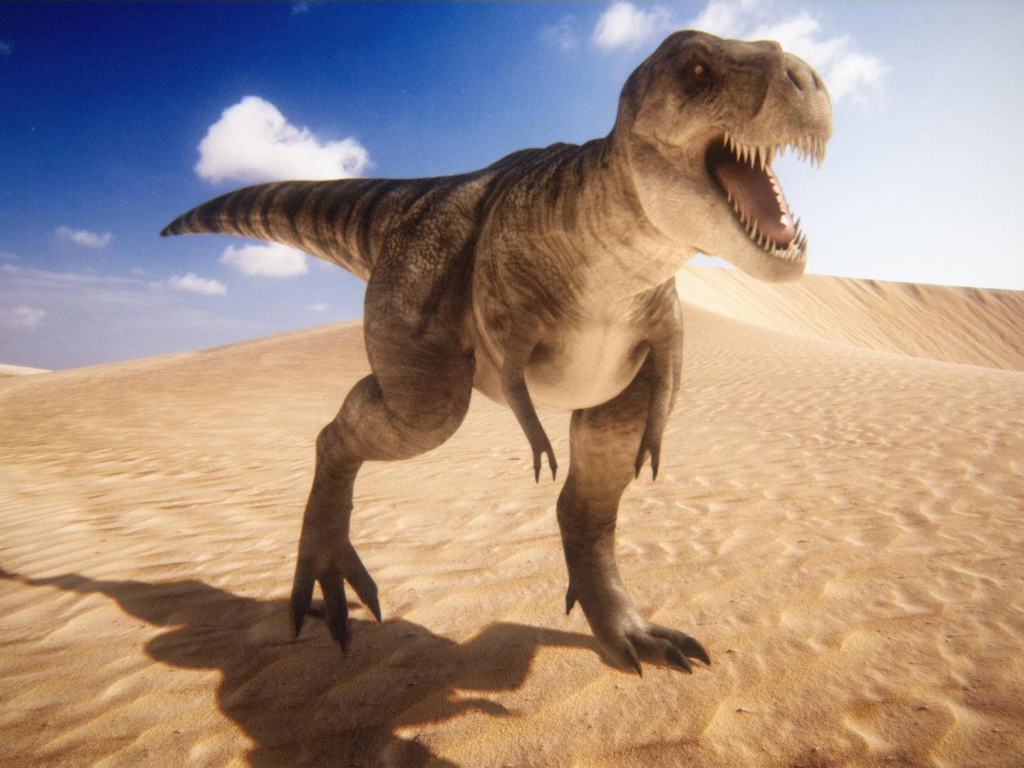
Could Dinosaurs Have Survived in Today’s North American Deserts?

The North American deserts—stretching from the Mojave and Sonoran in the southwest to the Chihuahuan and Great Basin—represent some of the most extreme environments on our continent. These harsh, arid landscapes might seem entirely inhospitable to large animals, yet they support diverse ecosystems of specially adapted creatures. When we consider the mighty dinosaurs that once ...

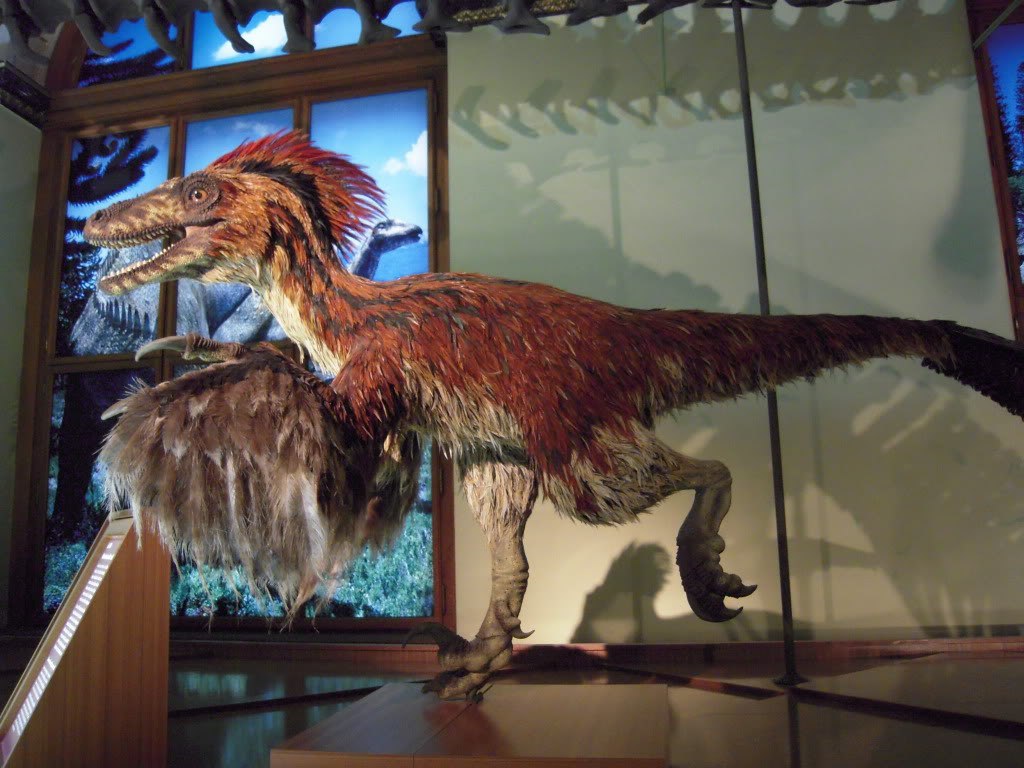
What If Feathers Evolved for Flight Sooner?

The evolution of flight represents one of nature’s most remarkable innovations, fundamentally reshaping Earth’s ecosystems and the course of vertebrate evolution. Feathers, the key adaptation that enabled birds to conquer the skies, first appeared in theropod dinosaurs during the Middle-Late Jurassic period, approximately 165-150 million years ago. However, the development of true powered flight came ...

What a Dinosaur Died With in Its Stomach — and Why It Matters

Paleontology has always captivated our imagination, offering glimpses into Earth’s distant past. Among the most fascinating discoveries are the rare fossils that preserve not just bones, but actual stomach contents—the final meals of creatures that lived millions of years ago. These extraordinary findings, known as “gut contents,” provide unprecedented insights into prehistoric food webs, behaviors, ...