Articles for category: Uncategorized

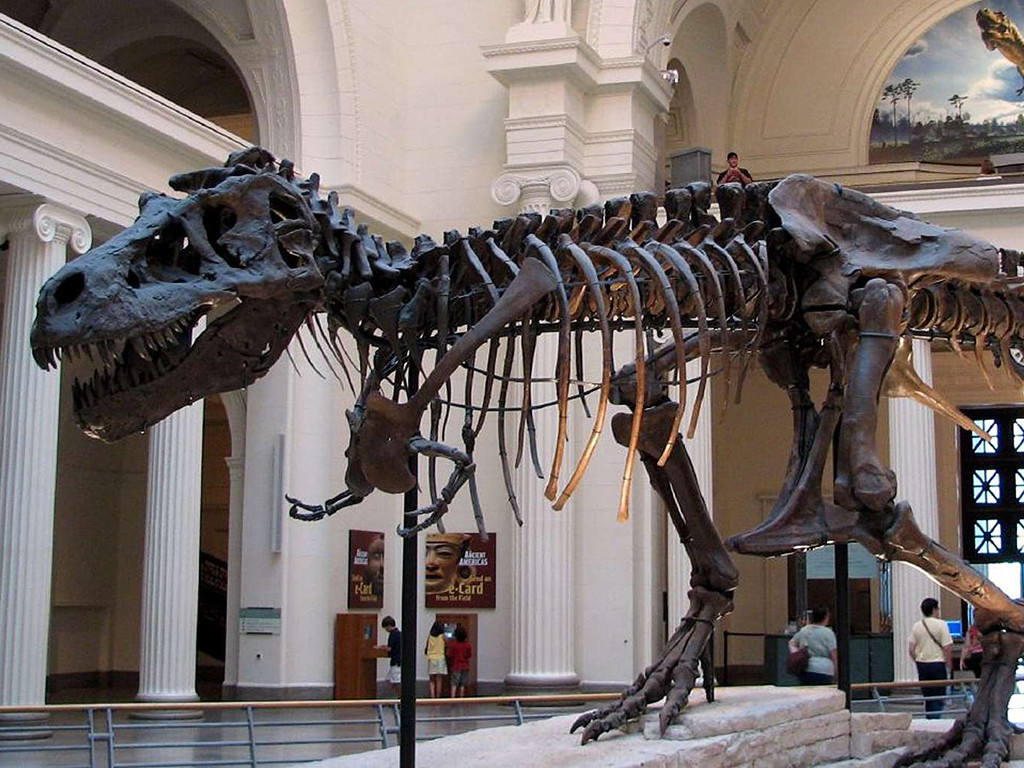
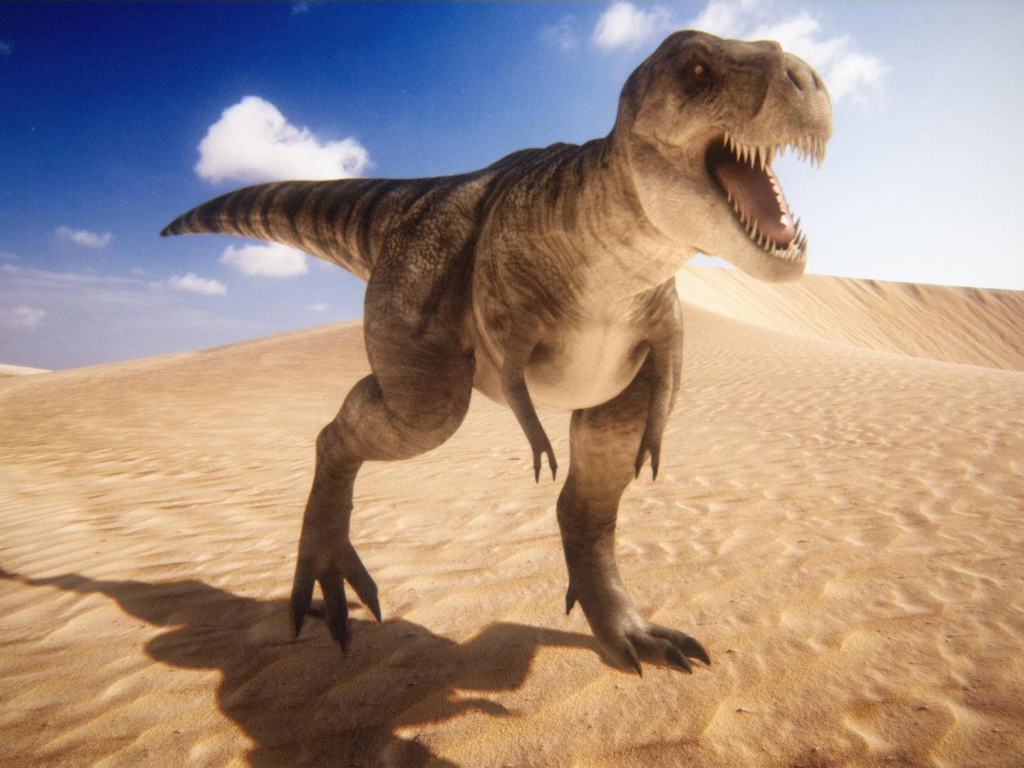
Could Dinosaurs Have Survived in Today’s North American Deserts?

The North American deserts—stretching from the Mojave and Sonoran in the southwest to the Chihuahuan and Great Basin—represent some of the most extreme environments on our continent. These harsh, arid landscapes might seem entirely inhospitable to large animals, yet they support diverse ecosystems of specially adapted creatures. When we consider the mighty dinosaurs that once ...
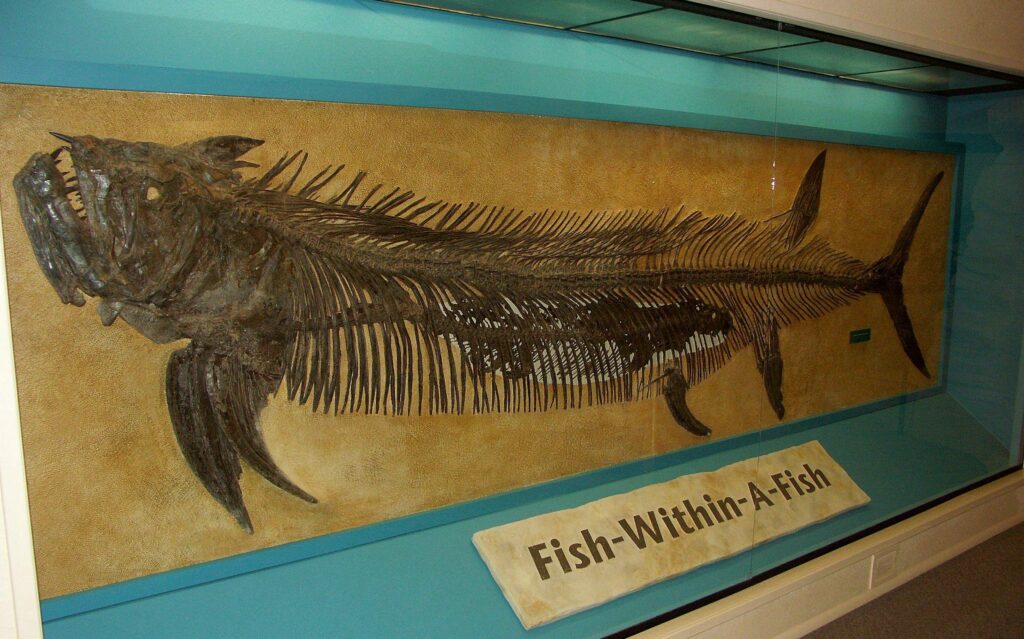
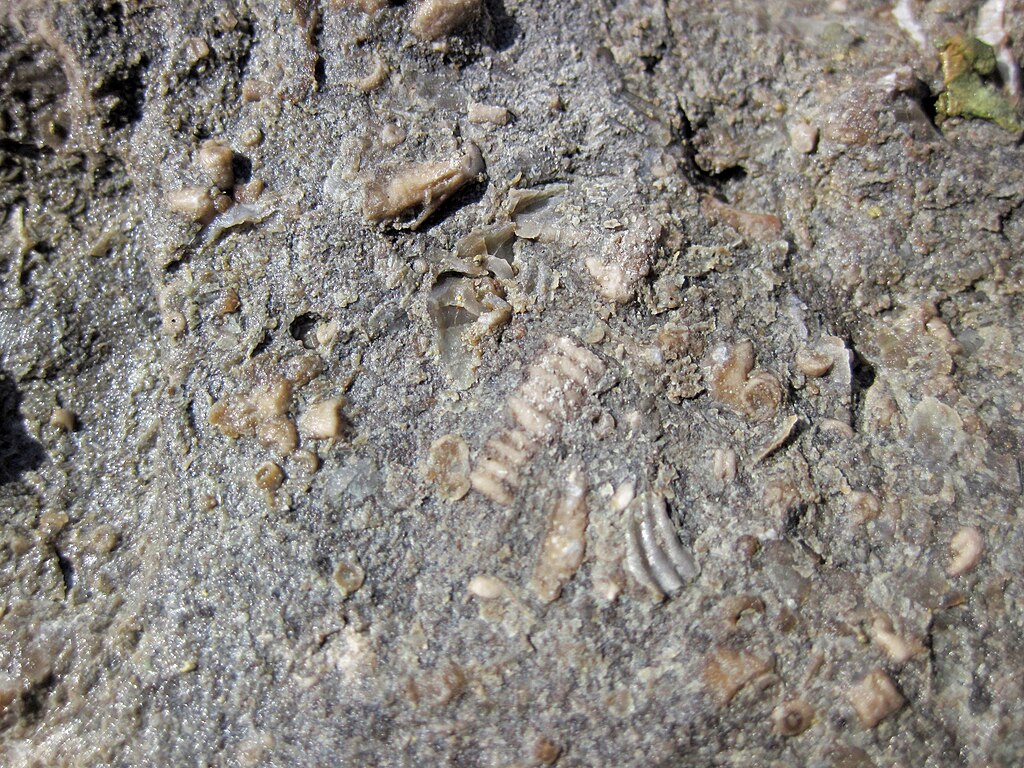
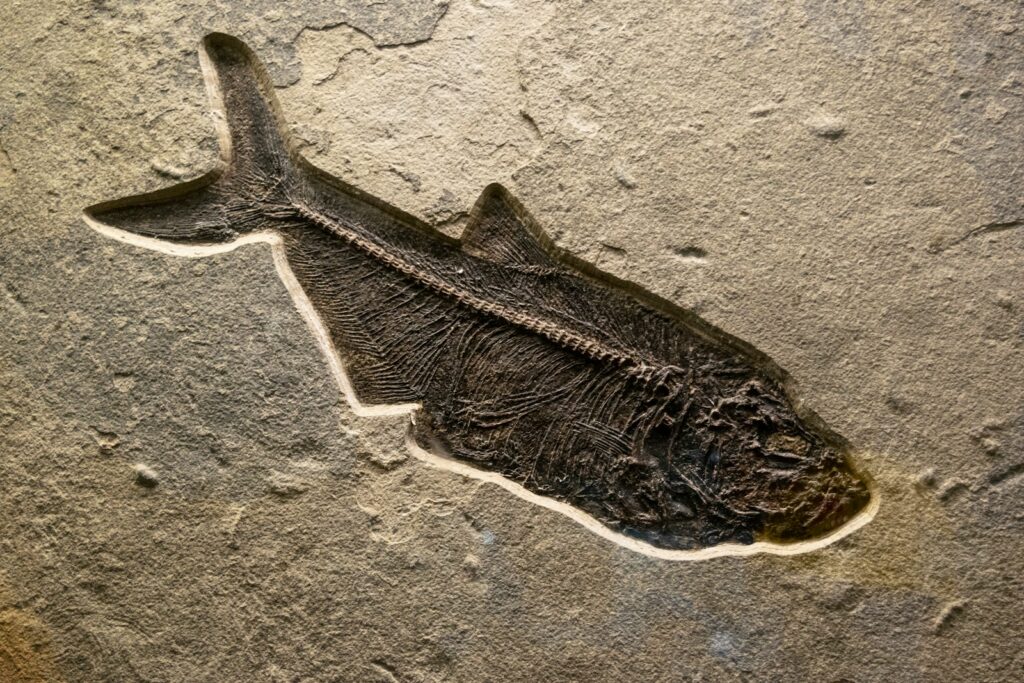
Have We Found Fossils of Fish Living Inside Other Fossils?

The world of paleontology is filled with extraordinary discoveries that continue to reshape our understanding of ancient life. Among these findings, perhaps none are more fascinating than fossils preserved within other fossils – a phenomenon that creates a remarkable snapshot of prehistoric predator-prey relationships. These rare “fossils within fossils” offer unprecedented insights into ancient food ...

The Role of Bones in Ancient Riverbed Ecosystems

Bones scattered along ancient riverbeds tell stories that span millennia, offering windows into past ecosystems that would otherwise remain hidden from scientific inquiry. These skeletal remains, whether from fish, amphibians, reptiles, mammals, or birds, serve as natural time capsules that preserve biological information and ecological relationships. In ancient riverbed ecosystems, bones weren’t merely the discarded ...

Montana’s Prehistoric Past Uncovered at the Museum of the Rockies

The Museum of the Rockies in Bozeman, Montana stands as a gateway to a world long vanished, where colossal dinosaurs roamed across landscapes that would eventually become the mountainous terrain we know today. This world-renowned institution offers visitors an extraordinary journey through billions of years of Earth’s history, with a particular focus on Montana’s rich ...

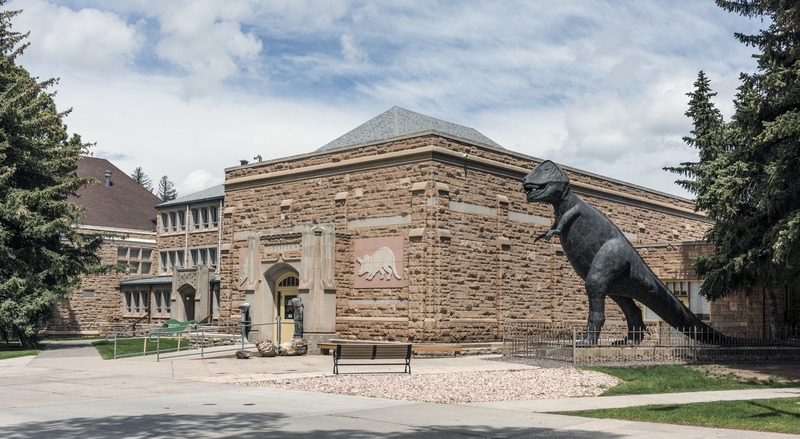
Geological Museum at the University of Wyoming

Southern Germany’s Jurassic Secrets at Stuttgart’s Natural History Museum

Within the heart of Baden-Württemberg, Stuttgart’s Natural History Museum (Staatliches Museum für Naturkunde Stuttgart) houses one of Europe’s most remarkable collections of Jurassic fossils, telling a fascinating story of prehistoric life that once flourished in what is now southern Germany. This treasure trove of paleontological wonders offers visitors a unique glimpse into an ancient world ...

black and white nike shoe

Did Prehistoric Crabs or Fish Live in Fossil Cavities?

The question of whether prehistoric crabs or fish inhabited the cavities found in fossils has fascinated paleontologists for decades. These ancient hollows, formed in the remains of deceased organisms, potentially served as microhabitats for various marine creatures. Through careful examination of sedimentary deposits, trace fossils, and preserved remains, scientists have uncovered compelling evidence that certain ...

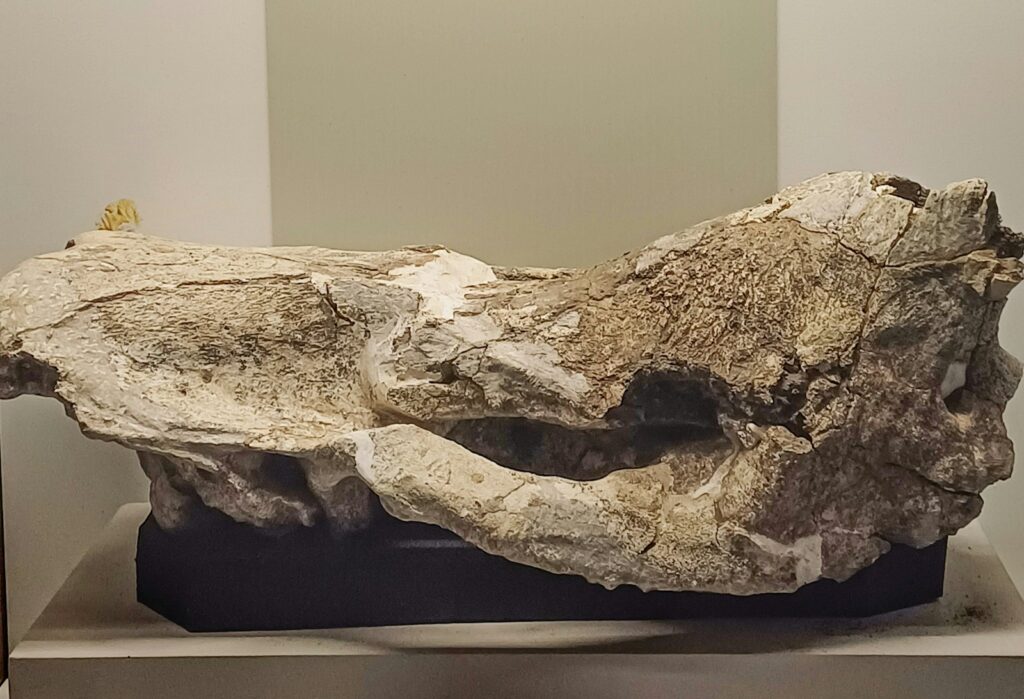
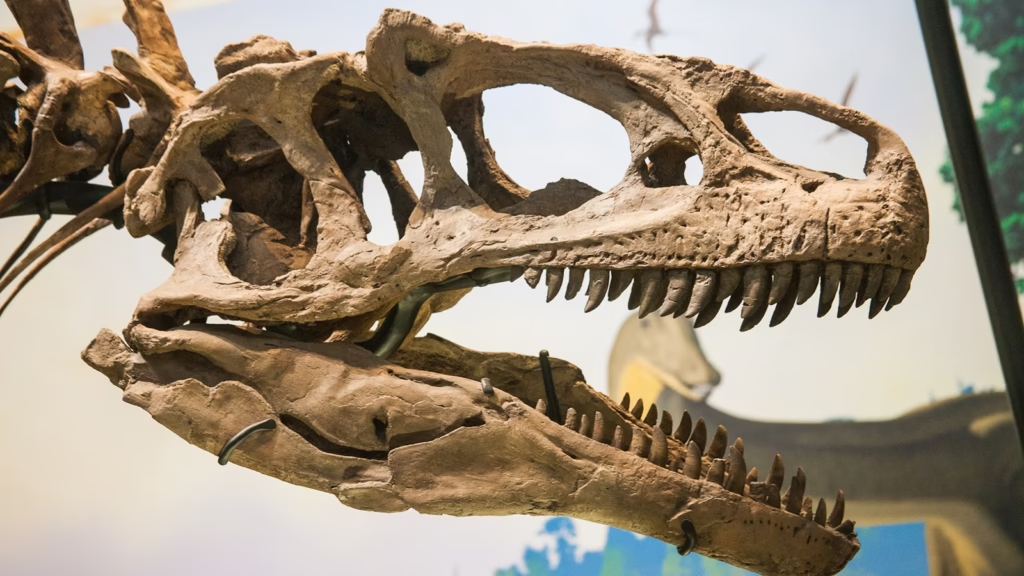
A fossilized skull is on display.

Dakota, the Mummified Dinosaur: How a North Dakota Find Changed Paleontology

In the summer of 1999, a remarkable discovery was made near Marmarth, North Dakota, that would forever change our understanding of dinosaurs. A teenage fossil hunter named Tyler Lyson stumbled upon what appeared to be an ordinary dinosaur skeleton on his family’s property. What he couldn’t have known then was that he had discovered one ...

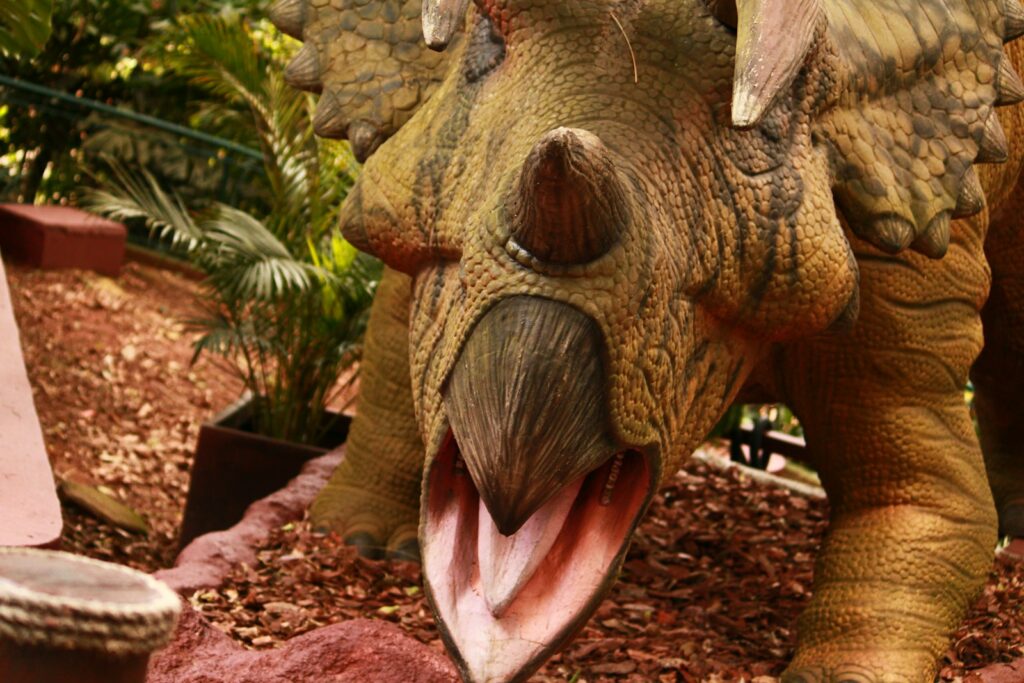
A close up of a dinosaur with its mouth open

Did Primeval Get Paleontology Right? Let’s Break It Down

Primeval, the British science fiction television series that aired from 2007 to 2011, captivated audiences with its thrilling premise of prehistoric creatures entering the modern world through temporal anomalies. While the show delivered entertainment in spades, many viewers with an interest in paleontology found themselves questioning the scientific accuracy of the depicted creatures and concepts. ...

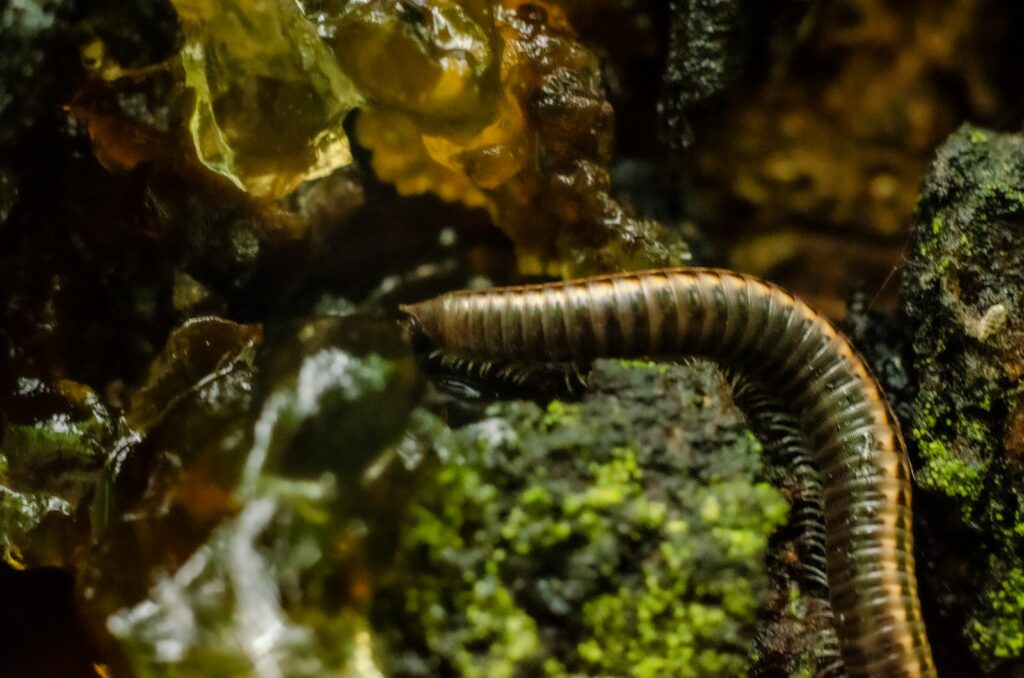
brown and black caterpillar on green moss

Could Ancient Worms or Insects Have Burrowed Through Bone?

The intersection of paleontology, forensic science, and entomology reveals fascinating possibilities about how ancient invertebrates may have interacted with skeletal remains. When examining fossilized bones from prehistoric creatures or ancient human remains, scientists occasionally discover mysterious tunnels, holes, and markings that raise intriguing questions. Could ancient worms, insects, or other invertebrates have created these patterns ...