Articles for category: Uncategorized

Have We Found Fossils of Fish Living Inside Other Fossils?

The world of paleontology is filled with extraordinary discoveries that continue to reshape our understanding of ancient life. Among these findings, perhaps none are more fascinating than fossils preserved within other fossils – a phenomenon that creates a remarkable snapshot of prehistoric predator-prey relationships. These rare “fossils within fossils” offer unprecedented insights into ancient food ...

Shuvuuia: The Nocturnal Dino With Eagle Eyes and Mole Claws (Mongolia)

In the late Cretaceous period, approximately 75-81 million years ago, a small, peculiar dinosaur scurried through the arid landscapes of what is now Mongolia’s Gobi Desert. This remarkable creature, named Shuvuuia (meaning “bird” in Mongolian), represents one of paleontology’s most fascinating discoveries. Combining seemingly contradictory features—extraordinarily keen night vision like modern owls, paired with digging ...

What a Dinosaur Died With in Its Stomach — and Why It Matters

Paleontology has always captivated our imagination, offering glimpses into Earth’s distant past. Among the most fascinating discoveries are the rare fossils that preserve not just bones, but actual stomach contents—the final meals of creatures that lived millions of years ago. These extraordinary findings, known as “gut contents,” provide unprecedented insights into prehistoric food webs, behaviors, ...

The Role of Bones in Ancient Riverbed Ecosystems

Bones scattered along ancient riverbeds tell stories that span millennia, offering windows into past ecosystems that would otherwise remain hidden from scientific inquiry. These skeletal remains, whether from fish, amphibians, reptiles, mammals, or birds, serve as natural time capsules that preserve biological information and ecological relationships. In ancient riverbed ecosystems, bones weren’t merely the discarded ...

Montana’s Prehistoric Past Uncovered at the Museum of the Rockies

The Museum of the Rockies in Bozeman, Montana stands as a gateway to a world long vanished, where colossal dinosaurs roamed across landscapes that would eventually become the mountainous terrain we know today. This world-renowned institution offers visitors an extraordinary journey through billions of years of Earth’s history, with a particular focus on Montana’s rich ...

What If Feathers Evolved for Flight Sooner?

The evolution of flight represents one of nature’s most remarkable innovations, fundamentally reshaping Earth’s ecosystems and the course of vertebrate evolution. Feathers, the key adaptation that enabled birds to conquer the skies, first appeared in theropod dinosaurs during the Middle-Late Jurassic period, approximately 165-150 million years ago. However, the development of true powered flight came ...

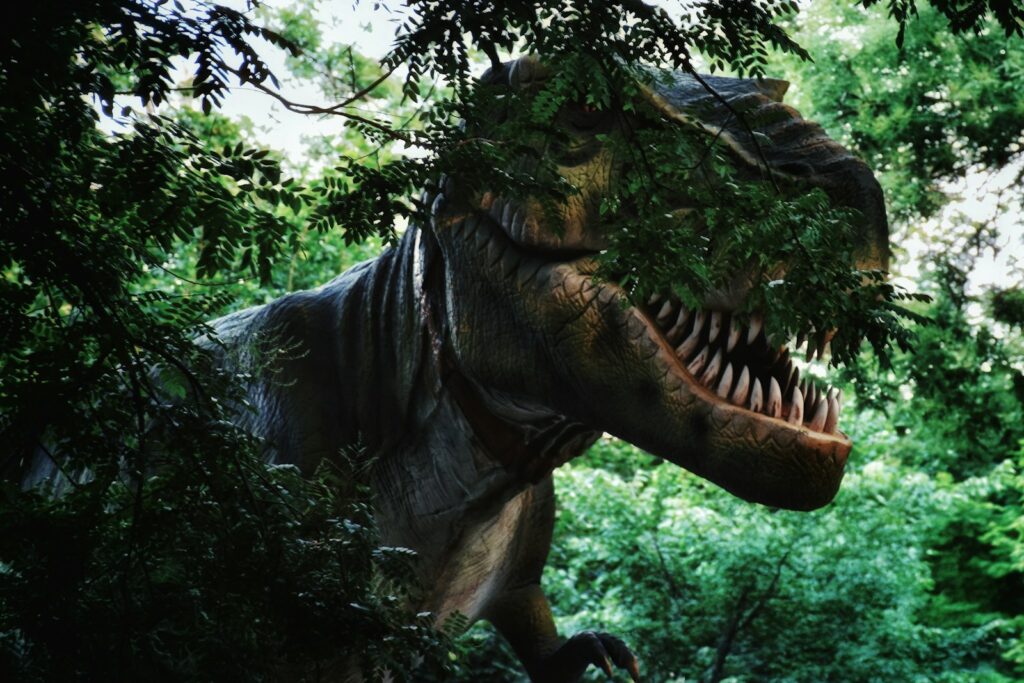
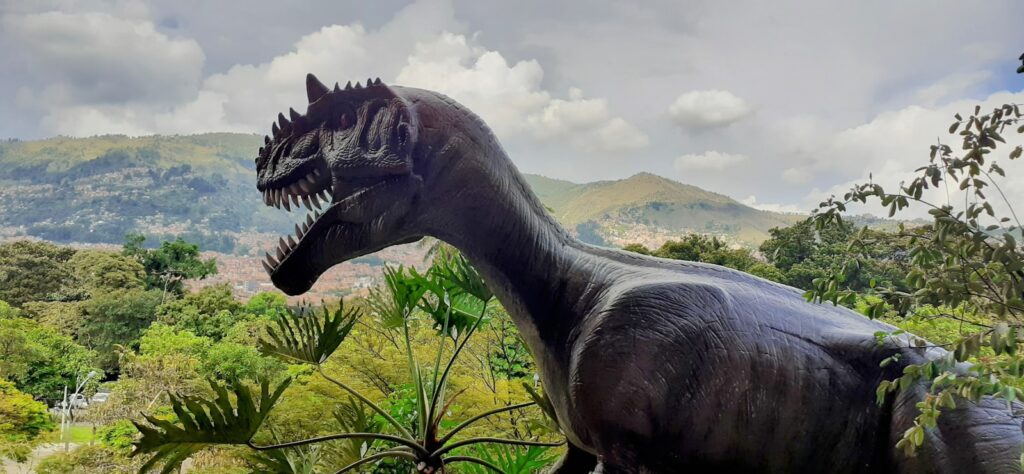
A close up of a dinosaur with its mouth open

Did Primeval Get Paleontology Right? Let’s Break It Down

Primeval, the British science fiction television series that aired from 2007 to 2011, captivated audiences with its thrilling premise of prehistoric creatures entering the modern world through temporal anomalies. While the show delivered entertainment in spades, many viewers with an interest in paleontology found themselves questioning the scientific accuracy of the depicted creatures and concepts. ...

Stygimoloch: The Spiky-Skulled Oddball That Might Not Be Real

In the prehistoric world of dinosaurs, few creatures have sparked as much scientific debate as Stygimoloch spinifer. With its distinctive spiky skull dome and menacing name meaning “demon from the river Styx,” this Late Cretaceous pachycephalosaur has captured both scientific and public imagination since its discovery in the 1970s. However, what makes Stygimoloch truly fascinating ...

black and white nike shoe

Did Prehistoric Crabs or Fish Live in Fossil Cavities?

The question of whether prehistoric crabs or fish inhabited the cavities found in fossils has fascinated paleontologists for decades. These ancient hollows, formed in the remains of deceased organisms, potentially served as microhabitats for various marine creatures. Through careful examination of sedimentary deposits, trace fossils, and preserved remains, scientists have uncovered compelling evidence that certain ...