Articles for author: Lovely Aquino

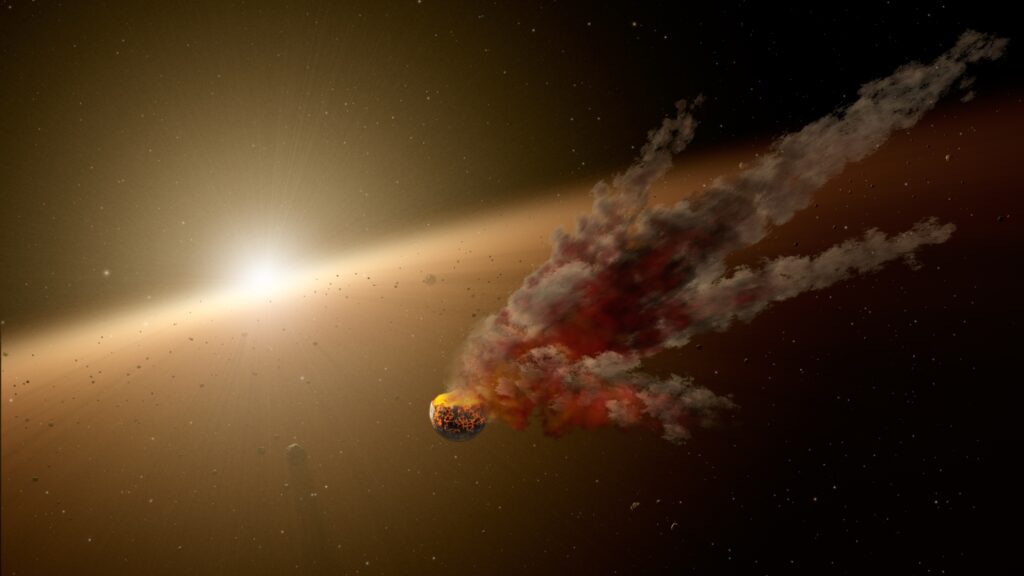
A rocky asteroid burns with fiery debris trailing behind, set against a glowing sun and a dark star-filled space. The scene conveys chaos and intensity.

Volcanoes vs. Asteroids: Which Was Deadlier for Dinosaurs?

The extinction of dinosaurs represents one of Earth’s most fascinating scientific mysteries. For decades, scientists have debated the primary cause of the mass extinction event that occurred approximately 66 million years ago, marking the end of the Cretaceous period and wiping out roughly 75% of Earth’s species. Two leading theories have emerged: a massive asteroid ...

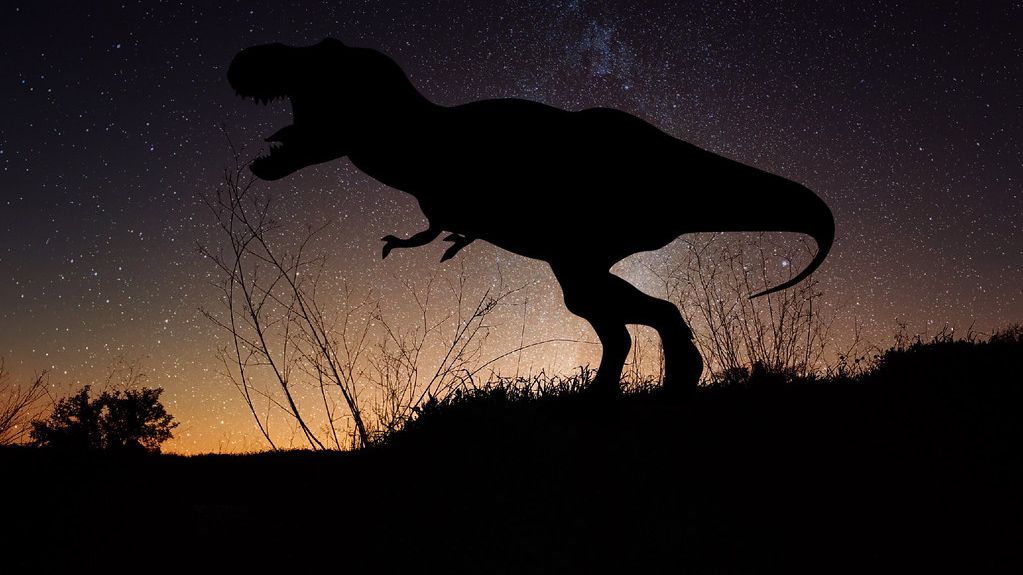
T-Rex Tyrannosaurus Animation

Did Dinosaurs Have Belly Buttons? A Debate on Reptilian Birth

Paleontology continually fascinates us with questions that bridge ancient biology with modern understanding. Among these curiosities stands a seemingly simple yet profound question: Did dinosaurs have belly buttons? This inquiry opens a window into dinosaur reproduction, embryonic development, and the evolutionary connections between prehistoric reptiles and modern animals. While we may never have a definitive ...

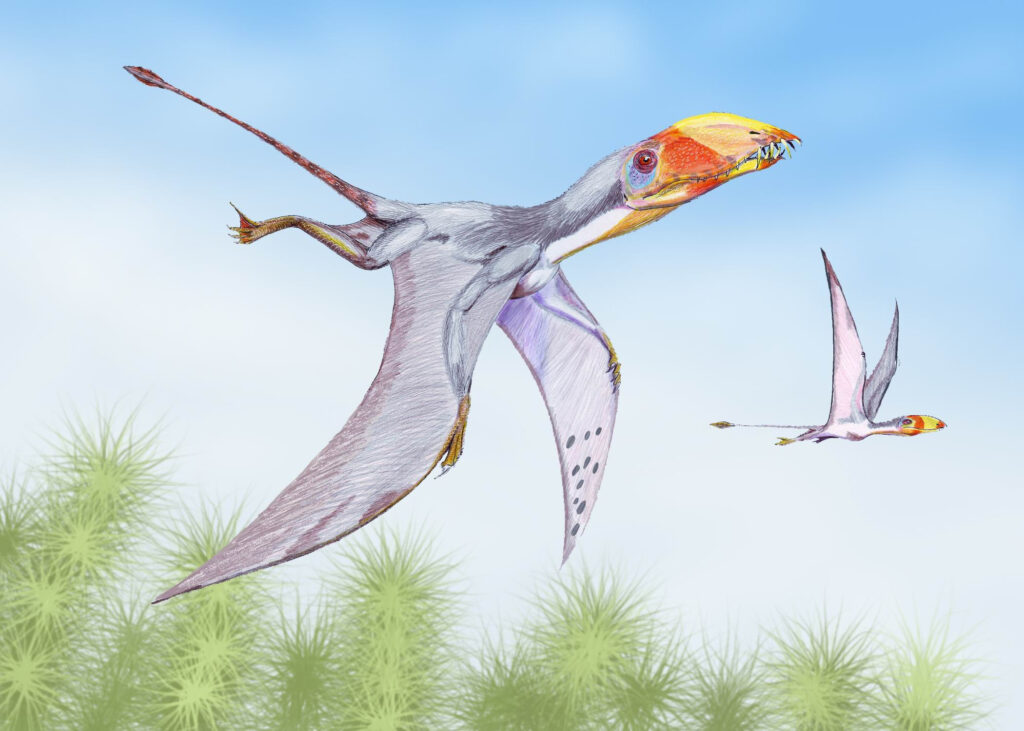
Illustration of two pterosaurs with vibrant orange and yellow beaks flying over green foliage against a clear blue sky, evoking a prehistoric scene.

Did Pterodactyls Live With Dinosaurs? Not Exactly

When we picture the prehistoric world, many of us imagine pterodactyls soaring above herds of dinosaurs, perhaps even snatching smaller ones for meals. This popular image has been reinforced by countless movies, books, and museum displays showing these winged creatures alongside famous dinosaurs like Tyrannosaurus rex and Triceratops. However, the reality of prehistoric life is ...

Lovely Aquino

Dinosaurs Were Warm-Blooded

Are Dinos Warm-Blooded or Cold-Blooded? The Debate That Won’t Die

For nearly two centuries, paleontologists and evolutionary biologists have waged intellectual battles over a fundamental question about dinosaurs: were these magnificent creatures warm-blooded like modern mammals and birds, or cold-blooded like today’s reptiles? This controversy, often called the dinosaur “blood wars,” has shaped our understanding of dinosaur physiology, behavior, and evolutionary relationships. Despite remarkable fossil ...

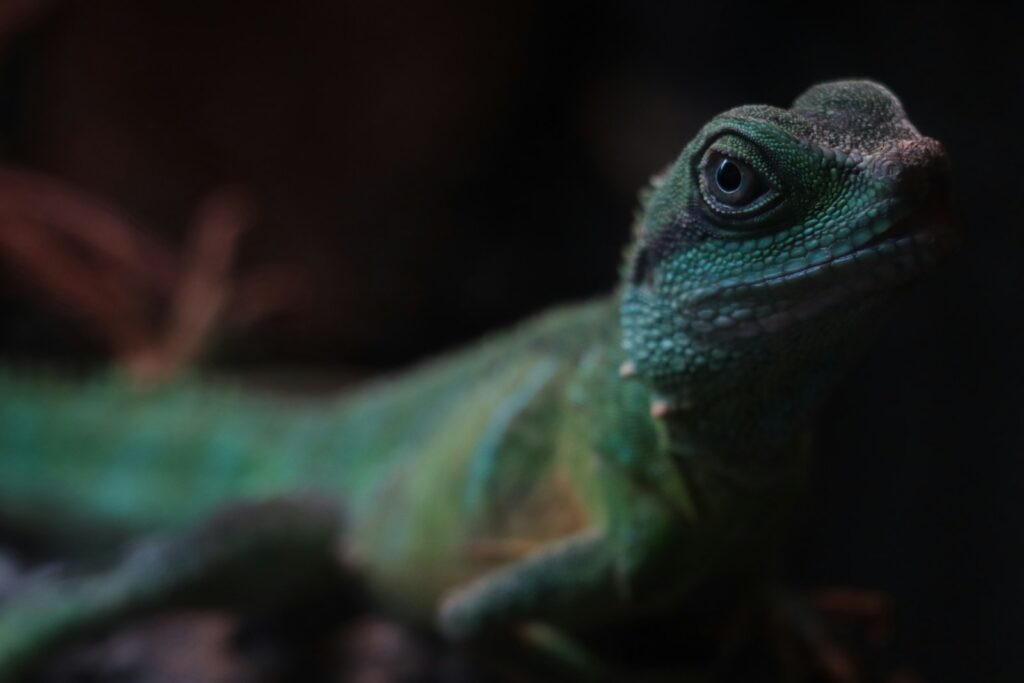
green and brown lizard on brown wood

Snakes and Lizards of the Dinosaur Age

When we think of the Mesozoic Era—the “Age of Dinosaurs” spanning from 252 to 66 million years ago—massive dinosaurs often dominate our imagination. However, this fascinating period was also a critical time for the evolution and diversification of squamates—the reptile group that includes modern snakes and lizards. These smaller reptiles were developing remarkable adaptations and ...

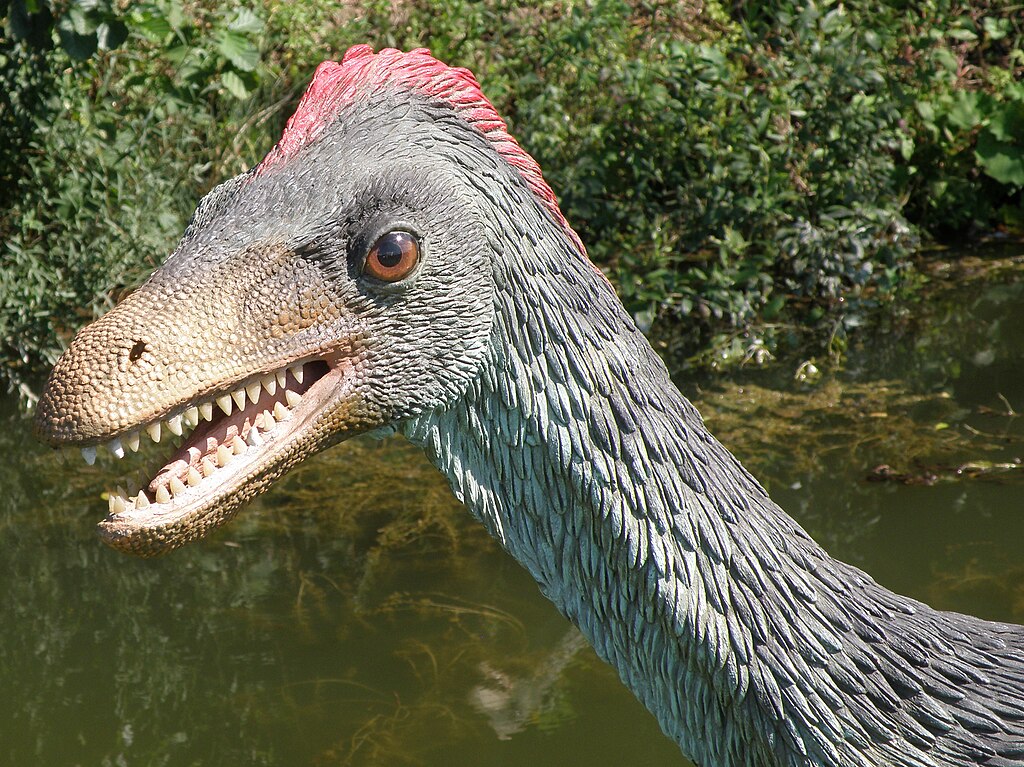
Troodon

Troodon: The Brainiest Dinosaur That Might Have Evolved Into a “Dinosauroid”

Troodon, whose name means “wounding tooth,” has fascinated paleontologists for decades as potentially the most intelligent dinosaur that ever lived. This small theropod from the Late Cretaceous period has sparked one of paleontology’s most intriguing thought experiments: what if dinosaurs had never gone extinct and Troodon’s descendants had evolved into sentient, humanoid creatures? This article ...

An ilustration from the novel "Journey to the Center of the Earth" by Jules Verne painted by Édouard Riou

Dinosaurs in 19th-Century Literature: From Science to Story

The 19th century marked a pivotal era in our understanding of prehistoric life, as paleontological discoveries transformed enigmatic fossils into recognizable creatures from Earth’s distant past. As scientists unearthed and assembled dinosaur remains, these ancient reptiles simultaneously captured the public imagination through literature. The emerging scientific field of paleontology and the flowering of Victorian literature ...

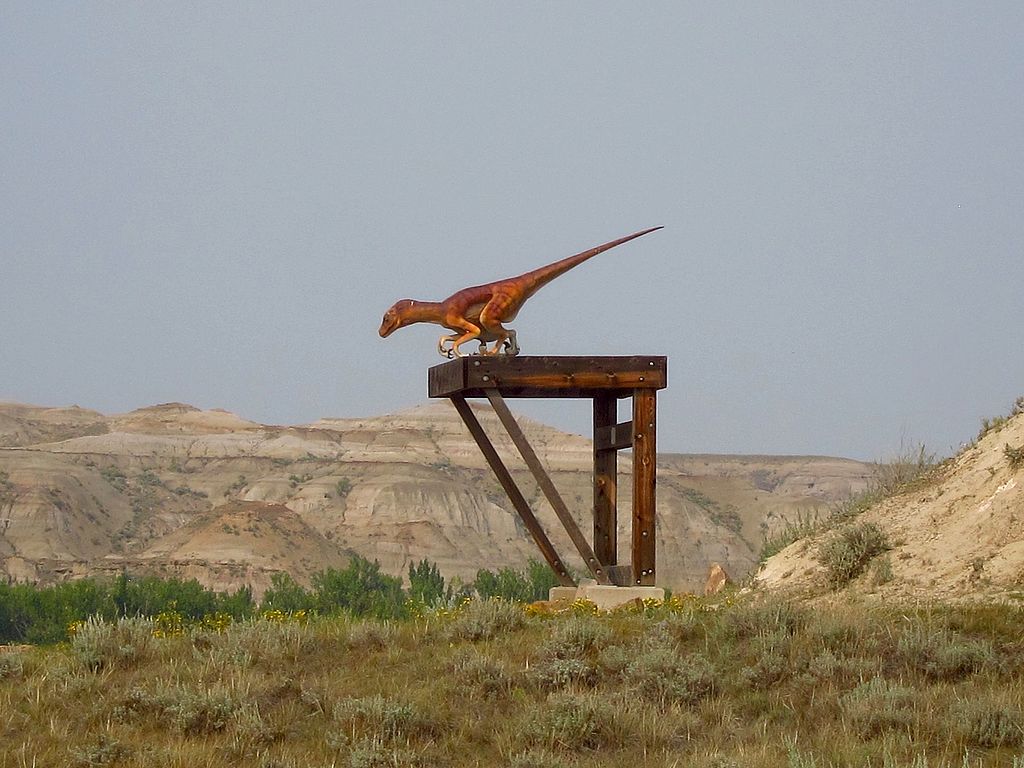
Dinosaur Provincial Park

Visiting Dinosaur Provincial Park: A Jurassic Time Capsule

In the heart of Alberta’s badlands lies a treasure trove of prehistoric wonders that transports visitors back 75 million years. Dinosaur Provincial Park, a UNESCO World Heritage Site, offers an unparalleled window into Earth’s distant past, when these magnificent creatures dominated our planet. This remarkable landscape not only preserves one of the world’s richest dinosaur ...

Zigong Dinosaur Museum

Dong Zhiming: The Father of China’s Dinosaur Renaissance

Dong Zhiming, often called the “Father of Chinese Dinosaurs,” transformed paleontology in China through his groundbreaking discoveries and tireless dedication to the field. His work not only unearthed countless dinosaur fossils across China’s vast landscapes but also established the country as a global center for paleontological research. From humble beginnings during a politically turbulent era ...

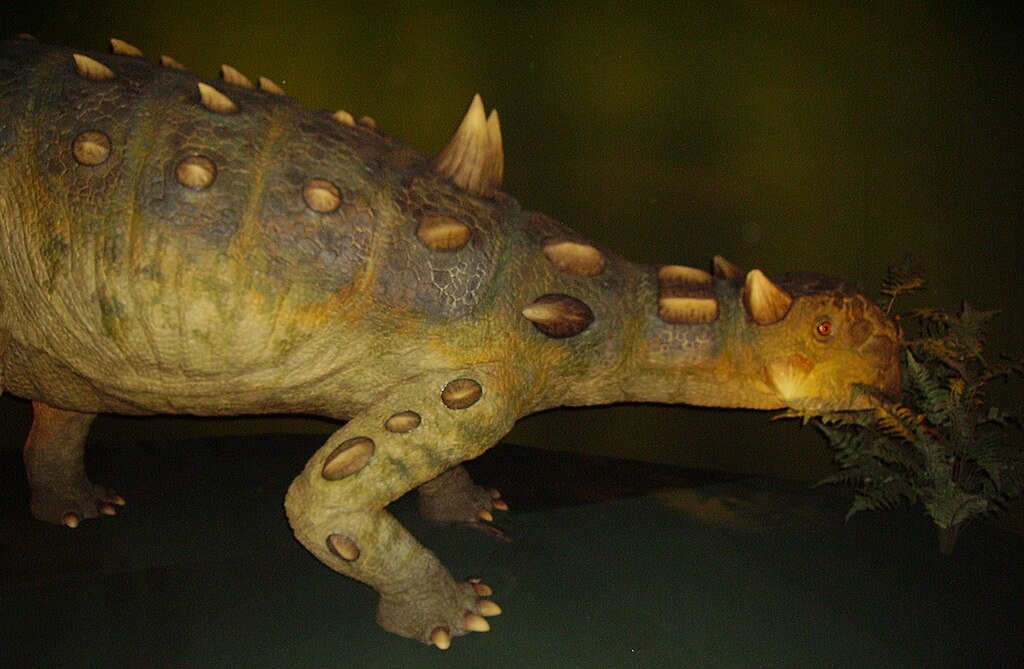
Euoplocephalus eating Animatronics model

Euoplocephalus: The Most Complete Armored Dinosaur Ever Found

Euoplocephalus, meaning “well-armored head,” stands as one of paleontology’s most significant discoveries in the study of armored dinosaurs. This remarkable Late Cretaceous thyreophoran has provided scientists with unprecedented insights into ankylosaur anatomy, behavior, and evolution due to the extraordinary completeness of recovered specimens. Unlike many dinosaur species known only from fragmentary remains, Euoplocephalus fossils include ...