Articles for author: Awais Khan

Ichthyosaurs first appeared in the early Triassic period, approximately 250 million years ago, evolving from terrestrial reptiles that returned to the sea.

How Ichthyosaurs Adapted to Life in Ancient Oceans

Ichthyosaurs represent one of the most remarkable examples of convergent evolution in the fossil record. These magnificent marine reptiles, whose name means “fish lizards,” dominated Earth’s oceans for over 150 million years during the Mesozoic Era. Despite being air-breathing reptiles that evolved from terrestrial ancestors, ichthyosaurs developed adaptations so specialized for aquatic life that they ...
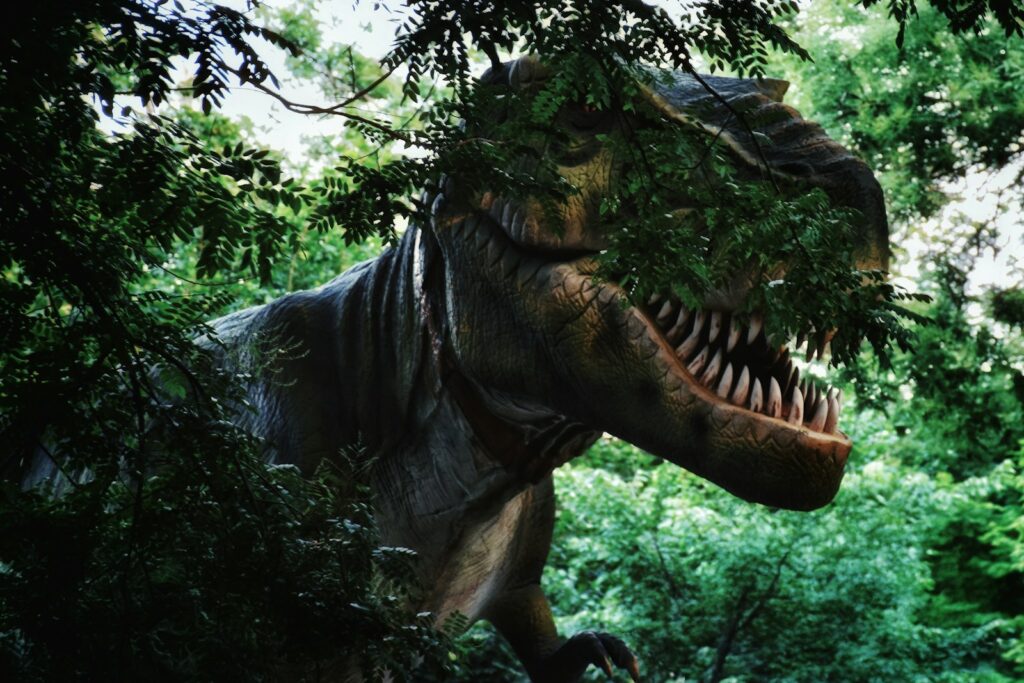
A tyrannosaurus rex lurks within lush foliage

The Word Dinosaur Doesn’t Mean What You Think It Does

When we hear the word “dinosaur,” most of us immediately picture massive, scaly creatures that roamed the Earth millions of years ago. From the towering Brachiosaurus to the fearsome Tyrannosaurus rex, these prehistoric beasts have captured our collective imagination through museum exhibitions, Hollywood blockbusters, and countless children’s books. But what if I told you that ...

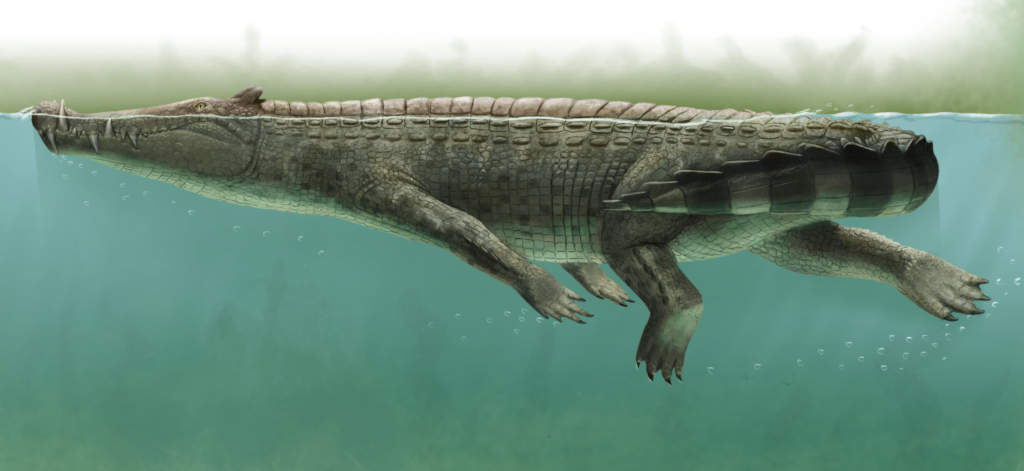
Illustration of a large prehistoric crocodile swimming underwater, showing detailed scales and powerful limbs, conveying a sense of ancient majesty.

From Crocodylomorphs to Otters: How Aquatic Life Evolved

The journey of terrestrial vertebrates back to aquatic environments represents one of evolution’s most fascinating narratives. Over millions of years, numerous lineages independently abandoned their terrestrial lifestyles to exploit the rich resources of rivers, lakes, and oceans. This remarkable story of convergent evolution spans diverse taxonomic groups, from ancient crocodylomorphs to modern otters, demonstrating how ...

A dinosaur model with an open mouth, resembling a T. rex, stands among lush green foliage and plants.

What the Mesozoic Sounded Like: From Roars to Rustling Ferns

The Mesozoic Era, from approximately 252 to 66 million years ago, represents one of the most fascinating chapters in Earth’s history. While we can visualize dinosaurs through fossils and artistic reconstructions, imagining the sounds of this ancient world presents a unique challenge. Scientists have made remarkable progress in reconstructing this lost soundscape through paleontological evidence, ...

Roy Chapman Andrews

Roy Chapman Andrews: The Real-Life Indiana Jones of Dinosaur Discovery

In the annals of exploration and paleontology, few figures loom as large as Roy Chapman Andrews, whose adventurous spirit and groundbreaking discoveries have cemented his legacy as one of history’s greatest fossil hunters. Born in 1884 in Beloit, Wisconsin, Andrews would go on to lead expeditions that revolutionized our understanding of prehistoric life and evolutionary ...

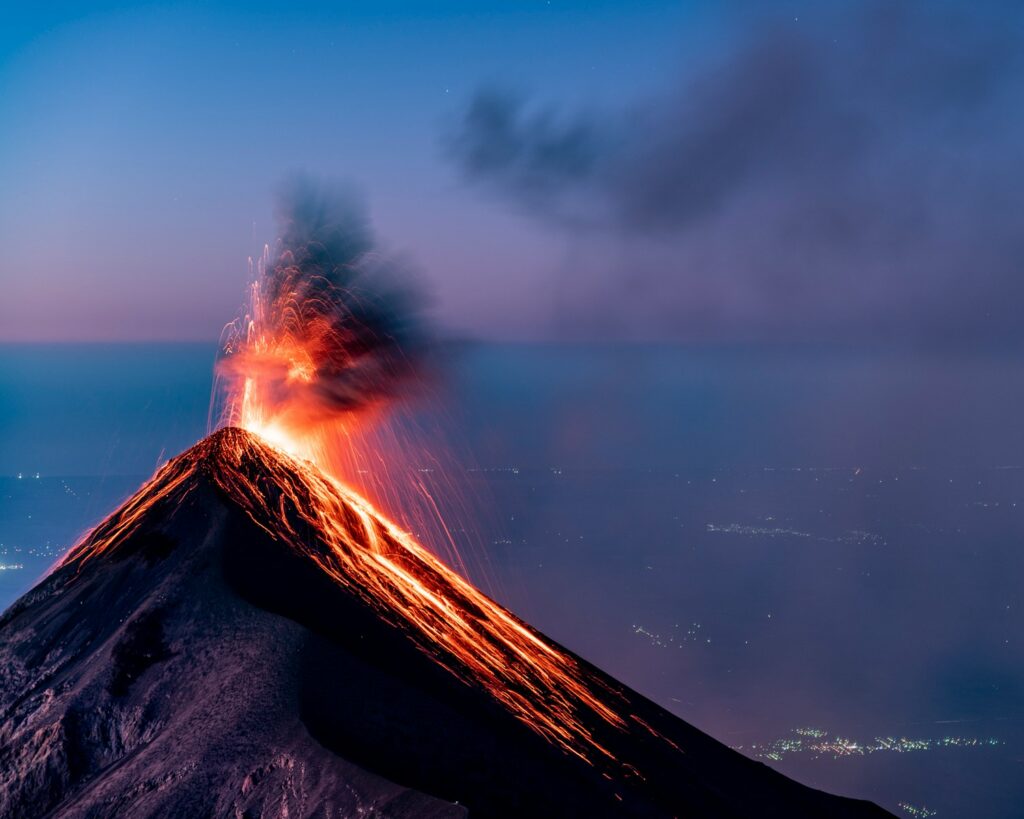
Eruptions triggered warming, acidification, and toxic oceans.

Volcanoes, Swamps, and Supercontinents: Dinosaurs’ Ever-Changing World

During the Mesozoic Era, spanning approximately 252 to 66 million years ago, dinosaurs ruled a planet that looked starkly different from our modern Earth. These magnificent creatures witnessed dramatic geological transformations that shaped their evolution and ultimately contributed to their extinction. From the breakup of the supercontinent Pangaea to massive volcanic eruptions and shifting environments, ...

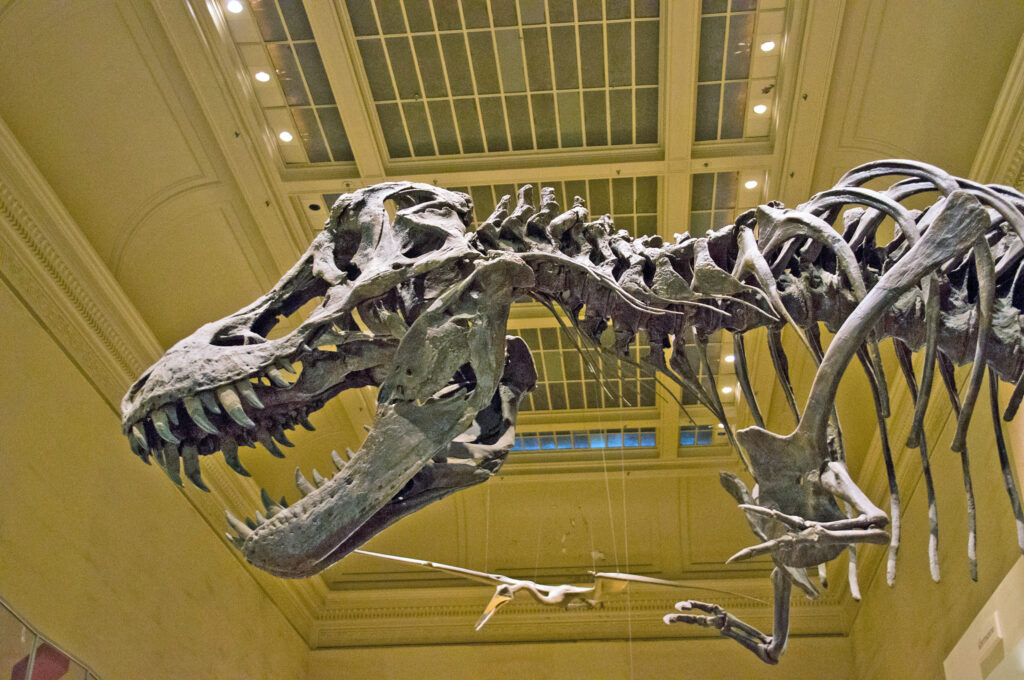
Tyrannosaurus Rex skeleton in Smithsonian National Museum of Natural History

The World’s Most Complete T-Rex: Where to See It

The Tyrannosaurus rex holds an unrivaled position in both scientific importance and popular imagination as the ultimate prehistoric predator. Among the various T. rex specimens discovered throughout history, one stands out for its exceptional completeness and preservation quality. This remarkable fossil, known as “Sue,” represents the pinnacle of paleontological discovery and offers invaluable insights into ...

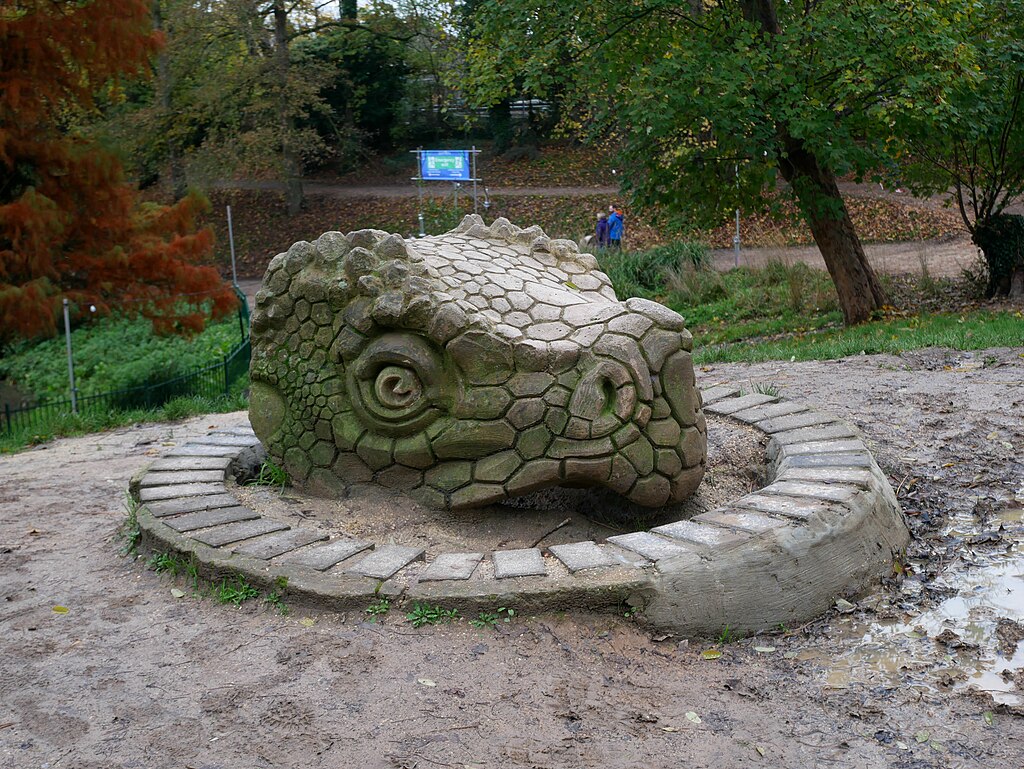
Hylaeosaurus Head at Crystal Palace Park

The Crystal Palace Dinosaurs: The World’s First Dino Theme Park

The Crystal Palace Dinosaurs stand as remarkable monuments to Victorian science and imagination, representing the world’s first attempt to visualize extinct prehistoric creatures in three-dimensional form for public education and entertainment. Created in the 1850s, these life-sized sculptures predate even the coining of the word “dinosaur” and emerged during a time when paleontology was in ...

Awais Khan

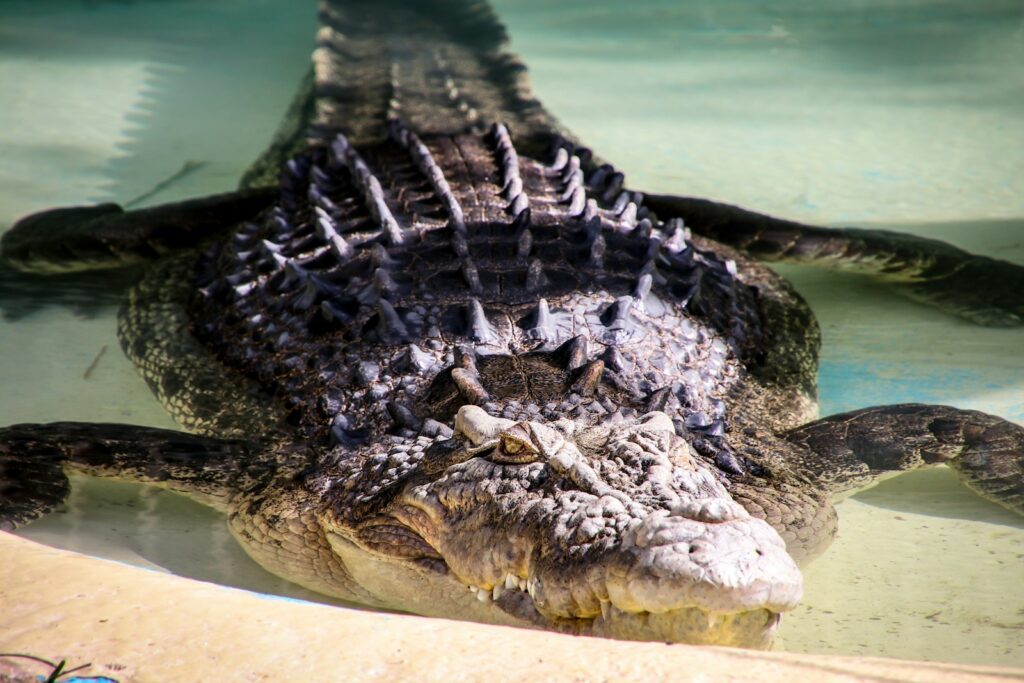
grey crocodile in body of water

What Modern Reptiles Reveal About Ancient Dinosaur Ecosystems

When we look at today’s reptiles—from sunbathing lizards to stealthy crocodiles—we’re witnessing living connections to the age of dinosaurs. Modern reptiles serve as ecological windows into prehistoric landscapes that vanished 66 million years ago. Through studying their behaviors, adaptations, and physiological mechanisms, scientists can construct more accurate models of dinosaur ecosystems. This biological bridge spans ...