Blog

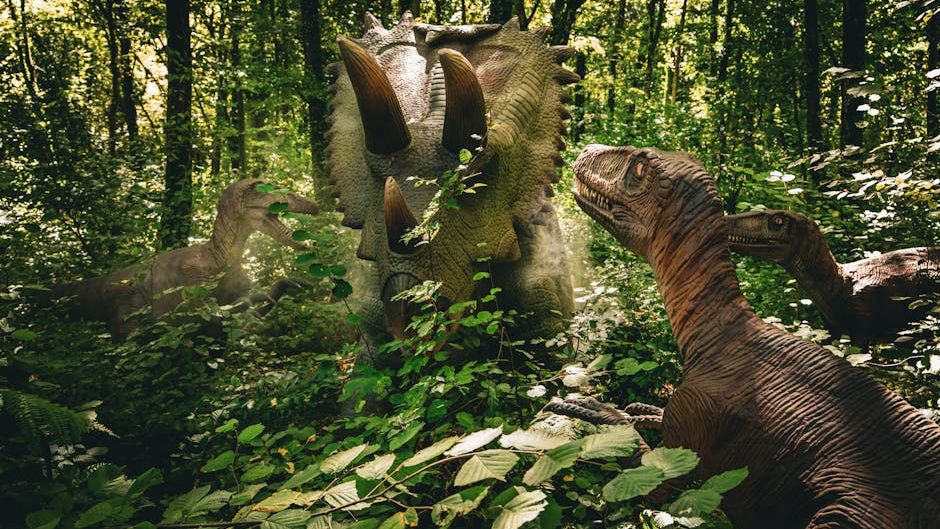
A lifelike dinosaur statue, resembling a Tyrannosaurus rex, stands in a lush, green forest. It has an open mouth displaying sharp teeth, conveying a fierce expression.

How Were Dinosaurs Distributed Across the Continents?

The story of dinosaur distribution across our planet is a fascinating journey through time, continents, and evolution. For over 160 million years, dinosaurs dominated Earth’s terrestrial ecosystems, establishing themselves on every continent, including Antarctica. Their global distribution wasn’t static but rather a dynamic pattern that evolved as continents drifted, climates changed, and species adapted. Understanding ...
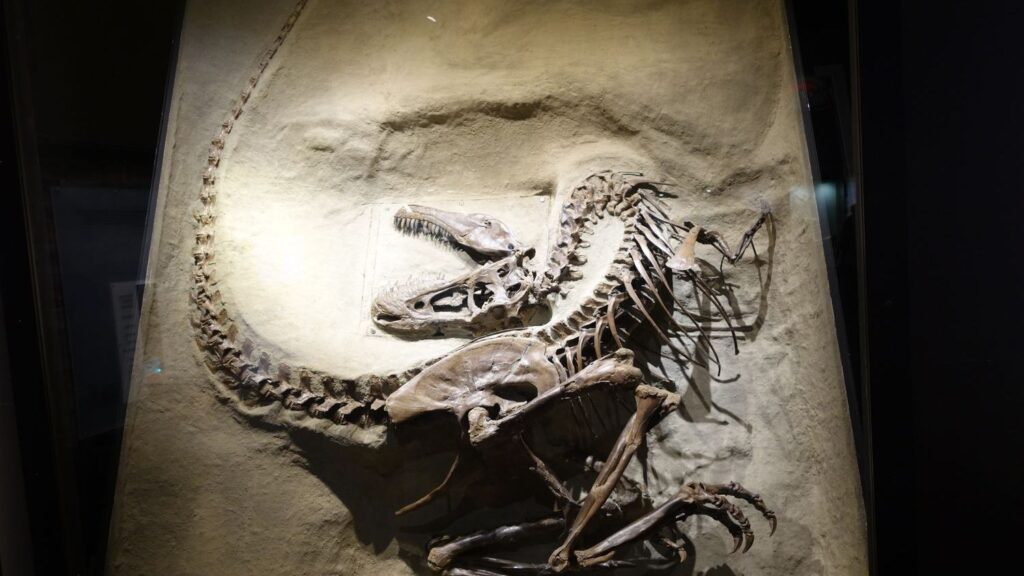
Ichthyosaurs first appeared in the early Triassic period, approximately 250 million years ago, evolving from terrestrial reptiles that returned to the sea.

How Ichthyosaurs Adapted to Life in Ancient Oceans

Ichthyosaurs represent one of the most remarkable examples of convergent evolution in the fossil record. These magnificent marine reptiles, whose name means “fish lizards,” dominated Earth’s oceans for over 150 million years during the Mesozoic Era. Despite being air-breathing reptiles that evolved from terrestrial ancestors, ichthyosaurs developed adaptations so specialized for aquatic life that they ...

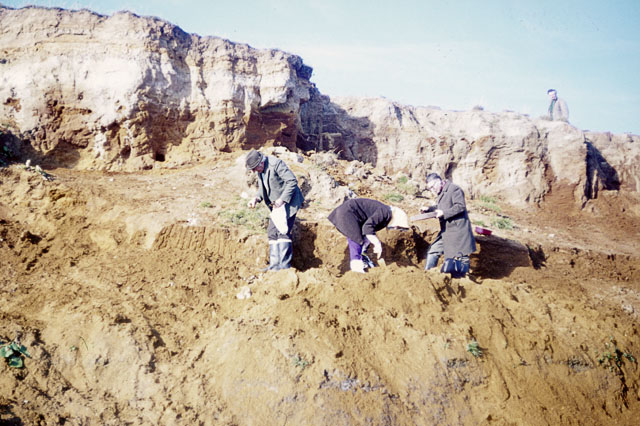
Group of people in coats digging into a sandy cliff

Is Digging for Fossils Hurting the Environment?

Fossil hunting has captivated human curiosity for centuries, offering tangible connections to Earth’s ancient past. From amateur collectors to professional paleontologists, the search for prehistoric remains continues to fascinate people worldwide. However, as this activity grows in popularity, important questions arise about its environmental impact. Does the extraction of fossils harm delicate ecosystems? Are we ...