Blog

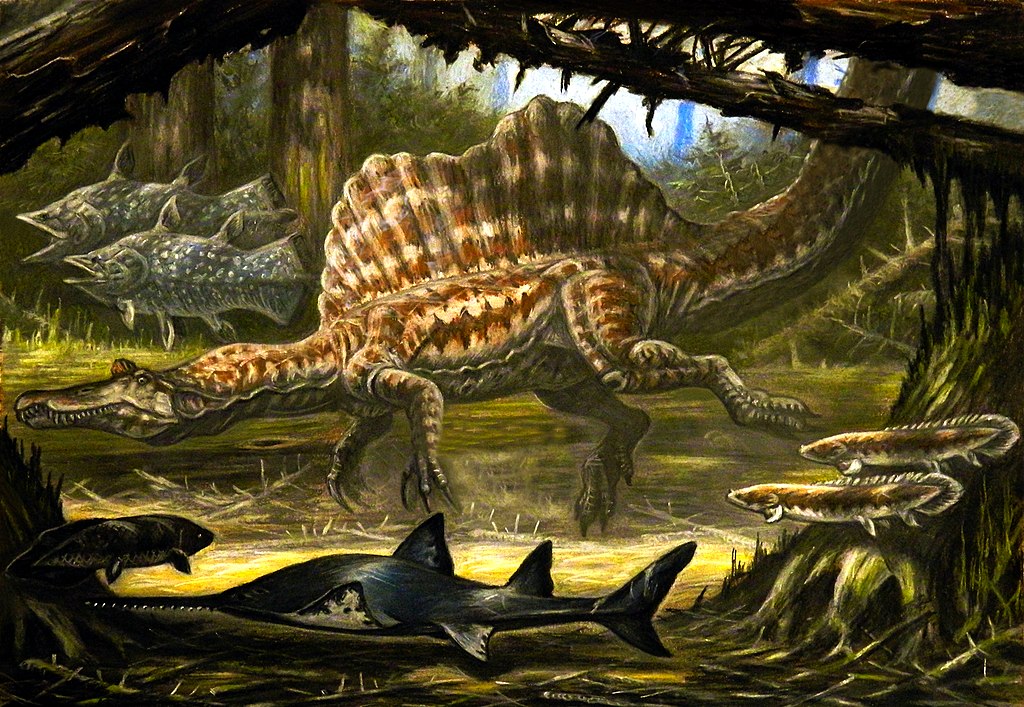
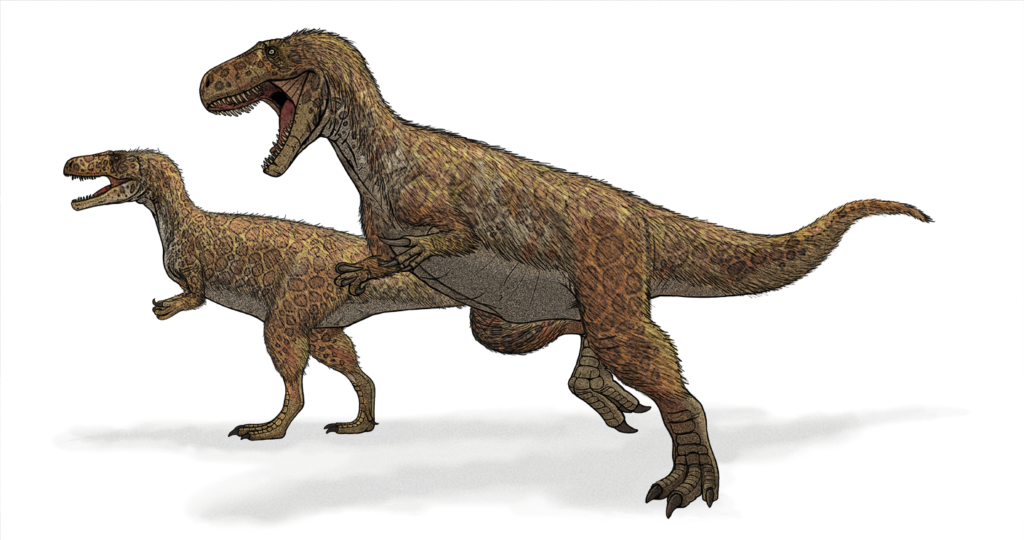
The mystery of how Spinosaurus moved, both on land and in water, continues to spark heated debates among paleontologists, with each new discovery offering fresh insights into its unique biology.

Spinosaurus: The Aquatic Predator That’s Still Changing Shape

In the vast catalog of prehistoric beasts, few have undergone as many dramatic scientific reimaginings as Spinosaurus aegyptiacus. This massive theropod dinosaur from the Cretaceous period has transformed in our scientific understanding from a standard terrestrial predator to what many paleontologists now consider the first known semi-aquatic dinosaur. The story of Spinosaurus is not just ...

The Difference Between Remembering and Revenge

Which Zodiac Signs Never Forget a Betrayal

When someone crosses you, they reveal their true nature. Yet not everyone reacts the same way to betrayal. While some people choose to forgive and move on, others embed the hurt so deeply in their emotional memory that forgetting becomes impossible. The stars might hold answers to why certain individuals carry the weight of past ...

10 Subtle Signs You're Emotionally Numb - Not Calm

10 Subtle Signs You’re Emotionally Numb – Not Calm

Have you ever found yourself floating through life, neither here nor there? Perhaps you’ve been praised for being so calm under pressure, so collected when others lose their cool. Here’s the thing, though. What if that calmness isn’t quite what it seems? Calmness nurtures your well-being, while emotional numbness can silently isolate you from yourself ...

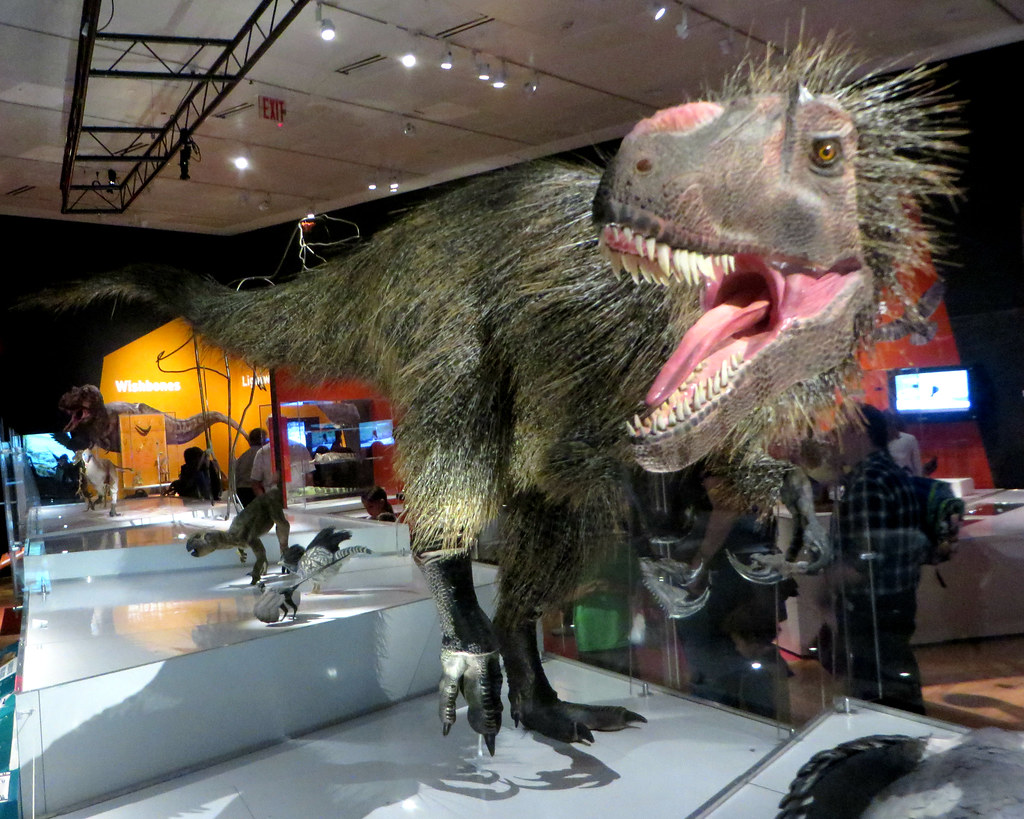
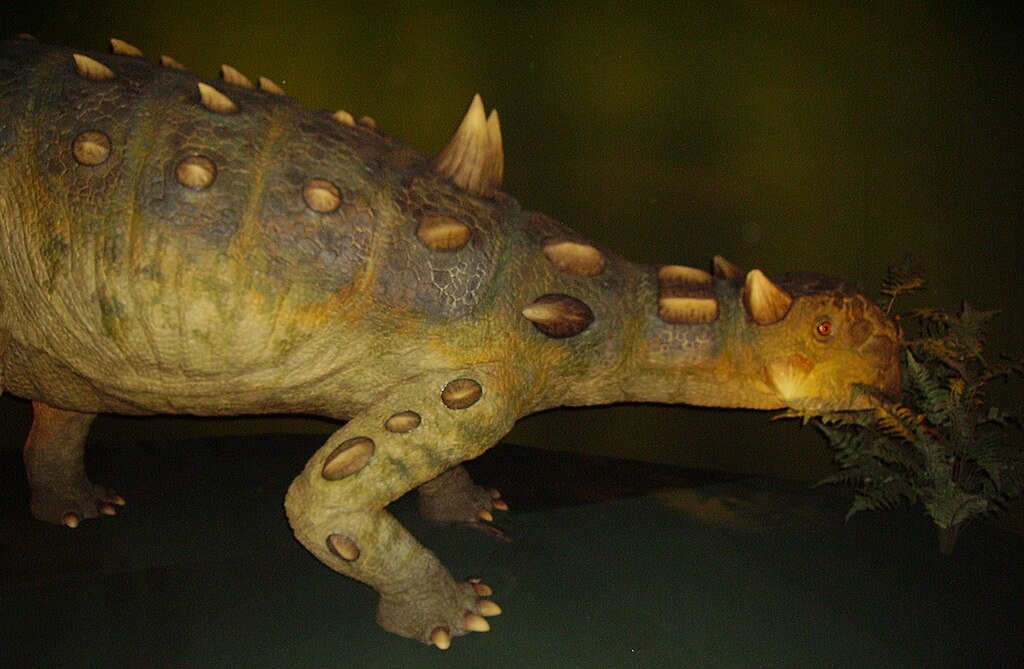
Euoplocephalus eating Animatronics model

Euoplocephalus: The Most Complete Armored Dinosaur Ever Found

Euoplocephalus, meaning “well-armored head,” stands as one of paleontology’s most significant discoveries in the study of armored dinosaurs. This remarkable Late Cretaceous thyreophoran has provided scientists with unprecedented insights into ankylosaur anatomy, behavior, and evolution due to the extraordinary completeness of recovered specimens. Unlike many dinosaur species known only from fragmentary remains, Euoplocephalus fossils include ...