Articles for category: Prehistoric Discoveries

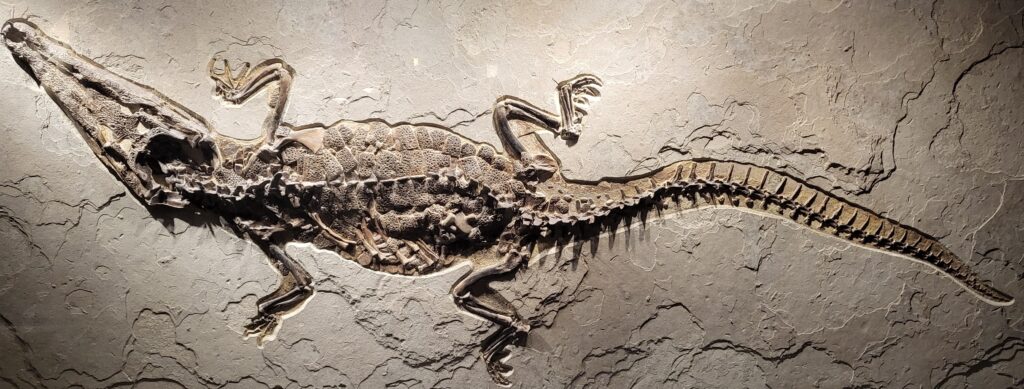
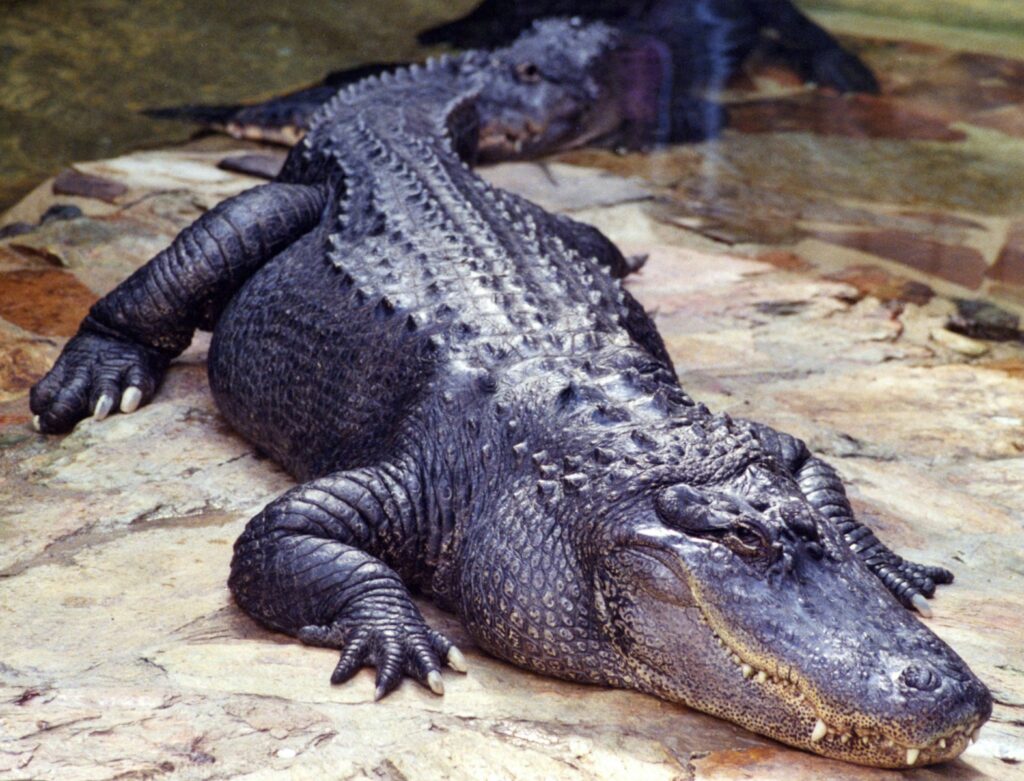
Crocodiles and alligators, alongside birds, are the closest living kin to dinosaurs.

How Alligators Outsmarted Extinction Events

When dinosaurs and countless other species perished in catastrophic extinction events, alligators somehow survived. These armored reptiles have demonstrated remarkable resilience through multiple mass extinctions, climate shifts, and habitat changes over millions of years. As living fossils, alligators provide a window into prehistoric times, having maintained much of their ancient anatomy and behaviors while adapting ...
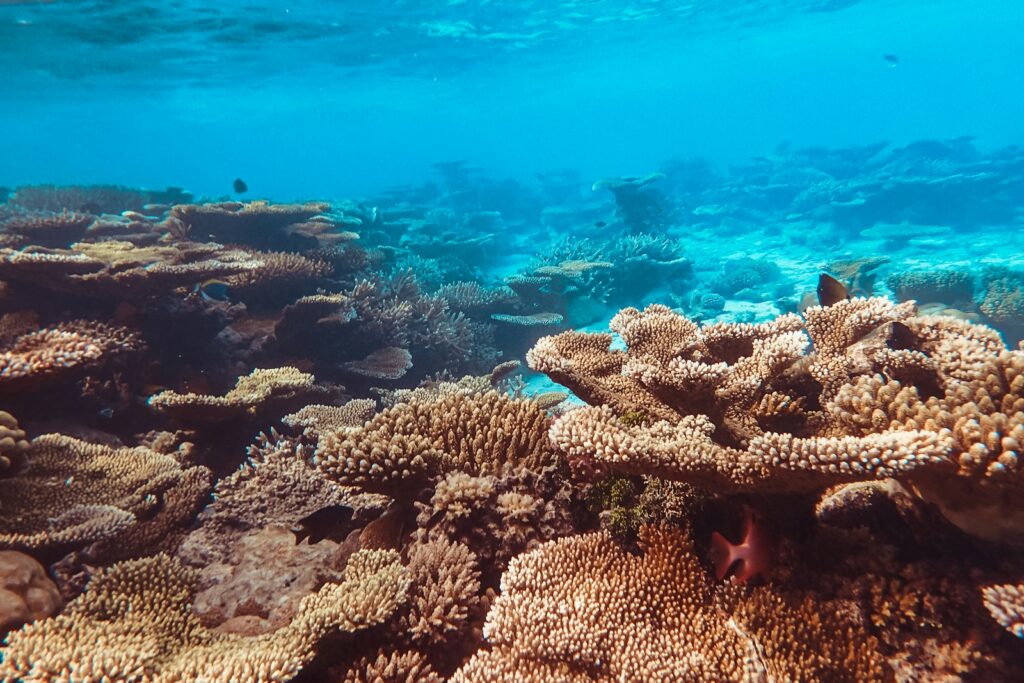
Scleractinian Corals

What Fossilized Coral Reefs Reveal About Ancient Climate Change

Ancient coral reefs, preserved as fossils for millions of years, serve as remarkable natural archives of Earth’s climate history. Like tree rings or ice cores, these marine structures contain chemical signatures and physical characteristics that provide scientists with detailed insights into past environmental conditions. As climate change increasingly affects our modern world, these fossilized reefs ...

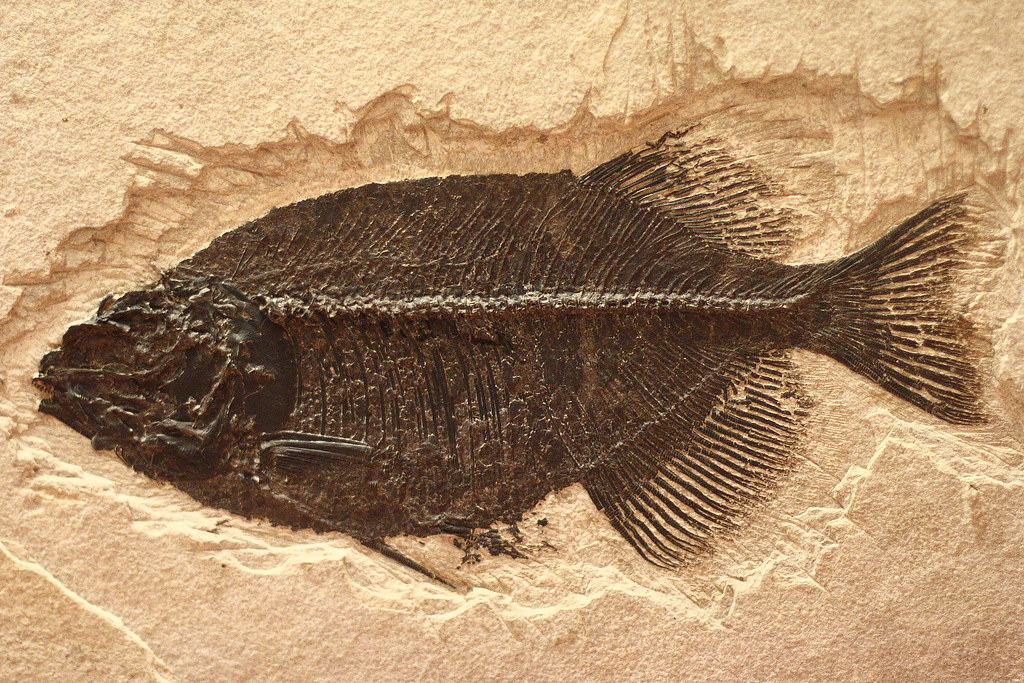
The discovery of marine fossils alongside dinosaur remains illuminates the complex ecological connections that existed between terrestrial and marine environments during the Mesozoic Era.

Ancient Water Dwellers: What Dinosaurs Shared Their World With Otter Ancestors?

The ancient waterways of Earth tell a fascinating story of coexistence between different evolutionary lineages that few people realize. While dinosaurs dominated the Mesozoic Era (252-66 million years ago), the early ancestors of modern mammals, including the predecessors of today’s playful otters, were already developing their evolutionary pathways. These ancient water-dwelling mammals navigated the same ...