Articles for category: Prehistoric Environment

The Great Pangaean Desert

The Supercontinent Pangaea: Why It Mattered to Dinosaurs

In the vast timeline of Earth’s history, few geological features have played as significant a role in shaping life as Pangaea, the supercontinent that once dominated our planet. This massive landmass, existing approximately 335 to 175 million years ago, created the stage upon which dinosaurs would evolve, thrive, and diversify. Pangaea’s existence fundamentally shaped dinosaur ...

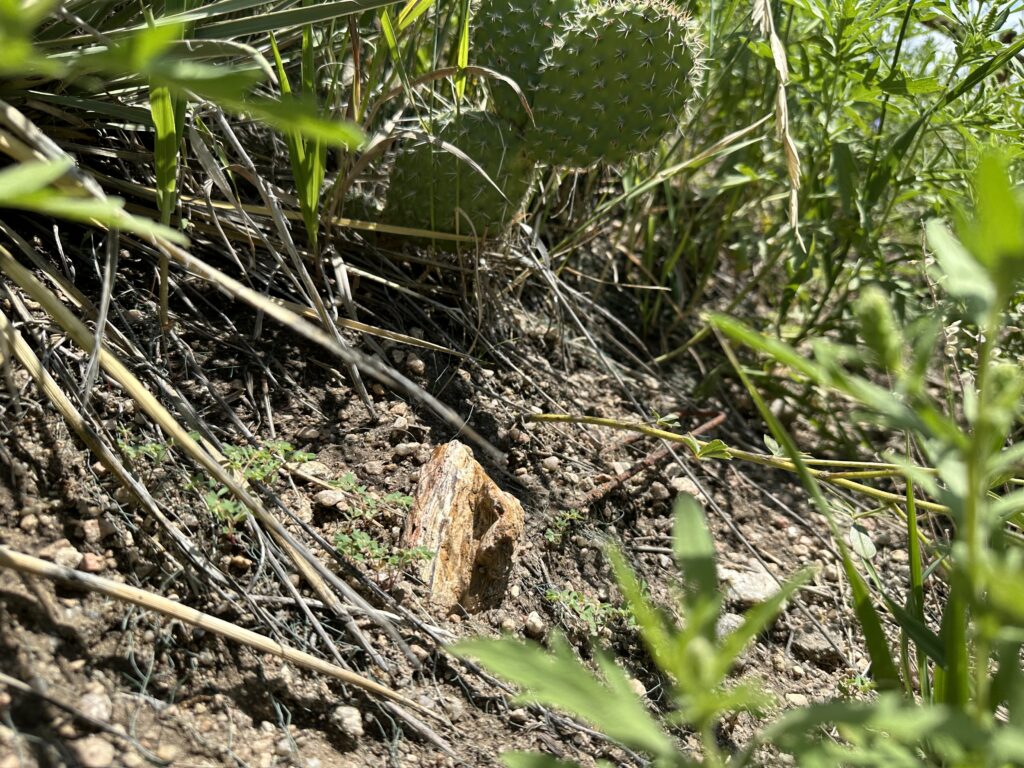
Close-up of a dry, rocky terrain with a small cactus and sprouting grass. Sunlight highlights the textures, creating a calm, arid atmosphere.

What Fossilized Forests Tell Us About Earth’s Deep Past

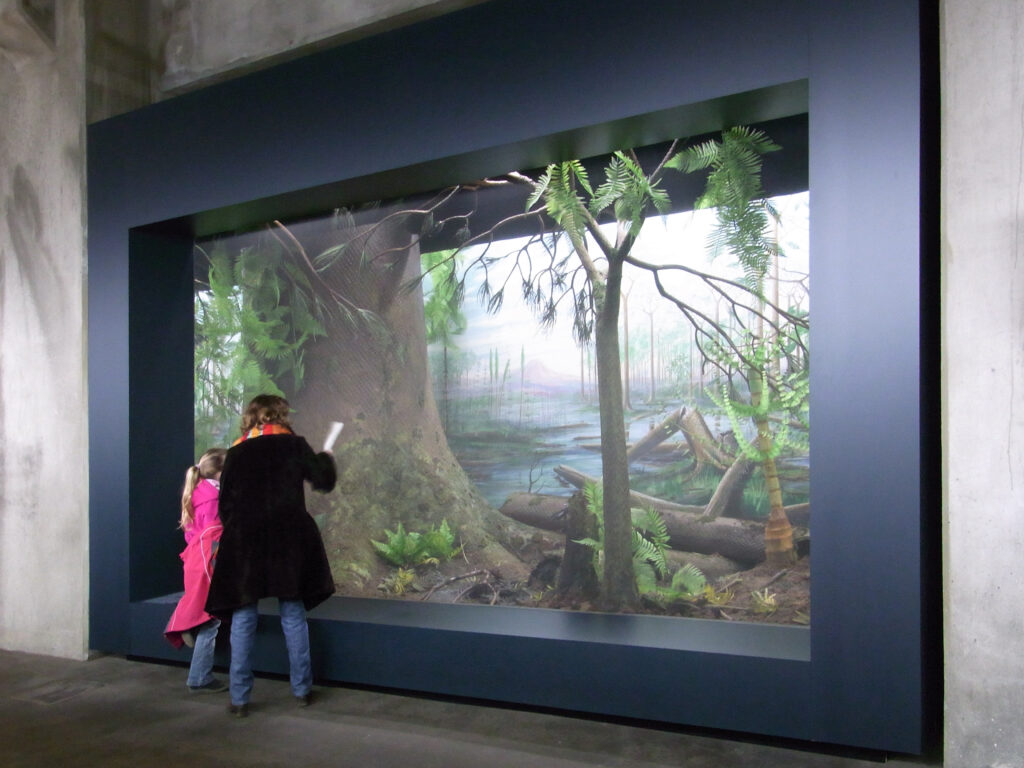
Ancient trees, preserved in stone, offer us windows into worlds long vanished. Fossilized forests—sometimes called petrified forests—stand as some of our most dramatic connections to Earth’s distant past. These remarkable geological treasures preserve not just individual trees but entire ecosystems frozen in time. By studying these stone forests, scientists can reconstruct ancient environments, track climate ...

What Earth Smelled Like During the Jurassic Period

What Earth Smelled Like During the Jurassic Period

Step into a time machine and journey back about 200 to 145 million years ago to . Imagine breathing in air that was completely different from our modern atmosphere. The world would have assaulted your senses in ways you’ve never experienced. During this remarkable time, Earth was a planet transformed. The air itself carried aromas ...

The transition from a lush, forested Antarctica to the ice-covered continent we know today didn’t happen overnight but occurred through a series of climate shifts spanning millions of years.

What Ice-Free Poles Meant for Dinosaur Migration

The ice-free polar regions of the Mesozoic Era present a fascinating geological and paleontological context that fundamentally shaped dinosaur evolution and migration patterns. Unlike today’s frozen Arctic and Antarctic landscapes, the poles during the dinosaur age were remarkably warm, hospitable environments that supported diverse ecosystems. This absence of polar ice caps created unique opportunities for ...

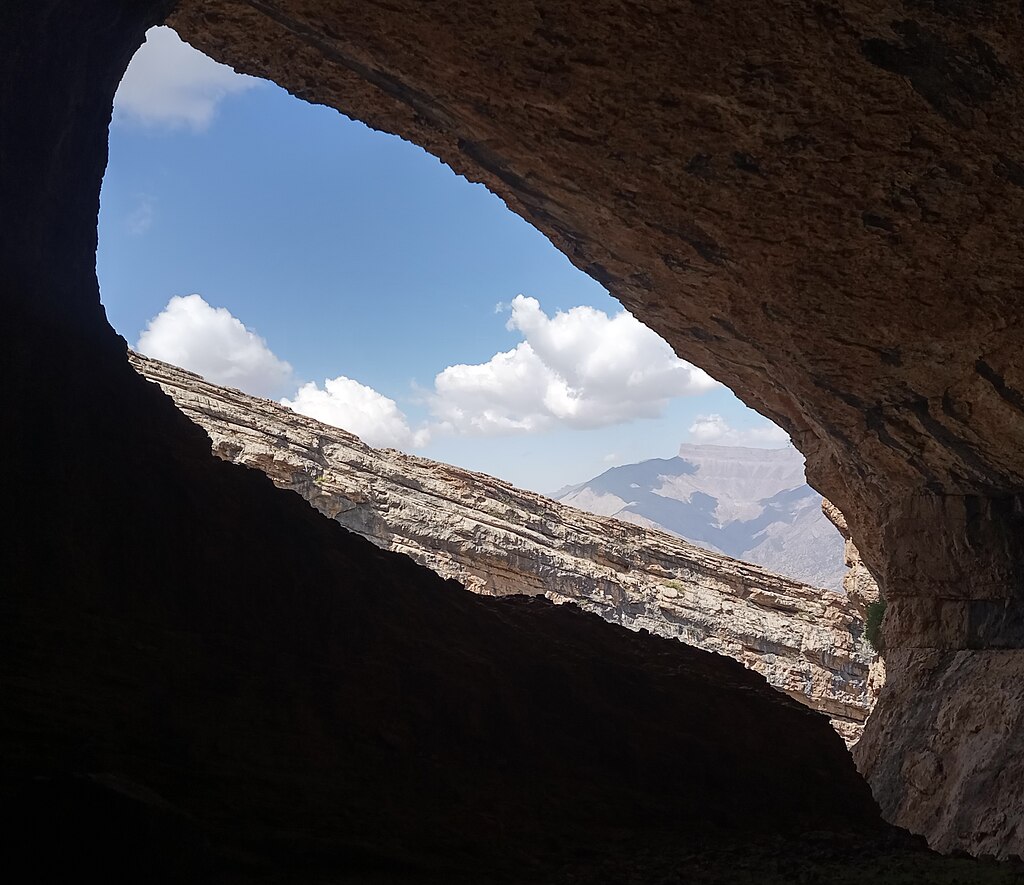
Cropped photo of a grotto on Chul-Bair mountain, Uzbekistan, in a canyon with dinosaur footprints, above the cave Boybuloq

How Fossilized Burrows Are Changing What We Know About Dinosaur Behavior

For decades, our understanding of dinosaurs came primarily from their skeletal remains, giving us insights into their physical characteristics but leaving many behavioral questions unanswered. In recent years, however, a revolution has been quietly taking place in paleontology through the study of fossilized burrows. These preserved tunnels and chambers, created by dinosaurs and their contemporaries, ...