Articles for author: Lovely Aquino

Tiktaalik fossil

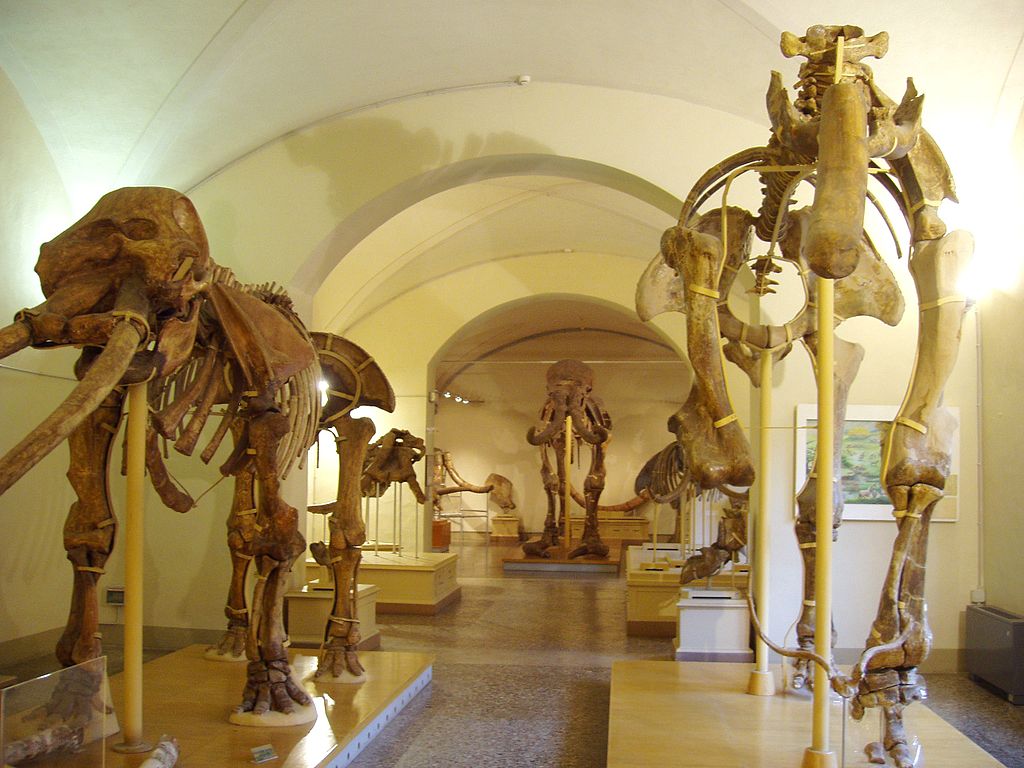
What Are Transitional Fossils and Why Do They Matter?

Deep within the Earth’s strata lie some of the most compelling evidence for evolution—transitional fossils. These remarkable specimens document crucial evolutionary moments when one group of organisms was evolving into another, providing us with snapshots of life’s incredible journey across time. Transitional fossils bridge morphological gaps between major groups of organisms, offering scientists invaluable insights ...

Gobi Desert landscape. Dornogovi Province, Mongolia

Dinosaurs in the Desert: How They Survived Harsh Climates

Imagine vast stretches of scorching sand, minimal water sources, and extreme temperature fluctuations – conditions that challenge even today’s most adapted desert creatures. Yet, millions of years ago, various dinosaur species not only survived but thrived in these harsh desert environments. The discovery of dinosaur fossils in what were once ancient deserts has opened fascinating ...

Mosasaurus ichthyosaurus

Marine Reptiles vs. Ancient Sharks: Who Ruled the Waters?

The prehistoric oceans were arenas of epic power struggles, dominated by creatures that would make today’s marine life seem tame by comparison. For over 250 million years, various apex predators vied for supremacy in Earth’s ancient seas. Two groups stand out in this underwater competition for dominance: the fearsome marine reptiles—like ichthyosaurs, plesiosaurs, and mosasaurs—and ...

Compsognathus

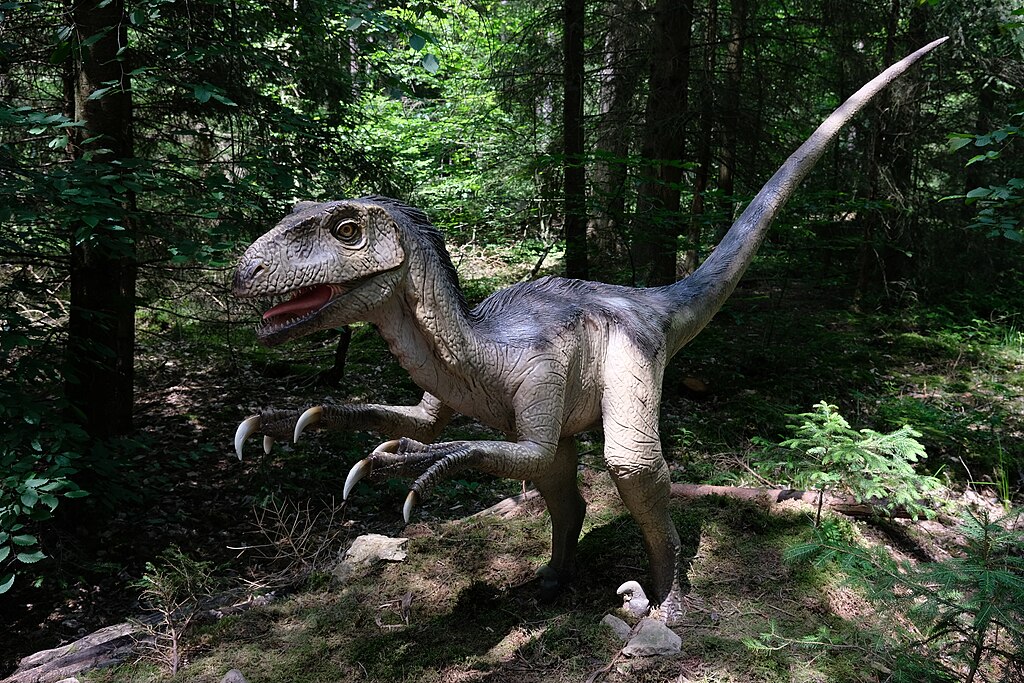
Tiny but Deadly: The Smallest Predatory Dinosaurs in Prehistory

When we think of dinosaurs, colossal beasts like Tyrannosaurus rex and Brachiosaurus often come to mind. However, the prehistoric world was also home to remarkably small predatory dinosaurs that wielded outsized influence in their ecosystems. These diminutive hunters proved that lethal efficiency didn’t always require massive size. From the chicken-sized Compsognathus to the cat-sized Microraptor, ...

Ndeveni - The Ostrich Run at Maasai Mara Game Park

Ostriches and Emus: Echoes of Prehistoric Giants

When we observe the towering ostrich strutting across African savannas or watch an emu loping through the Australian outback, we’re witnessing living relics of Earth’s ancient past. These remarkable birds represent an evolutionary lineage connecting us directly to the dinosaur era. Standing as the largest and second-largest living birds respectively, ostriches and emus belong to ...

Hadrosaur skin

Could Dinosaurs Have Had Colorful, Camouflaged Skin?

For generations, dinosaurs were depicted in popular culture with dull, reptilian gray or green skin. This assumption, based largely on their relationship to modern reptiles, persisted without strong scientific evidence. However, recent paleontological discoveries have dramatically transformed our understanding of dinosaur appearance. Far from the monochromatic creatures of old films and illustrations, evidence now suggests ...

Boterbloem (Ranunculus)

Did Toxic Plants Help Drive Dinosaurs to Extinction?

For 165 million years, dinosaurs dominated Earth’s ecosystems. Then, rather suddenly in geological terms, they vanished – leaving behind only their avian descendants. While most scientists agree that an asteroid impact played a major role in the mass extinction event at the end of the Cretaceous period, emerging research suggests a more complex narrative. Could ...

Philip Currie

Philip Currie: The Canadian Pioneer Who Rewrote the Raptor Story

Philip Currie stands as one of paleontology’s most influential figures, a Canadian scientist whose groundbreaking work on dinosaurs—particularly theropods and their evolutionary connection to birds—has fundamentally reshaped our understanding of these ancient creatures. From the badlands of Alberta to the Gobi Desert, Currie’s five-decade career has been marked by spectacular discoveries, methodological innovations, and a ...

Indian Ocean - Sri Lankan coastal line

What If Dinosaurs Had Lived on Other Continents That Sank Beneath the Oceans?

The history of life on Earth remains one of our most fascinating scientific narratives, with dinosaurs occupying a particularly special place in our collective imagination. For over 165 million years, these magnificent creatures dominated terrestrial ecosystems across the globe. But what if the fossil record we have today represents only a fraction of dinosaur diversity? ...