Articles for author: Saman Zehra

a statue of a dinosaur in a grassy area

How Dinosaurs Grew So Big: Unraveling the Sauropod Gigantism Puzzle

Picture this: a creature stretching longer than three school buses parked end-to-end, weighing as much as twelve elephants, yet somehow managing to walk the Earth with grace. The sauropod dinosaurs achieved sizes that seem almost impossible today, creating one of paleontology’s most fascinating mysteries. These gentle giants dominated landscapes for over 140 million years, reaching ...

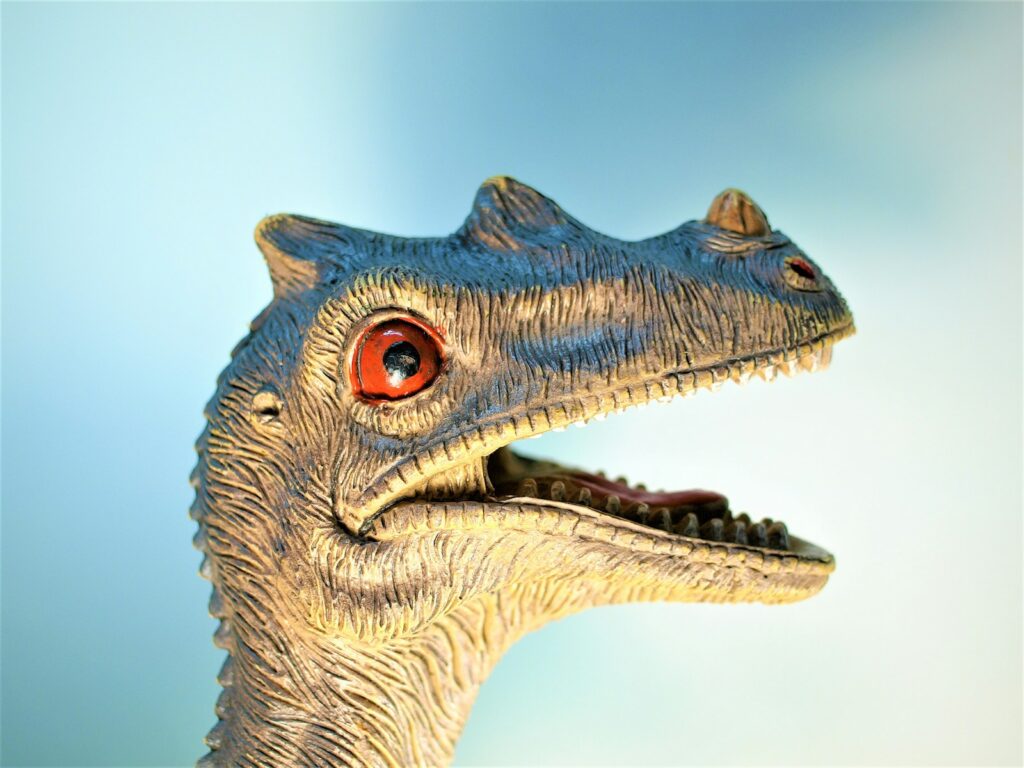
green and brown dragon statue

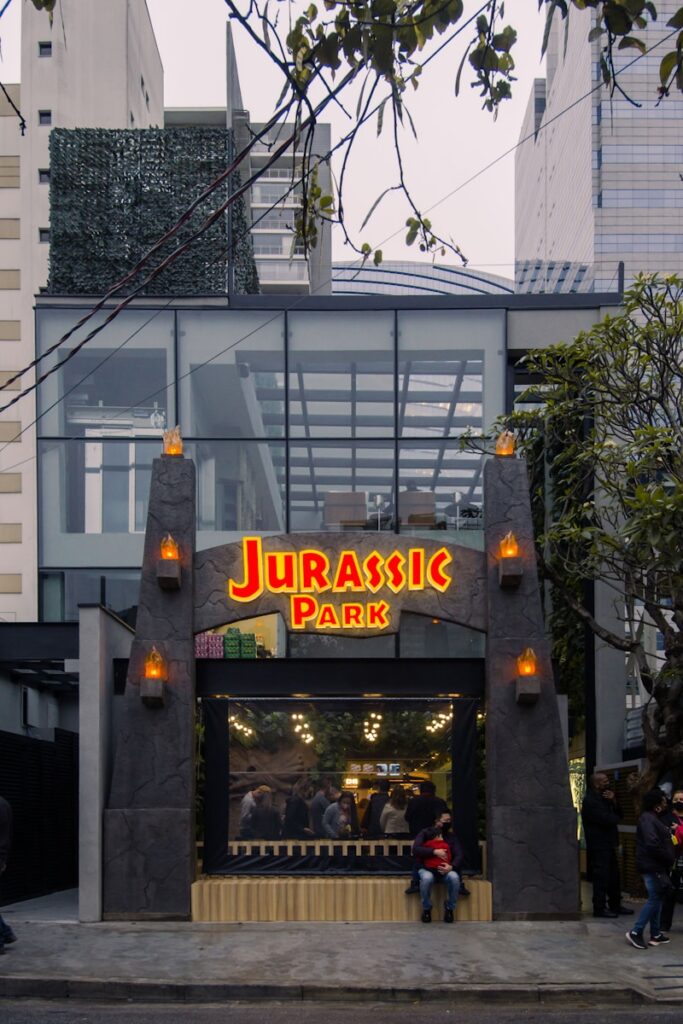
Science vs. Cinema: What Dino Films Get Right (and Wrong)

Ever since the first dinosaur roared across the silver screen, Hollywood has been locked in an epic battle between scientific accuracy and pure entertainment value. From the groundbreaking special effects of “Jurassic Park” to the monster mayhem of “Godzilla,” filmmakers have shaped our understanding of these prehistoric giants in ways both spectacular and spectacularly wrong. ...

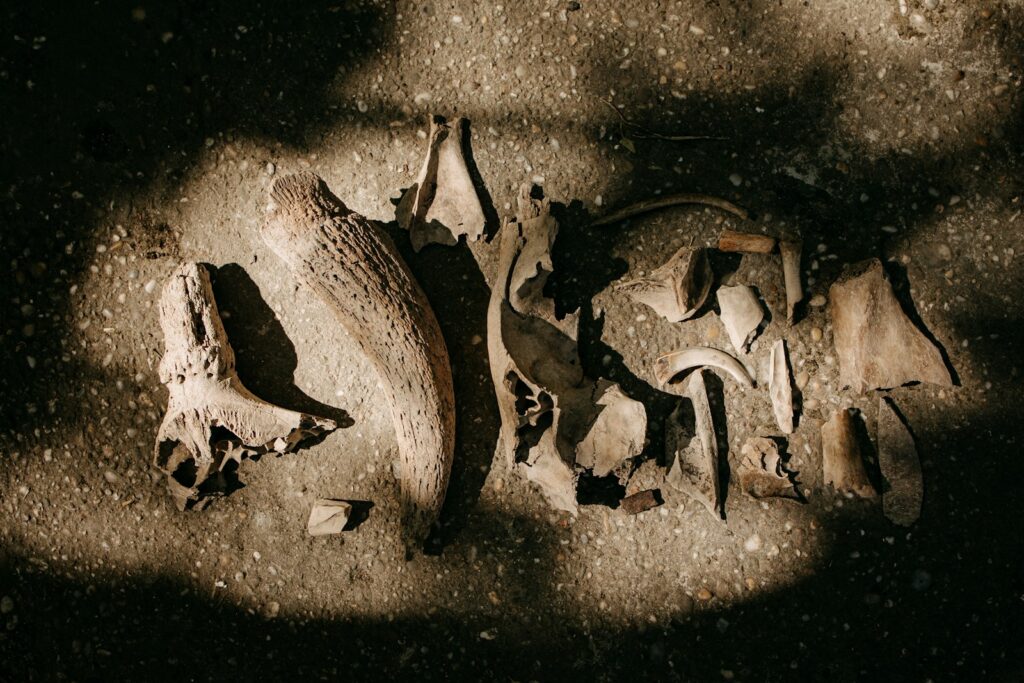
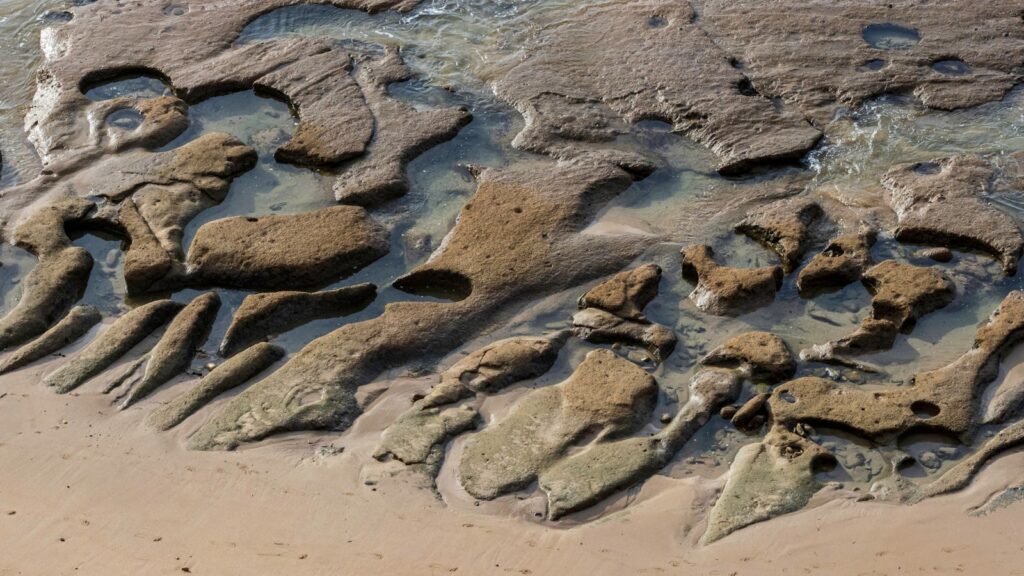
a close-up of some rocks

Why We’ll Never Clone a Dinosaur: The Science Behind DNA’s Expiration Date

The iconic scene from Jurassic Park where scientists extract dinosaur DNA from mosquitoes trapped in amber has captivated audiences for decades. This Hollywood magic sparked a global fascination with the possibility of bringing these magnificent creatures back to life. However, the harsh reality of molecular biology tells a dramatically different story than Steven Spielberg’s blockbuster ...

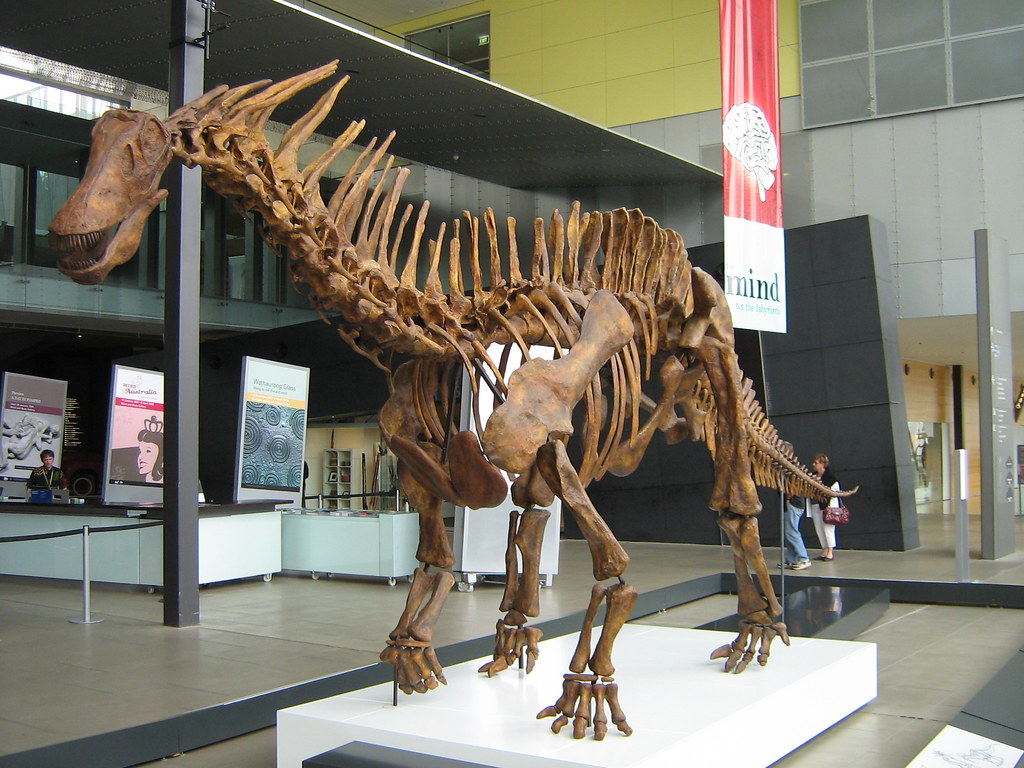
A skeleton of a dinosaur laying on the ground

How Mongolia Became a Hotspot for Truly Bizarre Dinosaurs

Deep in the heart of Mongolia’s windswept deserts, paleontologists have been making discoveries that challenge everything we thought we knew about dinosaur evolution. This landlocked nation, sandwiched between Russia and China, has become the world’s most prolific source of bizarre, unprecedented dinosaur species that seem to defy the laws of prehistoric biology. From tiny feathered ...

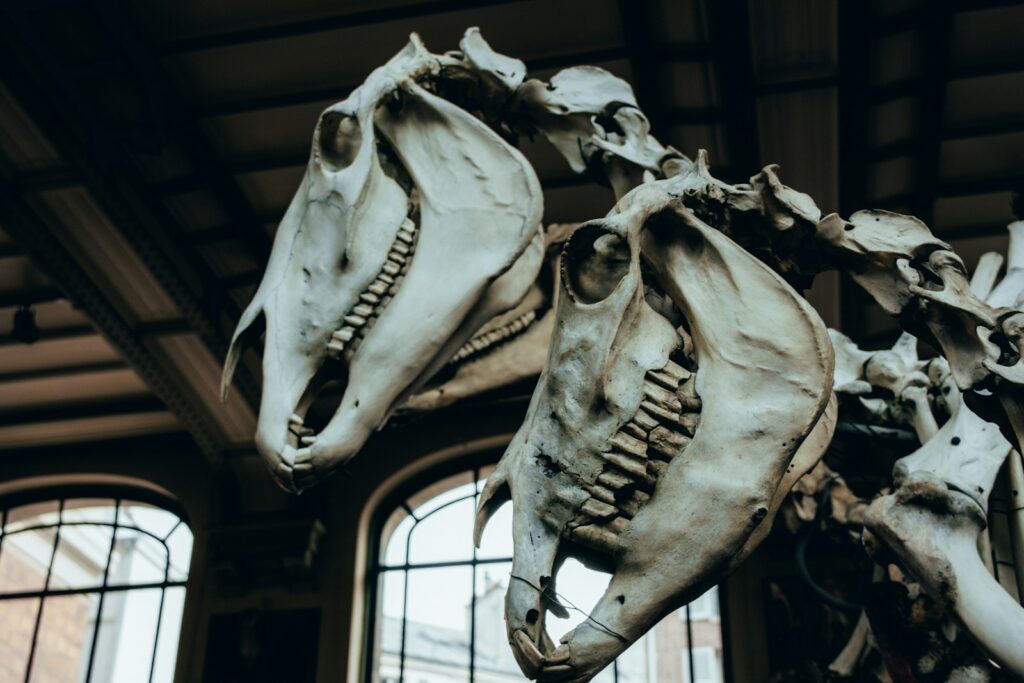
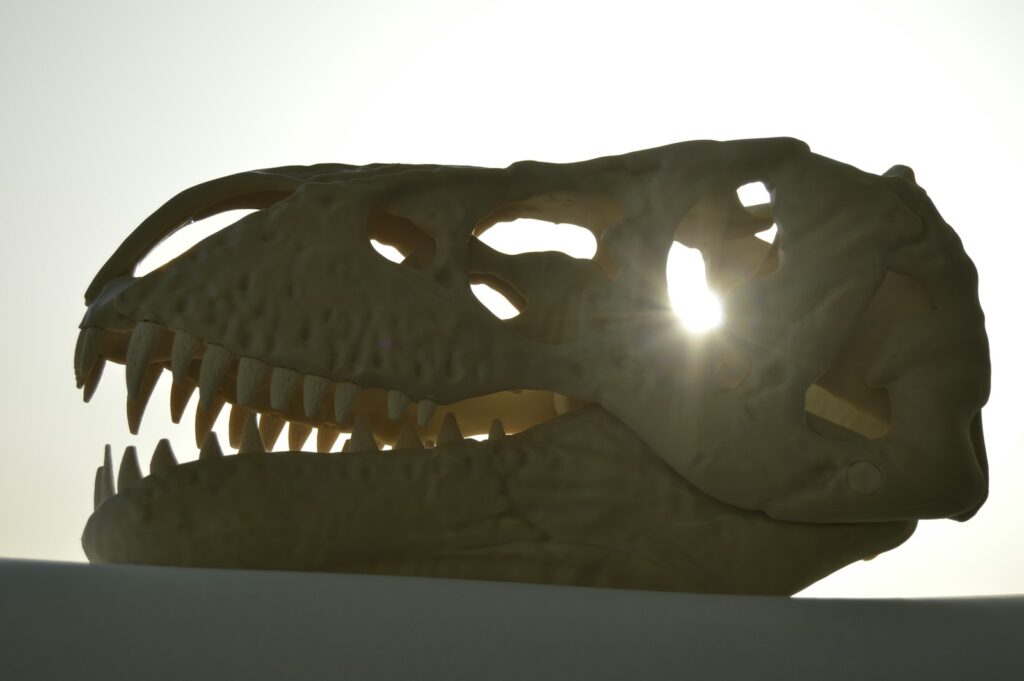
A dinosaur skull is lit up in the dark

Jurassic Ecosystem Secrets: What Modern Scientists Learned from Brachiosaurus Fossils

Imagine towering giants that made the ground shake with every step, their necks stretching toward the sky like living skyscrapers. These weren’t mythical creatures from fairy tales, but real animals that walked our planet over 150 million years ago. Today, every fossilized bone tells a story that’s rewriting what we thought we knew about ancient ...

animal skeleton

The First Dinosaur Bone Ever Discovered — and Who Found It

Picture this: it’s 1676, and a curious Oxford professor stumbles upon a massive, mysterious bone that would challenge everything humanity thought it knew about Earth’s ancient past. This wasn’t just any ordinary fossil discovery — it was the very first dinosaur bone ever found, though it would take another 150 years before anyone even knew ...

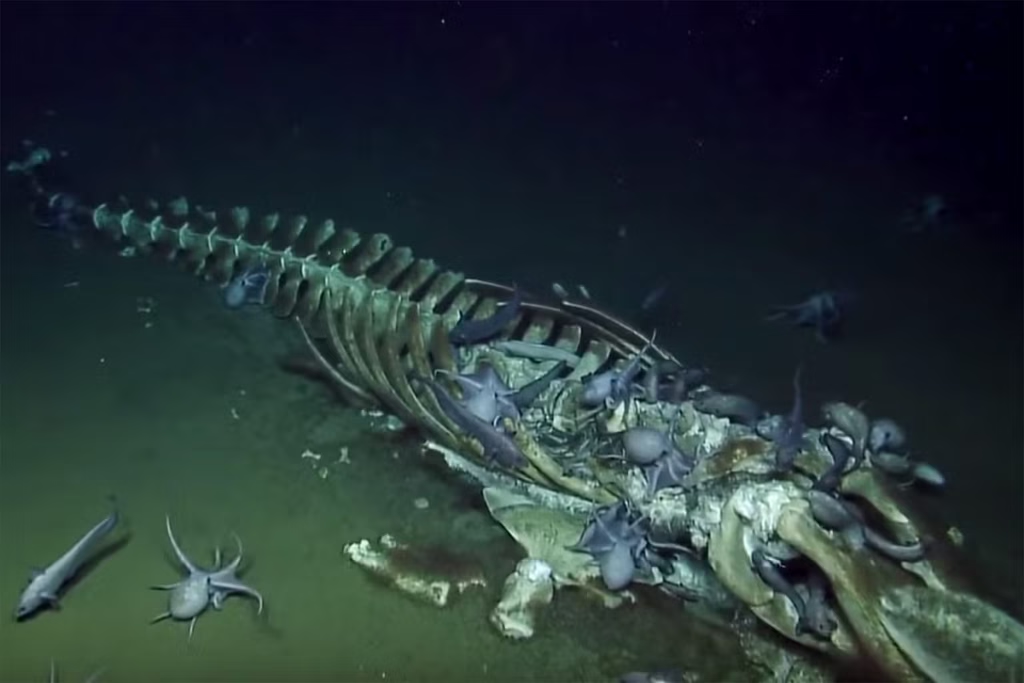
a group of animals in space

Earth’s Ever-Changing Day Length: From Dinosaurs to Now

Imagine standing in the footsteps of a mighty Tyrannosaurus rex, watching the sun set over an ancient landscape. But here’s something that might blow your mind: that prehistoric sunset would have arrived much sooner than today’s. The day that T-rex experienced was only about 23 hours long, not the 24 hours we’re accustomed to. This ...

a fish swimming in water

Why Cretaceous Seas Were the Most Dangerous Waters Ever

Imagine diving into an ocean where giants ruled supreme, where a single breath could be your last, and where creatures lurked in the depths that would make today’s Great White sharks look like minnows. Welcome to the Cretaceous seas—a watery nightmare that existed between 145 and 66 million years ago. These ancient oceans weren’t just ...

An image of a dinosaur in the wild

What Each Dinosaur Era Reveals About Evolution

Imagine walking through a prehistoric world where colossal beasts thunder across ancient landscapes, their every footstep echoing through time to tell us stories of survival, adaptation, and the relentless march of evolution. The dinosaurs didn’t just rule the Earth for over 160 million years—they rewrote the very rules of life itself, leaving behind clues that ...