Blog

Arctic Adaptations and Feeding Behaviors

What Dinosaurs Ate in Winter

The question of how dinosaurs survived has puzzled scientists for decades. While we often picture these ancient giants roaming through tropical swamps and steamy forests, the reality is far more complex and fascinating. Recent discoveries of dinosaur fossils in polar regions and sophisticated analyses of their stomach contents have revealed remarkable survival strategies that challenge ...
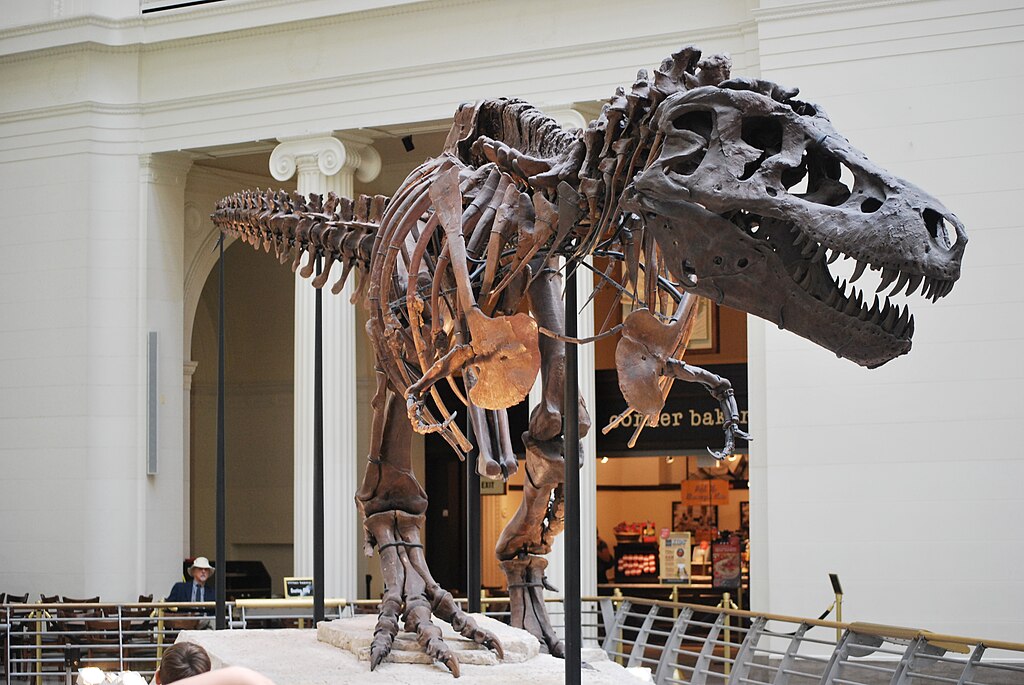
Sue the T-Rex at the Field Museum of Natural History, Chicago, IL

The T-Rex Skeleton That Sparked a Paleontology Turf War

In the summer of 1990, a remarkable discovery in the badlands of South Dakota set the stage for one of paleontology’s most notorious legal battles. Sue, the largest and most complete Tyrannosaurus rex skeleton ever found, became the center of a complex ownership dispute that would reshape museum acquisition practices, fossil collection ethics, and the ...

Dr. Luis Chiappe

Luis Chiappe and the Secrets of Dinosaur Reproduction

In the realm of paleontology, few areas have remained as mysterious as dinosaur reproduction. At the forefront of unraveling these ancient secrets stands Dr. Luis Chiappe, a distinguished Argentine paleontologist and the Director of the Dinosaur Institute at the Natural History Museum of Los Angeles County. Through decades of groundbreaking fieldwork and research, Chiappe has ...

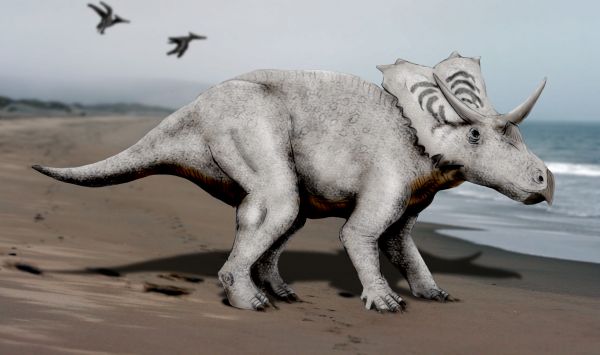
A white, horned dinosaur walks on a sandy beach with the ocean in the background. Two birds fly above, creating a prehistoric atmosphere.

Did Dinosaurs Get Cancer? New Research Is Stirring Debate

Cancer seems distinctly modern—a disease of our times, tied to our lifestyles, pollutants, and longer lifespans. Yet this cellular rebellion has ancient roots, predating humanity by millions of years. Recently, paleontologists have turned their attention to our planet’s former rulers, the dinosaurs, questioning whether these magnificent creatures also battled with cancer. New research has ignited ...