Articles for author: Awais Khan

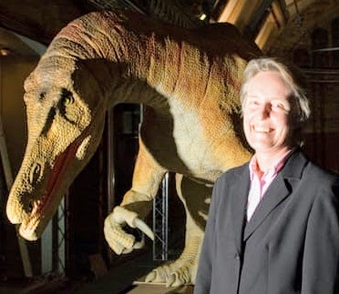
Dr. Hans Dieter Sues

Dr. Hans-Dieter Sues and the Forgotten Dinosaurs of the Early Mesozoic

The early days of dinosaur evolution remain one of paleontology’s most fascinating yet understudied chapters. While Jurassic and Cretaceous giants like Tyrannosaurus rex and Brachiosaurus have captured public imagination for generations, their evolutionary precursors from the dawn of the Mesozoic Era have often been overlooked. Dr. Hans-Dieter Sues, a distinguished paleontologist and Senior Scientist at ...

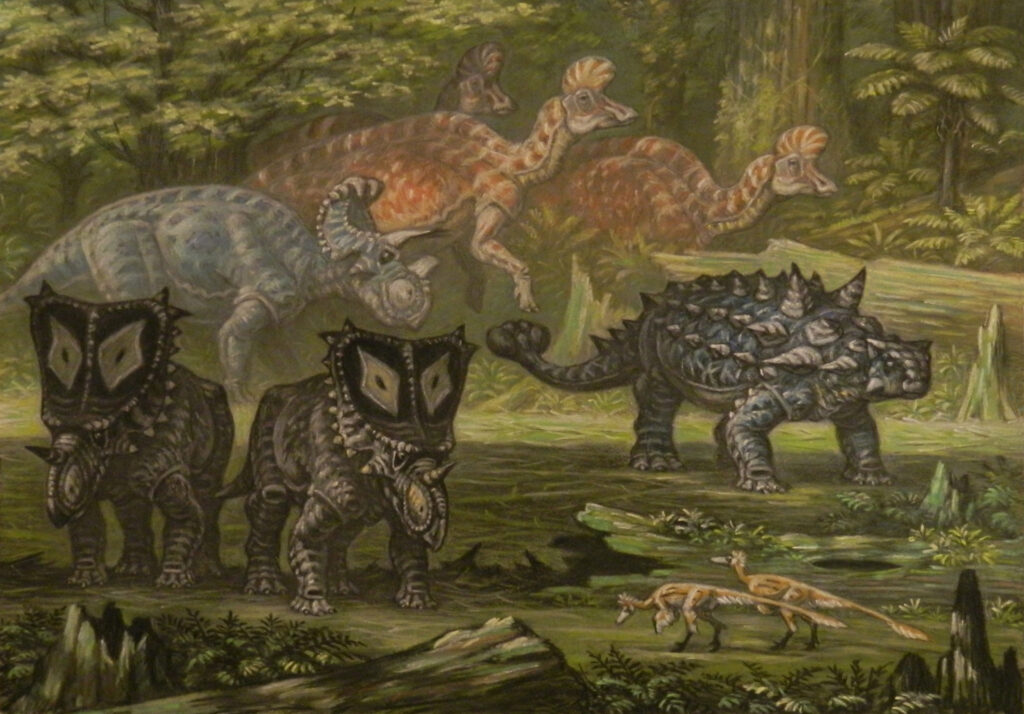
Dinosaurs roam a lush forest with ferns and tall trees. A large carnivore approaches a smaller group, creating a tense, prehistoric scene.

10 Dinosaurs That Would Star in a Real-Life Jurassic Park

The fascination with dinosaurs has captivated human imagination for generations, reaching its pop culture zenith with the Jurassic Park franchise. While the films take significant scientific liberties, they’ve sparked worldwide curiosity about which prehistoric creatures might truly dominate if a real dinosaur park were created. Beyond the iconic Tyrannosaurus rex and Velociraptor that have become ...

Scleractinian Corals

What Fossilized Coral Reefs Reveal About Ancient Climate Change

Ancient coral reefs, preserved as fossils for millions of years, serve as remarkable natural archives of Earth’s climate history. Like tree rings or ice cores, these marine structures contain chemical signatures and physical characteristics that provide scientists with detailed insights into past environmental conditions. As climate change increasingly affects our modern world, these fossilized reefs ...

The dinosaur era concluded with one of the most dramatic climate catastrophes in Earth’s history, triggered by the impact of a massive asteroid approximately 10 kilometers in diameter in what is now the Yucatán Peninsula of Mexico.

What If Dinosaurs Never Went Extinct? The “What-If” War

The Cretaceous-Paleogene extinction event 66 million years ago dramatically altered Earth’s evolutionary trajectory, eliminating approximately 75% of species, including the non-avian dinosaurs that had dominated terrestrial ecosystems for over 160 million years. This catastrophic asteroid impact opened ecological niches that mammals eventually filled, ultimately leading to human evolution. But what if that asteroid had missed ...

Fossils from the Jehol Biota capture evolution in action

What Happens After a Fossil Is Discovered?

The discovery of a fossil marks just the beginning of an extensive scientific journey. When paleontologists or fortunate amateurs stumble upon these ancient remnants, they initiate a meticulous process that can span months or even years before the specimen’s secrets are fully revealed. These prehistoric treasures provide crucial glimpses into Earth’s distant past, helping scientists ...

The documentary explores competing extinction theories and why this asteroid impact was uniquely catastrophic.

Could Dinosaurs Have Survived If the Asteroid Missed?

The extinction of dinosaurs 66 million years ago marks one of the most significant turning points in Earth’s biological history. The Cretaceous-Paleogene (K-Pg) extinction event, triggered by a massive asteroid impact near the Yucatán Peninsula in Mexico, eliminated approximately 75% of all species on Earth, including the non-avian dinosaurs that had dominated terrestrial ecosystems for ...

A large Tyrannosaurus rex skeleton displayed in a museum. Its shadow looms on the wall, adding dramatic effect. The room is dimly lit, evoking a prehistoric ambiance.

Fossil-Hunting for Profit: Science Killer or Necessary Evil?

In the rugged badlands of Montana, a Tyrannosaurus rex skeleton emerges from ancient sediment, painstakingly excavated not by university paleontologists but by commercial fossil hunters. The specimen, later named “Sue,” would eventually sell for $8.3 million at auction, triggering both celebration and alarm throughout the scientific community. This scenario encapsulates one of paleontology’s most contentious ...

A fiery meteor crashes into the Earth, creating a bright explosion over a dark, cloud-covered ocean, illustrating a dramatic and destructive event.

How Ancient Meteor Showers May Have Triggered Mini-Extinctions

Earth’s history is punctuated by catastrophic events that have dramatically altered the course of life on our planet. While the dinosaur-killing asteroid impact 66 million years ago stands as the most famous extinction event linked to cosmic bombardment, scientists now believe numerous smaller, yet still significant “mini-extinctions” may have been triggered by ancient meteor showers ...

A close-up of a dinosaur statue with sharp, white teeth and textured, dark green skin. The open mouth and yellow eyes create an intense, lifelike appearance.

Could Dinosaurs Have Had Night Vision? The Science Behind Ancient Eyes

The question of dinosaur night vision sits at the fascinating intersection of paleontology, evolutionary biology, and comparative anatomy. For decades, scientists have wondered how dinosaurs perceived their world, particularly during periods of darkness. While we cannot directly observe the visual capabilities of creatures that disappeared 66 million years ago, modern scientific techniques and comparative studies ...

The discovery of marine fossils alongside dinosaur remains illuminates the complex ecological connections that existed between terrestrial and marine environments during the Mesozoic Era.

Ancient Water Dwellers: What Dinosaurs Shared Their World With Otter Ancestors?

The ancient waterways of Earth tell a fascinating story of coexistence between different evolutionary lineages that few people realize. While dinosaurs dominated the Mesozoic Era (252-66 million years ago), the early ancestors of modern mammals, including the predecessors of today’s playful otters, were already developing their evolutionary pathways. These ancient water-dwelling mammals navigated the same ...