Blog

11 Prehistoric Mammals That Were Even More Terrifying Than Dinosaurs

11 Prehistoric Mammals That Were Even More Terrifying Than Dinosaurs

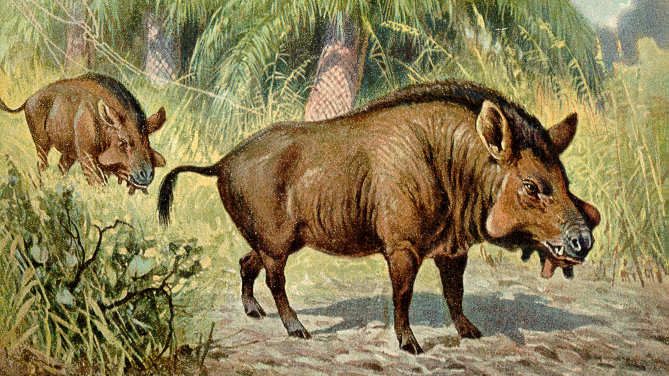
When you think about the most dangerous creatures to ever roam our planet, your mind probably jumps straight to dinosaurs. Tyrannosaurus rex with its bone-crushing bite, velociraptors hunting in packs, those massive long-necked behemoths that shook the earth with every step. Honestly, dinosaurs have had their moment in the spotlight for long enough. Here’s the ...
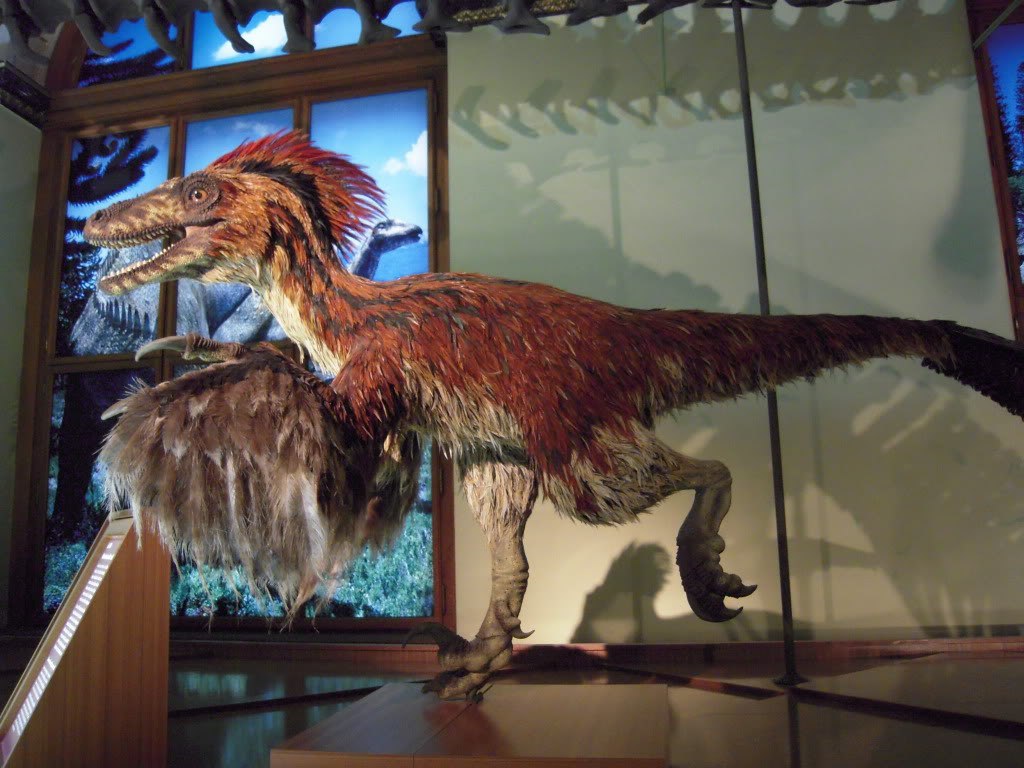
What If Feathers Evolved for Flight Sooner?

The evolution of flight represents one of nature’s most remarkable innovations, fundamentally reshaping Earth’s ecosystems and the course of vertebrate evolution. Feathers, the key adaptation that enabled birds to conquer the skies, first appeared in theropod dinosaurs during the Middle-Late Jurassic period, approximately 165-150 million years ago. However, the development of true powered flight came ...

5 Dinosaur Extinction Theories Beyond the Asteroid Impact You Should Know

5 Dinosaur Extinction Theories Beyond the Asteroid Impact You Should Know

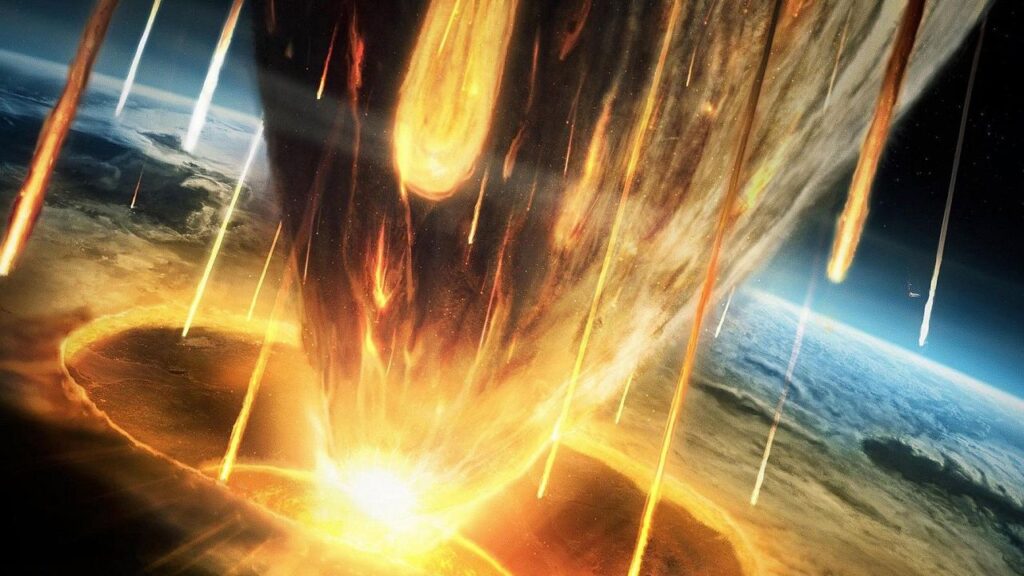
You probably grew up hearing that a massive space rock wiped out the dinosaurs 66 million years ago. That’s the story most textbooks tell, and honestly, it’s a compelling one. A six-mile-wide asteroid slammed into what’s now Mexico’s Yucatán Peninsula, triggering catastrophic tsunamis, global firestorms, and a years-long impact winter that choked out sunlight. Three-quarters ...

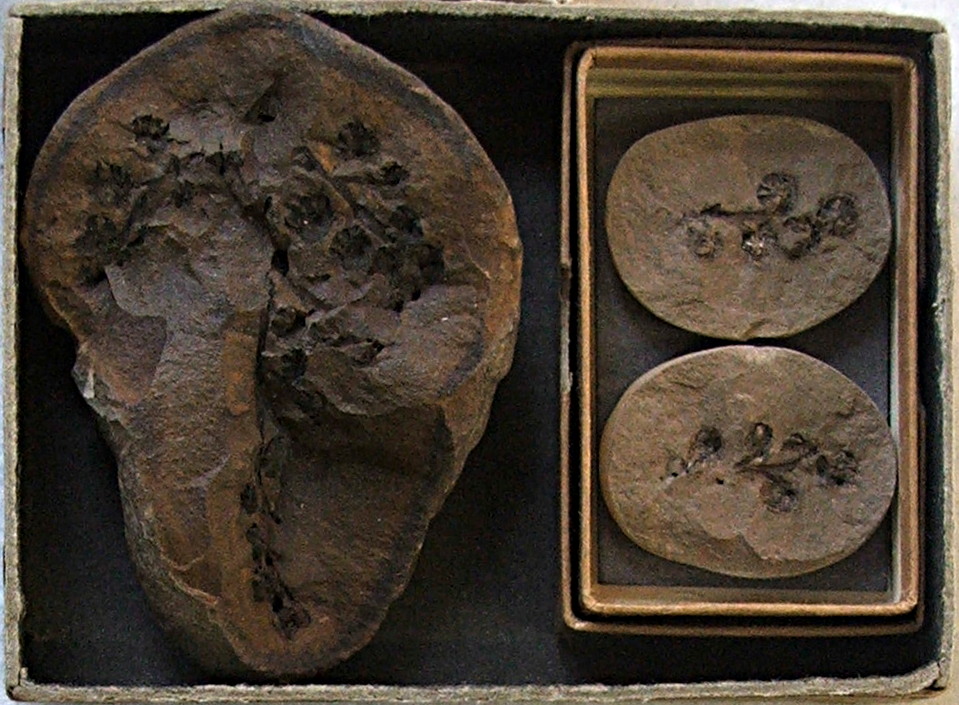
Crossotheca

Cambridge Fossils and Scientific Firsts at the Sedgwick Museum

Hidden within the Gothic Revival architecture of Cambridge University lies a treasure trove that has quietly revolutionized our understanding of life on Earth. The Sedgwick Museum of Earth Sciences stands as one of the world’s oldest geological museums, housing over two million specimens that span 4.5 billion years of Earth’s history. This isn’t just another ...

Could Dinosaurs Have Survived in Today’s North American Deserts?

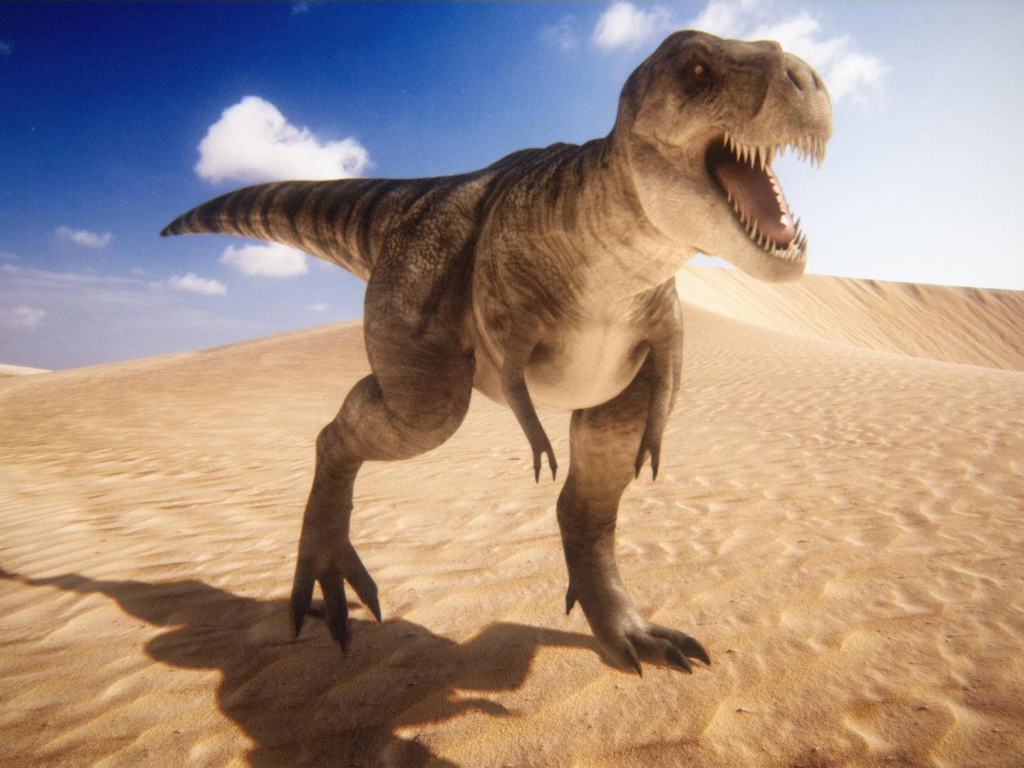
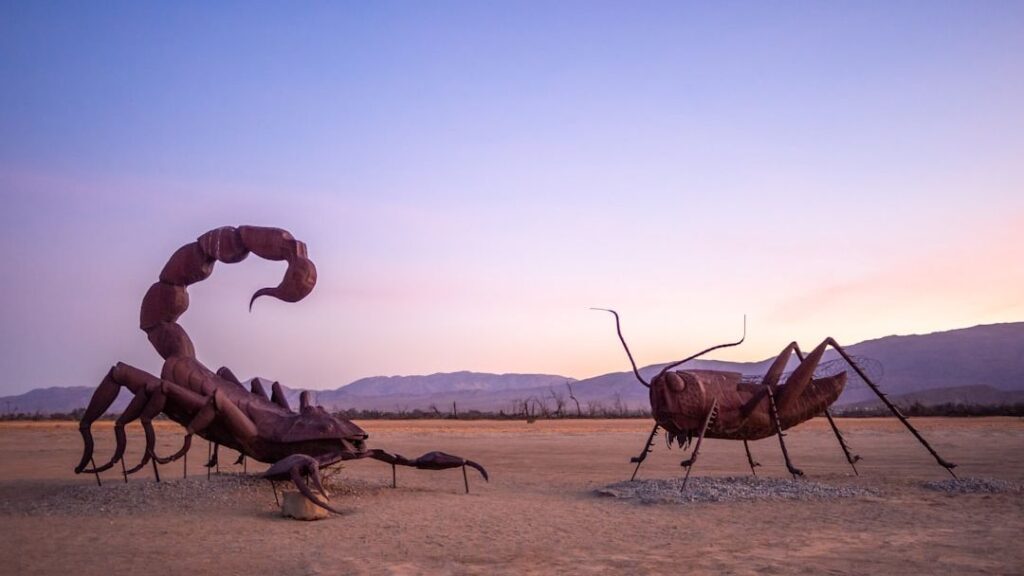
The North American deserts—stretching from the Mojave and Sonoran in the southwest to the Chihuahuan and Great Basin—represent some of the most extreme environments on our continent. These harsh, arid landscapes might seem entirely inhospitable to large animals, yet they support diverse ecosystems of specially adapted creatures. When we consider the mighty dinosaurs that once ...