Blog

Sameen David

Scars That Tell Stories

Turtle Shell Forensics: Decoding Predator Attacks in New England

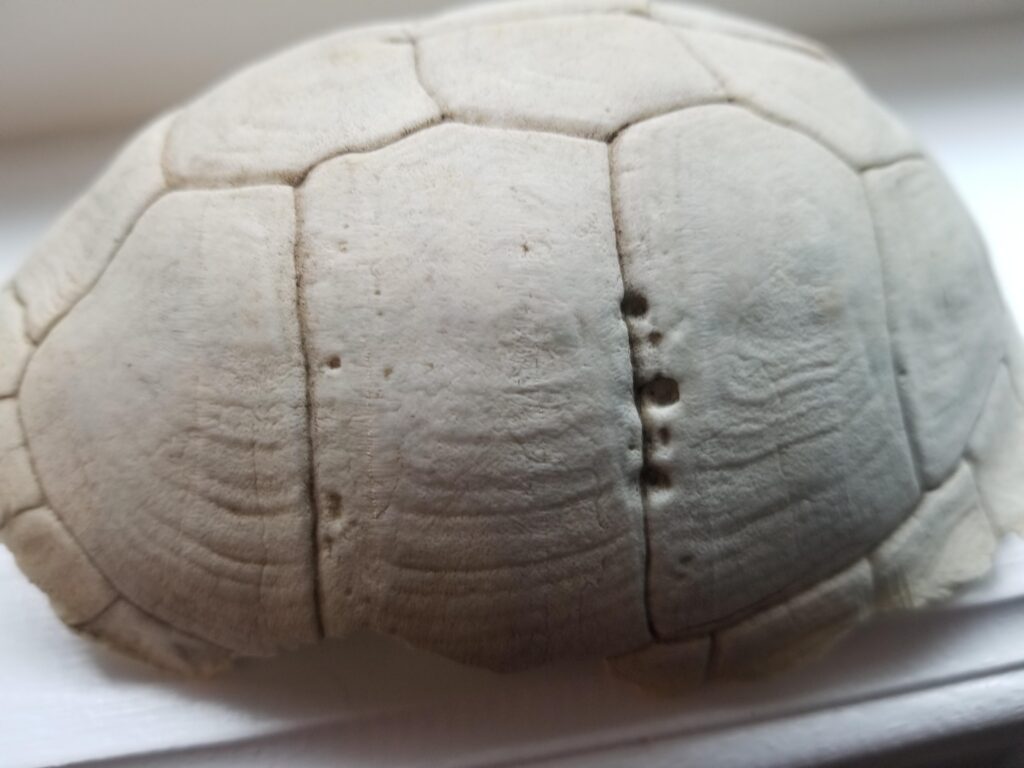
New England – Conservationists at Zoo New England have pioneered a method to unravel the mysteries of predator-prey dynamics among local turtle populations. Researchers examine bite marks and scars on turtle shells to identify the culprits behind attacks. This technique draws from field observations and controlled experiments, offering vital clues for protecting threatened species. The ...
Sameen David

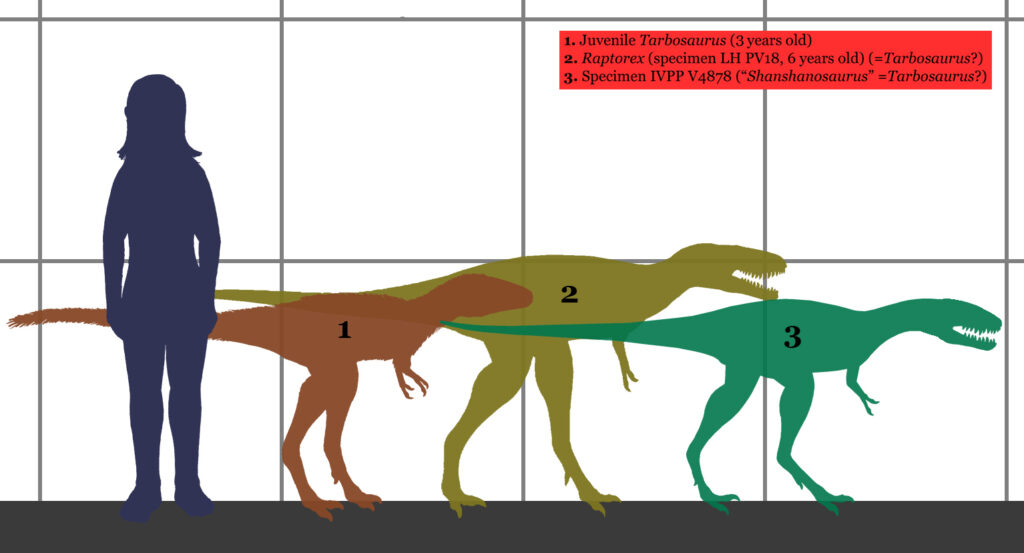
Raptorex and Asiatyrannus are now considered juvenile Tarbosaurus! Pretty shocking!

Juvenile Secrets of Asia’s Apex Predator: Raptorex and Asiatyrannus Reclassified as Young Tarbosaurus

A fresh analysis has upended long-standing debates in paleontology by identifying two small tyrannosaurids as immature stages of the formidable Tarbosaurus bataar. This reclassification not only simplifies the family tree of Late Cretaceous predators but also stretches the known territory of Tarbosaurus across vast swaths of Asia. Researchers detailed their findings in a study that ...

Sameen David

A Chance Discovery in Fossil-Rich Cliffs

Stevns Klint Unearths Tiny Pterosaur Survivor from Cretaceous Twilight

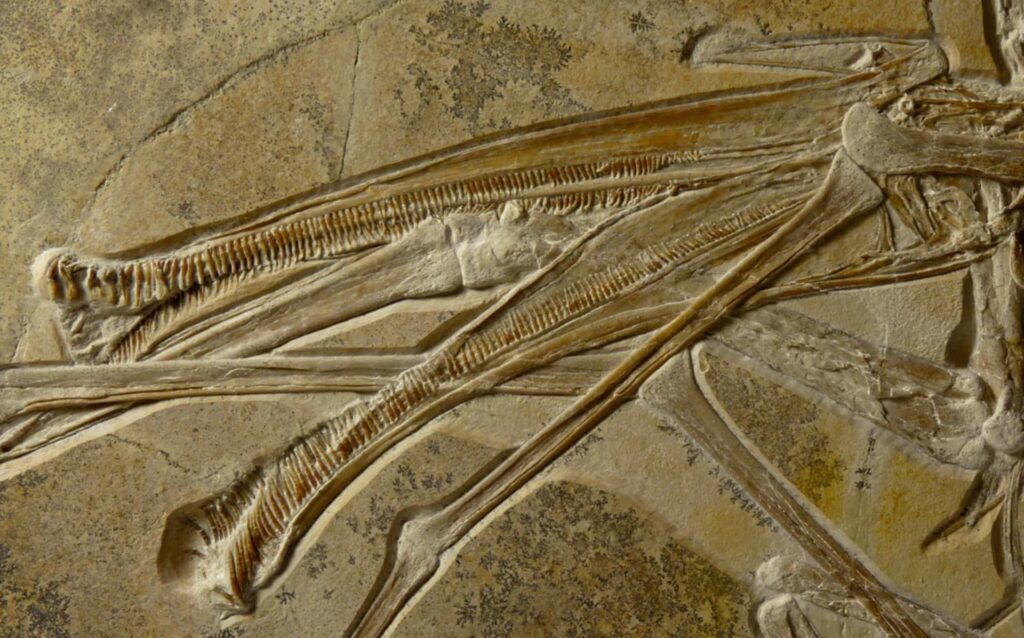
Stevns Klint, Denmark – Researchers uncovered a minuscule fragment of pterosaur wing bone in the chalk cliffs of this UNESCO World Heritage site, offering fresh evidence of small-bodied flying reptiles in the waning moments of the Cretaceous period. The discovery, detailed in a recent scientific paper, points to pterosaurs with wingspans under 50 centimeters thriving ...

Sameen David

10 forces that could reshape the future of the world’s forests

10 Forces Set to Transform Global Forests in the Next Decade

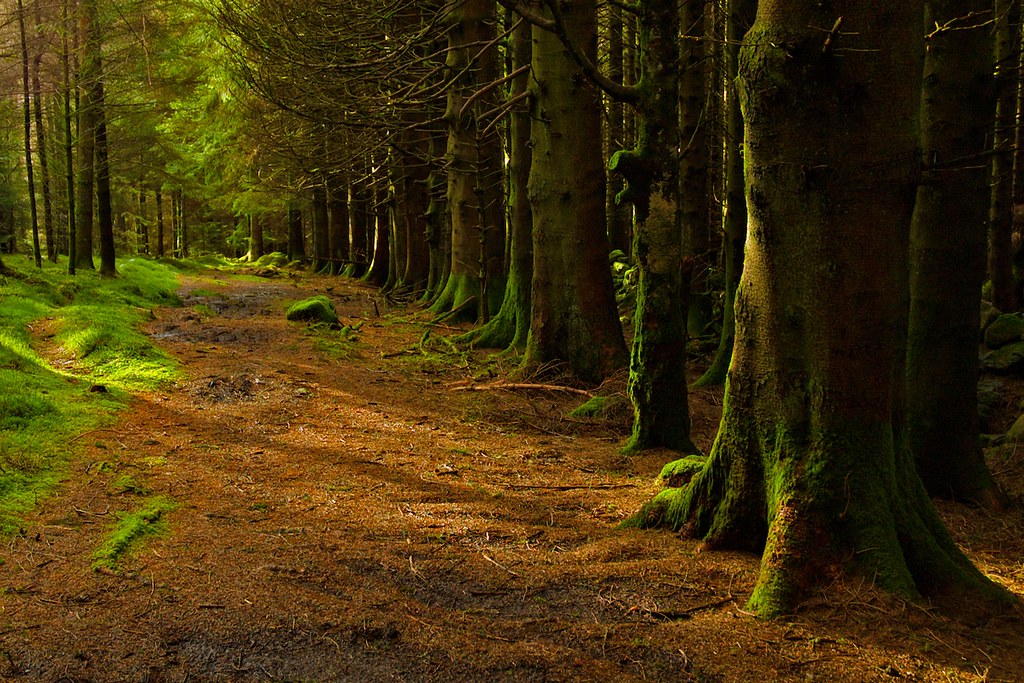
Global forests, which cover about a third of the planet’s land surface, confront a web of interconnected challenges and opportunities. A recent horizon scan by researchers mapped emerging trends across politics, finance, and technology poised to influence these ecosystems profoundly. Published in Forest Policy and Economics, the analysis draws from consultations with experts to spotlight ...

Sameen David

From carp to hippos, 43% of large freshwater animal species spread far beyond native ranges

43% of Giant Freshwater Species Now Roam Far from Native Waters

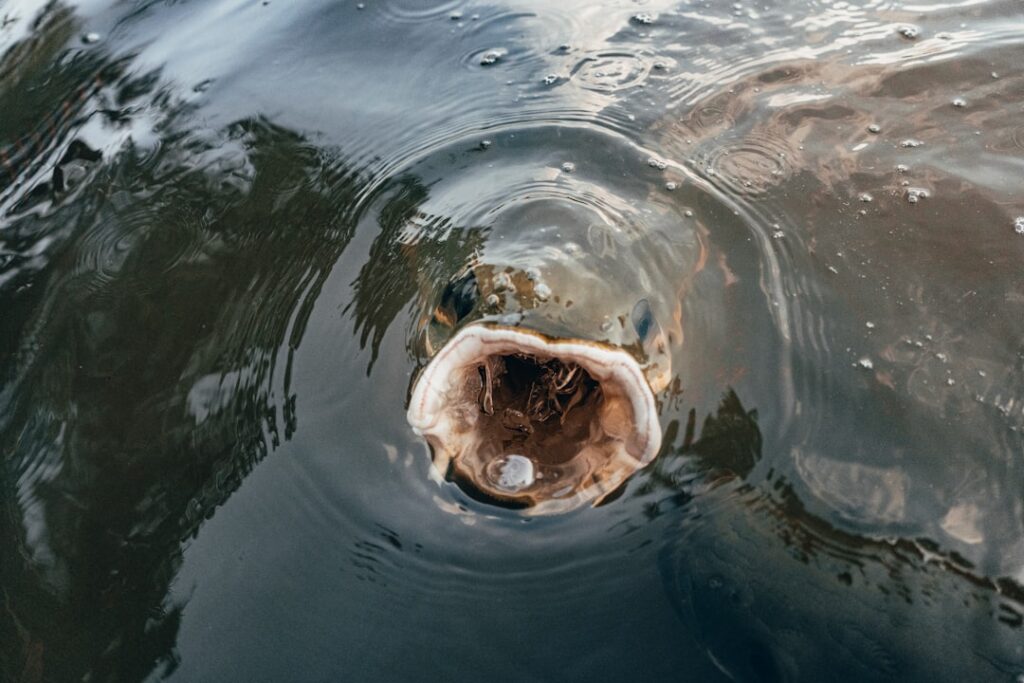
Researchers revealed a profound human footprint on the planet’s rivers, lakes, and wetlands. Large freshwater animals, weighing more than 30 kilograms at maturity, have spread dramatically beyond their original habitats through deliberate introductions. A comprehensive study documented this trend across 142 countries and regions, highlighting both the allure of economic opportunities and the lurking ecological ...

Sameen David

Mexican wolves return to Durango after a half century

Historic Return: Mexican Wolves Reclaim Durango After 50 Years

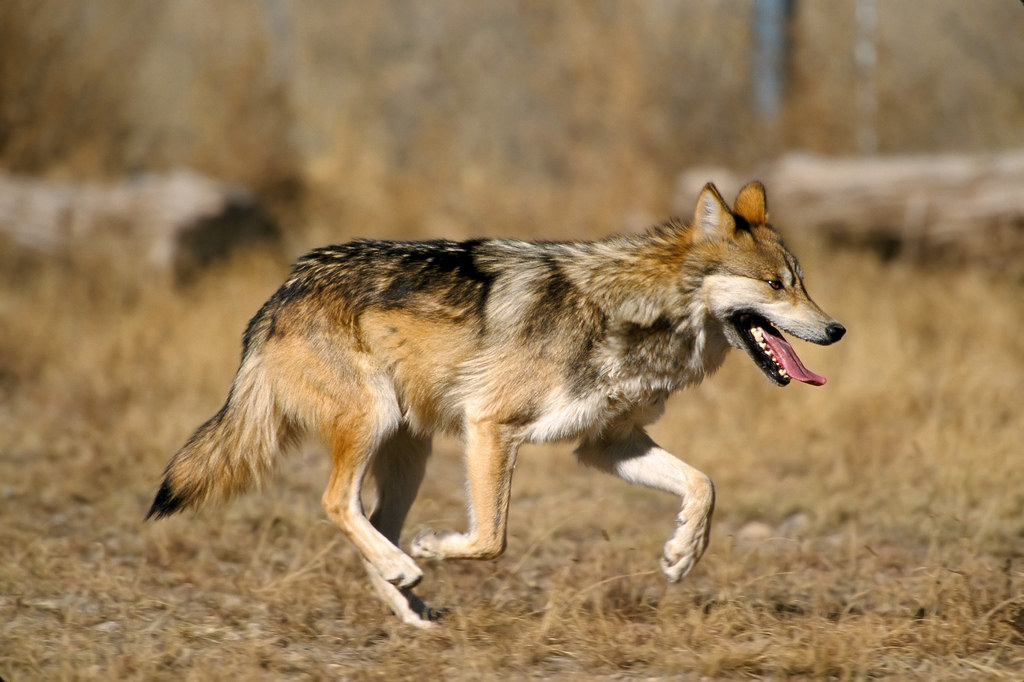
Durango, Mexico – Wildlife officials marked a significant milestone in conservation history by releasing eight endangered Mexican wolves into the state’s forests. Two family groups, each comprising four wolves, now roam areas untouched by the species for nearly half a century. This reintroduction revives a vital portion of their ancestral habitat, signaling renewed hope for ...

Sameen David

A Deadly Snapshot from the Triassic

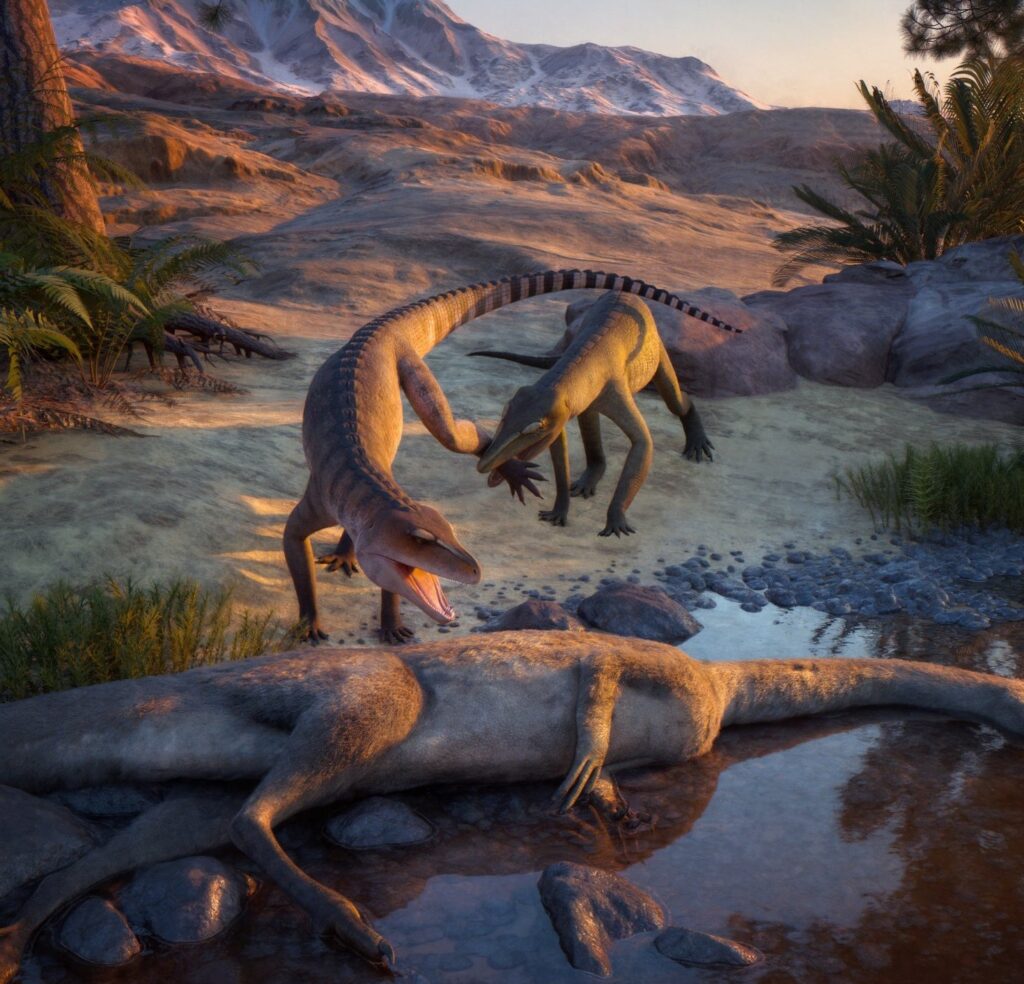
Yale Basement Rediscovery: Triassic Proto-Croc Emerges as New Species After 75 Years

Northern New Mexico’s Ghost Ranch yielded a remarkable fossil in 1948 amid a mass of dinosaur bones, but the specimen languished in Yale University’s Peabody Museum basement for decades. Researchers recently confirmed it belonged to a previously unknown relative of modern crocodiles, named Eosphorosuchus lacrimosa. This finding illuminates the early evolutionary steps of crocodylomorphs toward ...

Sameen David

North America's Oldest Pterosaur Emerges from Arizona's Volcanic Ash

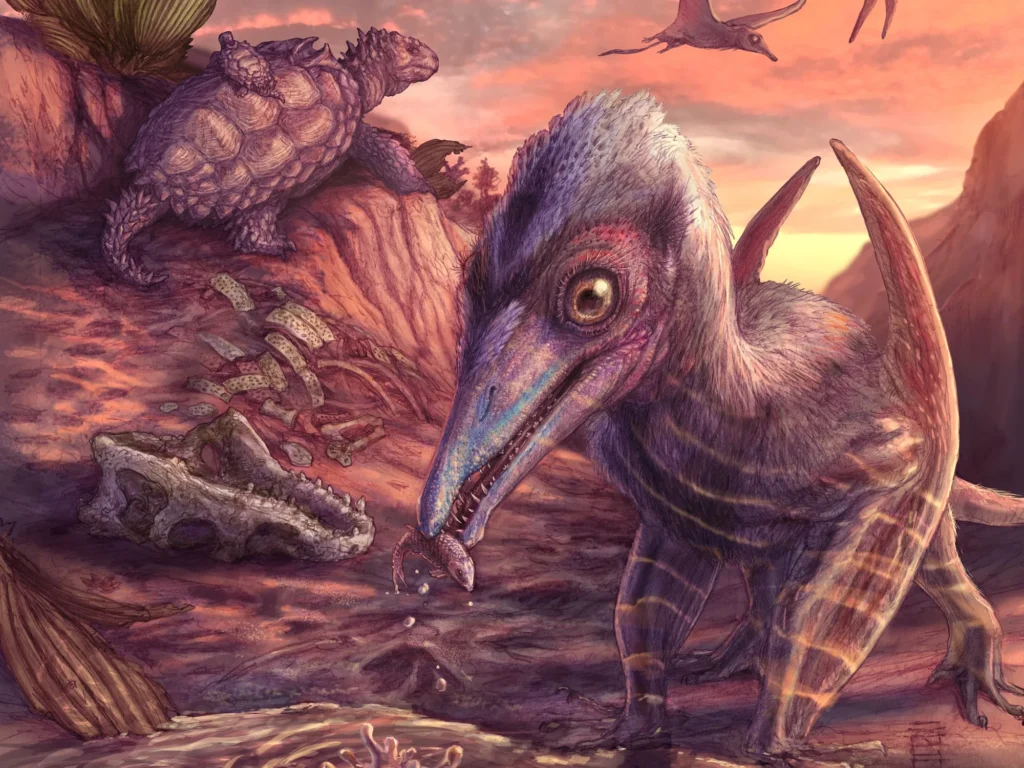
North America’s Oldest Pterosaur Emerges from Arizona’s Volcanic Ash

Petrified Forest National Park, Arizona – A team of paleontologists uncovered the jawbone of a small flying reptile that glided through Late Triassic skies 209 million years ago. This specimen, the earliest pterosaur known from North America, belonged to a new species called Eotephradactylus mcintireae. Preserved in a remote bone bed rich with volcanic ash, ...