Blog

Sameen David

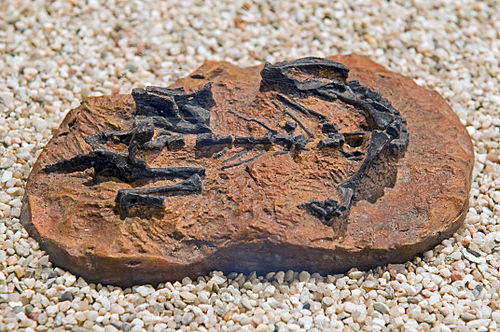
Patagonia's Mussaurus Site Rewrites Early Dinosaur History

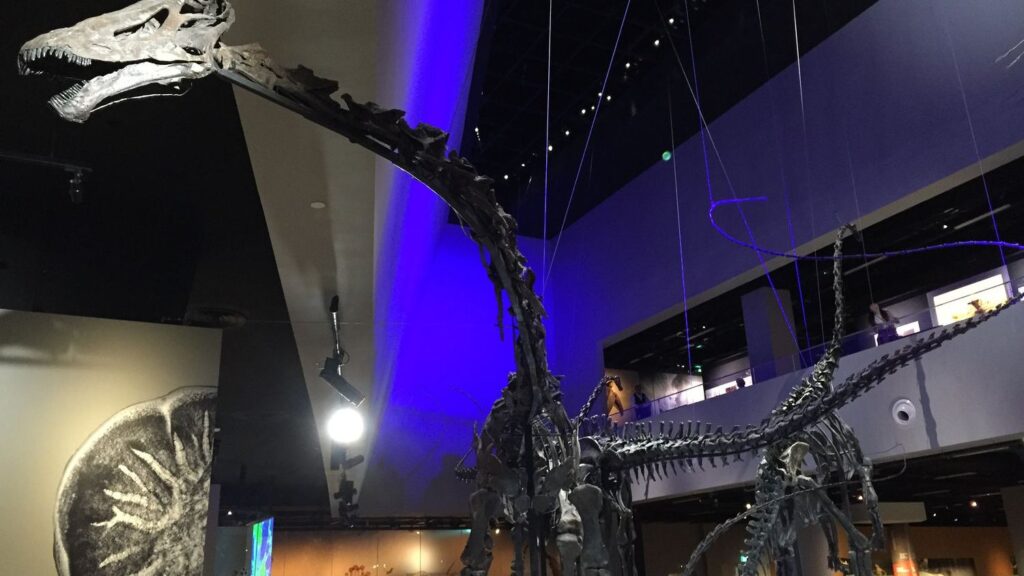
Dinosaur Herds Unearthed: Fossil Clues to Ancient Social Bonds

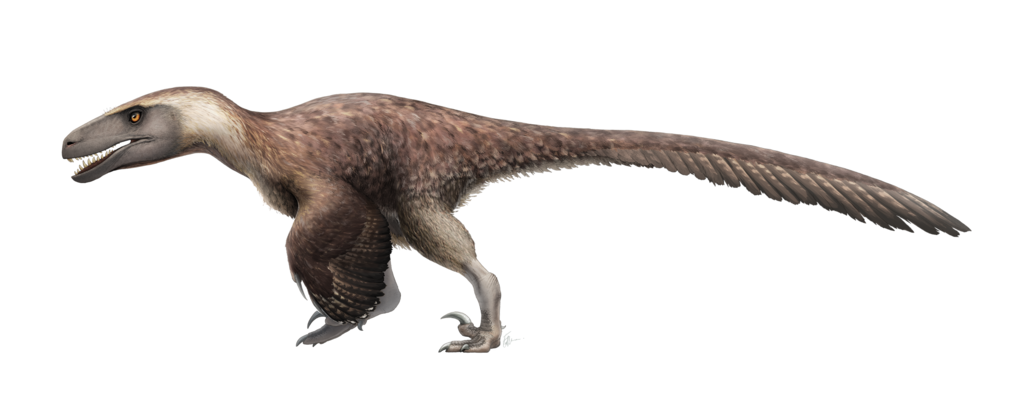
Long before massive sauropods roamed in vast groups, early dinosaurs formed complex social structures that mirrored those of today’s large herbivores. Fossil discoveries from sites across the globe reveal herding behaviors, age-based groupings, and communal nesting that likely fueled their evolutionary rise. These findings challenge earlier views of dinosaurs as mostly solitary creatures and highlight ...


Sameen David

Warblers pour in

Spring Migrants Swarm Pagham Harbour Amid Shifting Seasons

Pagham Harbour – Lighter easterly winds and mild afternoon temperatures around 18°C greeted birdwatchers on April 8, creating ideal conditions for new arrivals. Observers noted a significant influx of summer migrants along the Sussex coast, while wintering waterbirds continued their departure. These changes highlighted the dynamic transition in local wildlife, tracked closely through community efforts ...

Sameen David

Vacant lots buzz with bee activity

Pocket Prairies Revive Bee Habitats in Cleveland’s Urban Vacancies

Cleveland, Ohio – Once symbols of industrial decline, the city’s thousands of vacant lots now harbor a surprising bounty of bee activity. Researchers transformed select empty parcels into pocket prairies by sowing native wildflowers, revealing these spaces as vital refuges for pollinators. The effort underscores how minimal interventions can enhance urban biodiversity in deindustrialized landscapes. ...

Sameen David

A Surprising Museum Rediscovery

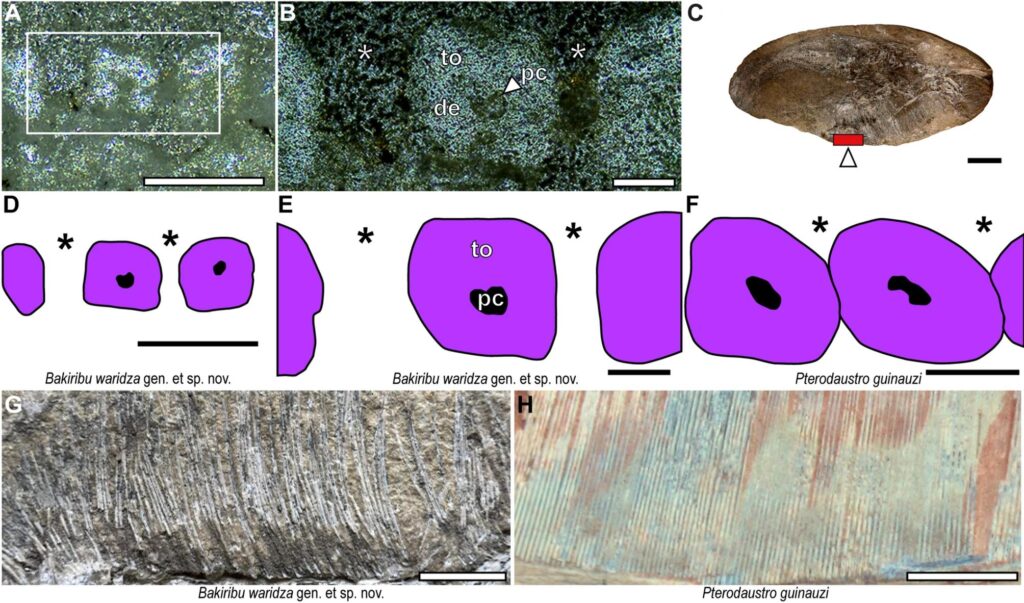
Brazil’s Fossilized Vomit Yields Groundbreaking Pterosaur Discovery

Araripe Basin, Brazil – Paleontologists uncovered a remarkable find within a long-forgotten museum specimen: the remains of a previously unknown pterosaur species preserved in 110-million-year-old fossilized vomit. The discovery, detailed in a recent Scientific Reports study, marks the first time scientists have named an extinct species from such an unusual source. This regurgitalite, or fossilized ...

Sameen David

Evolution of new physical traits in mollusks has declined and grown more predictable over time

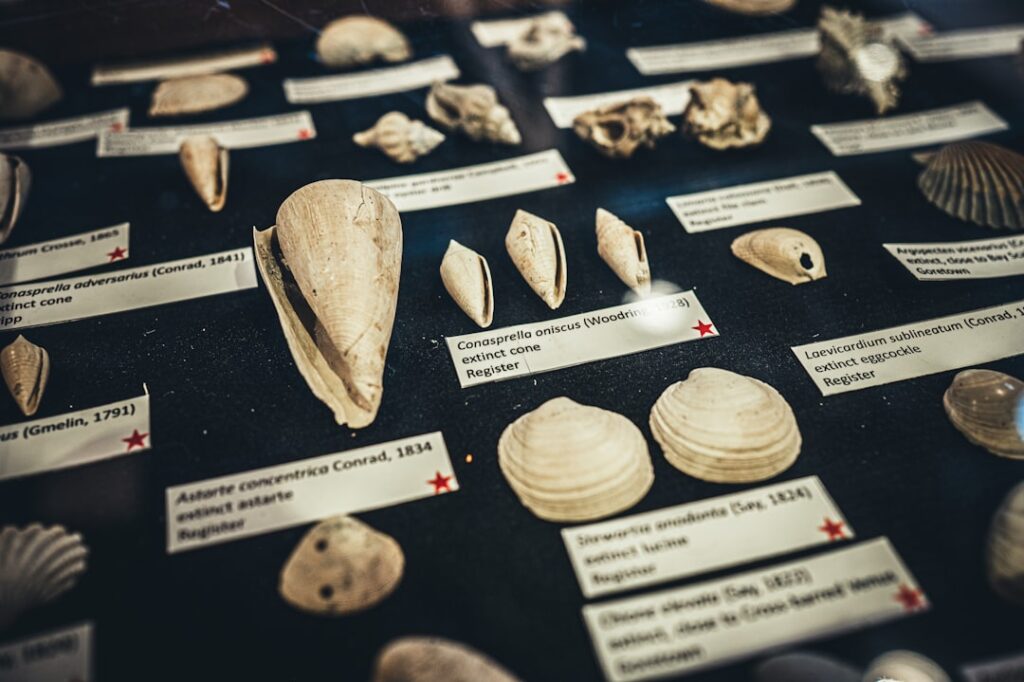
Mollusks’ Evolutionary Innovation Fades Over 540 Million Years

The fossil record of mollusks, one of Earth’s most enduring animal groups, reveals a striking pattern in the development of new physical traits. Researchers examined this extensive history spanning 540 million years and uncovered a clear trajectory: bursts of novelty in the early stages gave way to longer intervals between innovations. This shift highlights how ...