Articles for category: Uncategorized

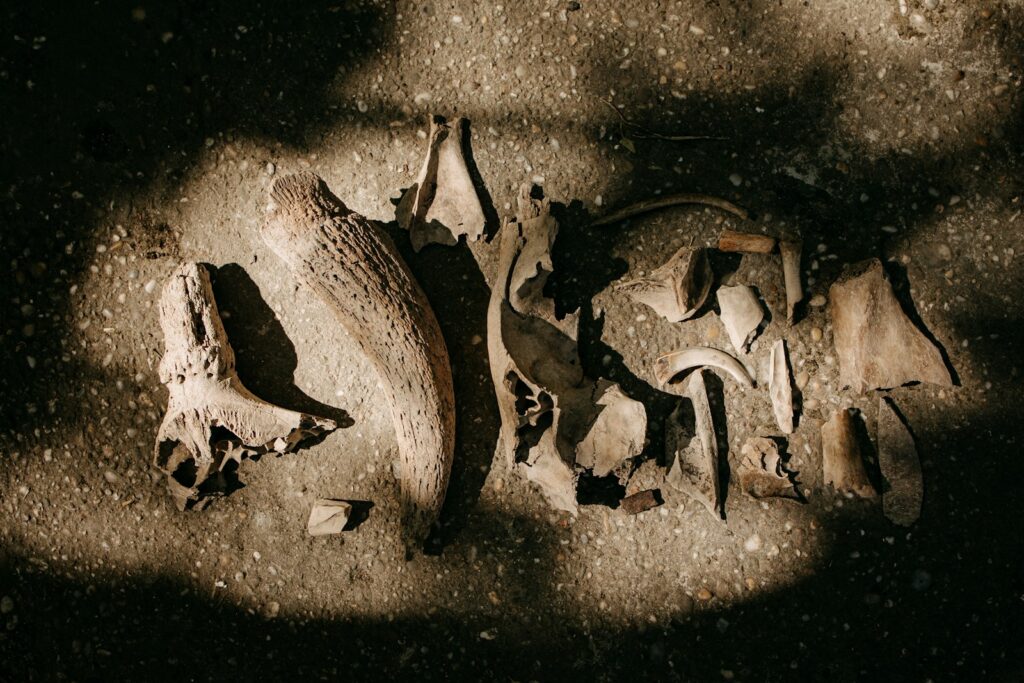
A close up of a broken shoe on the ground

Sketches, Letters, and Mistakes: How Early Paleontologists Shared Discoveries

In the days before digital photography, instant communication, and peer-reviewed journals, early paleontologists relied on remarkably personal methods to share their groundbreaking discoveries. From meticulously hand-drawn sketches sent through unreliable postal systems to passionate letters debating the nature of extinct creatures, these scientists built the foundation of modern paleontology through persistence and ingenuity. Their correspondence ...
From Fossil Lab to Raptor Exhibit: Highlights at Denver’s Dino Hall

Denver’s Museum of Nature & Science houses one of America’s most impressive prehistoric showcases – its celebrated Dinosaur Hall. This immersive space takes visitors on a journey spanning millions of years, from the earliest dinosaur ancestors to the magnificent creatures that dominated Earth’s landscapes before their sudden extinction. What makes this exhibition particularly special is ...

Could Bones Create Artificial Reefs in Prehistoric Waters?

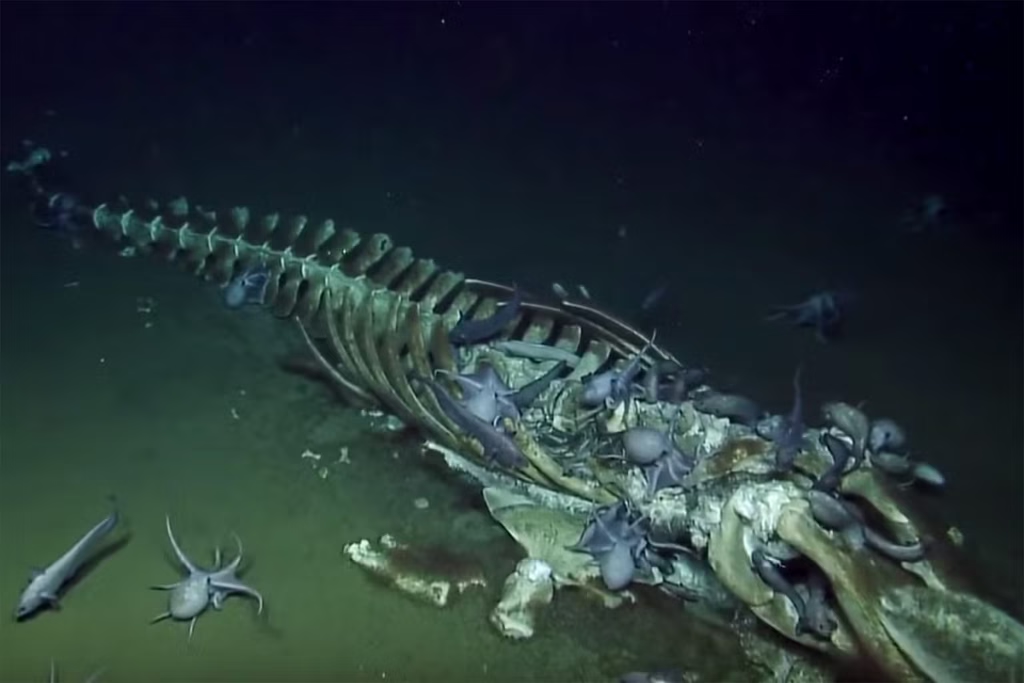
The concept of ancient bones serving as the foundation for prehistoric reef ecosystems presents a fascinating intersection of paleontology, marine biology, and ecosystem development. While modern artificial reefs are deliberately created using sunken ships, concrete structures, or even purpose-built materials, nature has been developing its own versions of these biodiversity hotspots for hundreds of millions ...

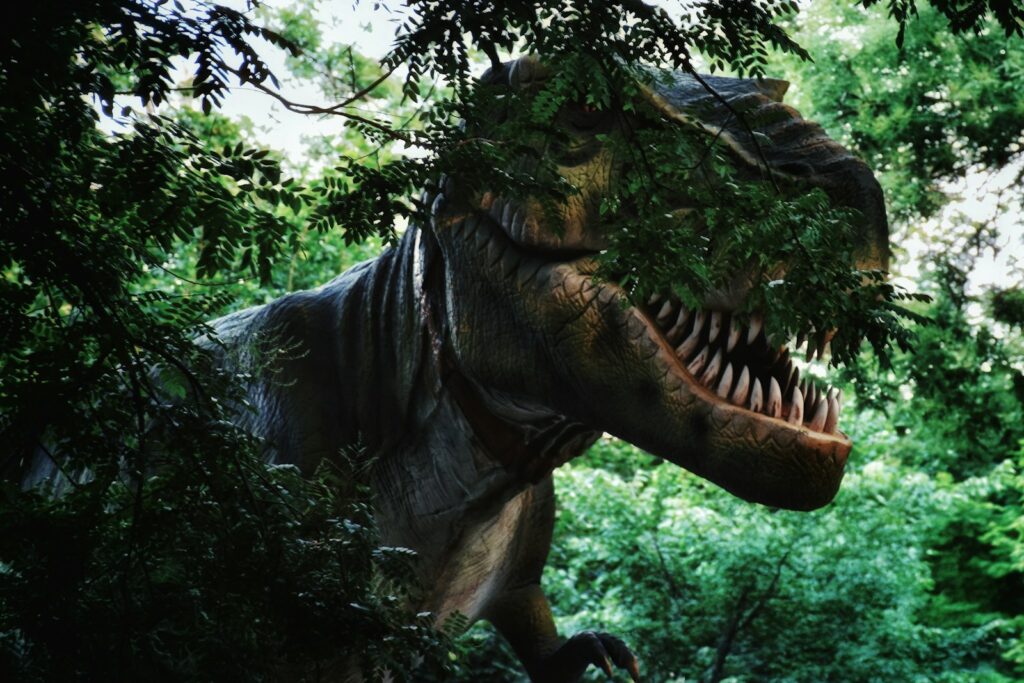
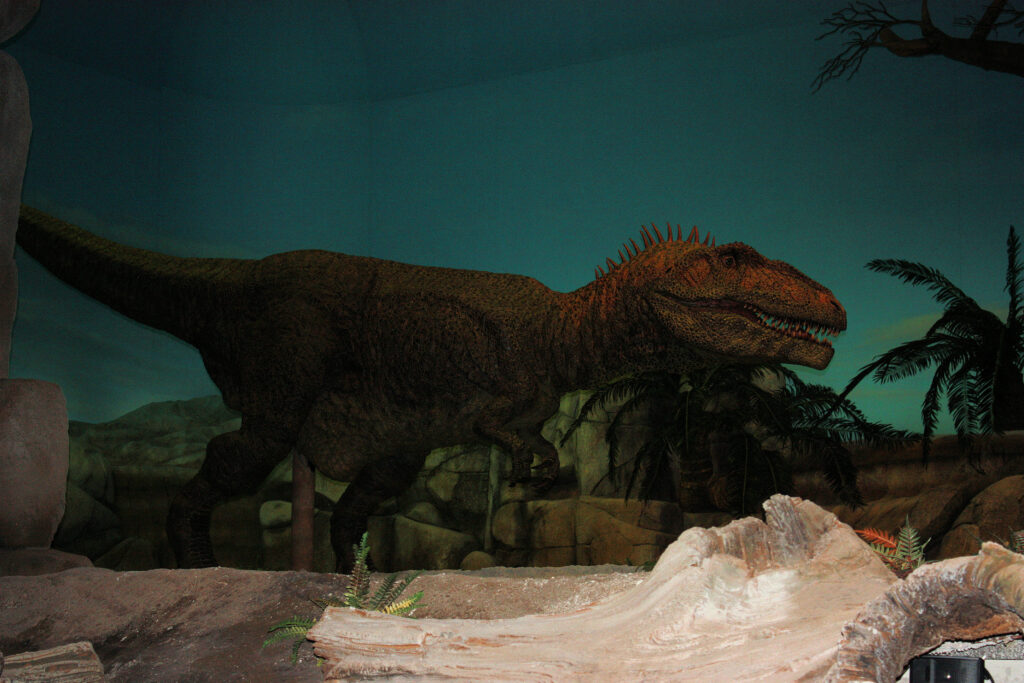
A tyrannosaurus rex lurks within lush foliage.

How Scientists Reacted to the First Dinosaur Descriptions

The discovery of dinosaur fossils in the early 19th century forever changed our understanding of Earth’s history and the evolution of life. When the first formal scientific descriptions of these mysterious creatures emerged, they triggered reactions ranging from disbelief and religious opposition to scientific excitement and heated debates. The journey from puzzling bone fragments to ...

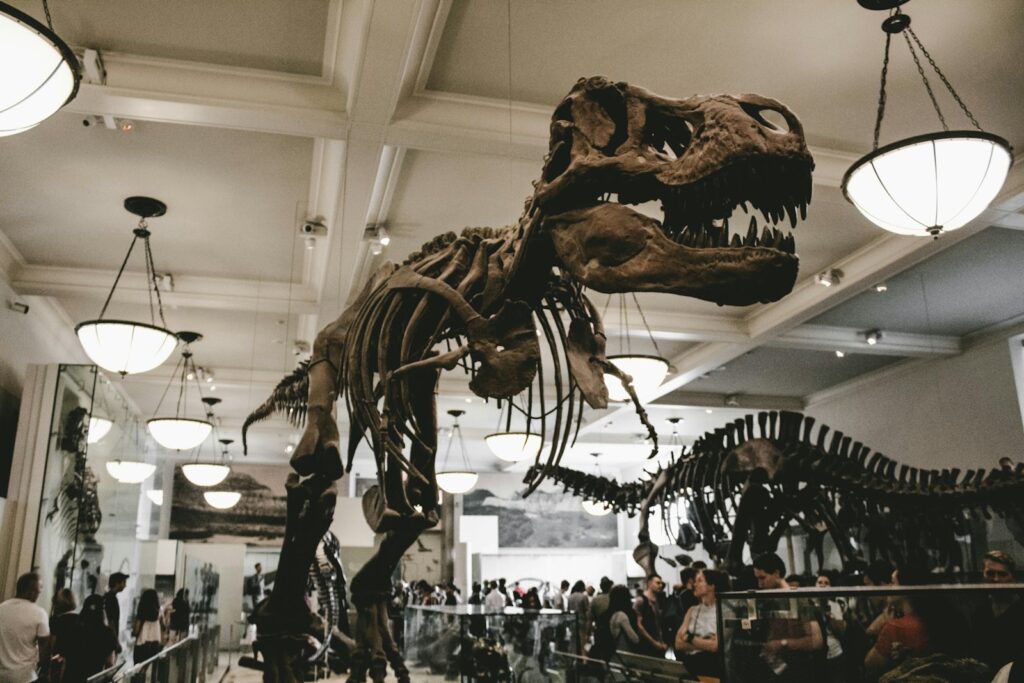
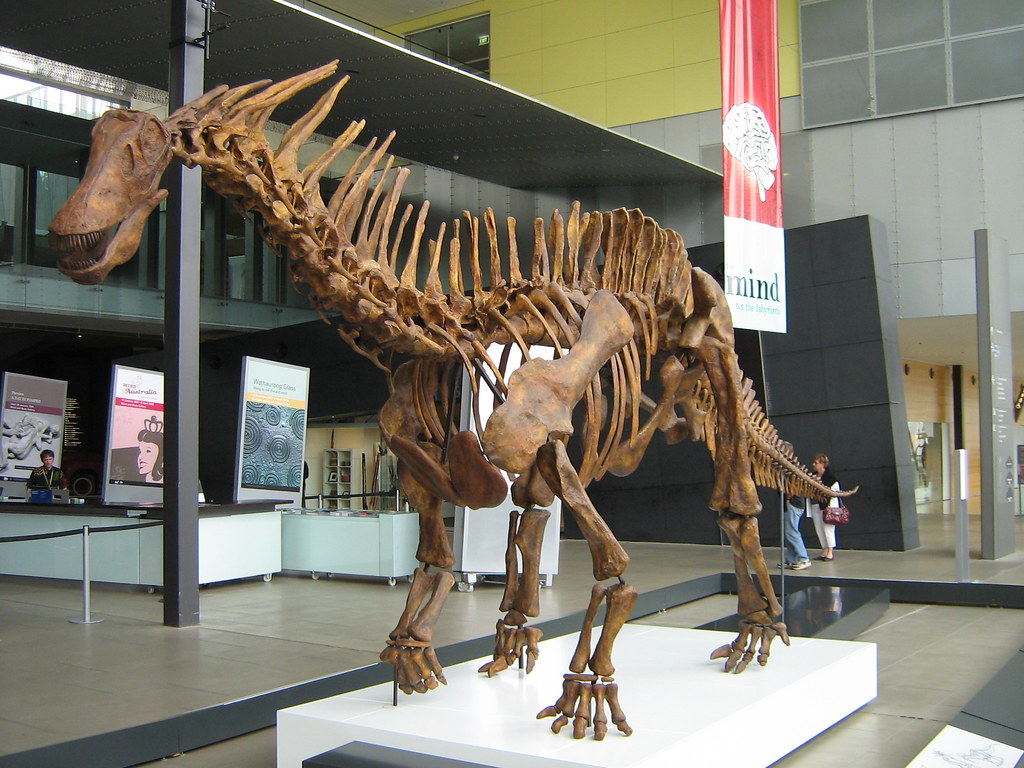
people standing besides dinosaur skeletons

Inside the Fossil Halls of the Smithsonian in Washington, D.C.

The National Museum of Natural History’s Fossil Halls stand as one of the Smithsonian Institution’s crown jewels, drawing millions of visitors annually to Washington, D.C. These magnificent halls house one of the world’s most comprehensive collections of prehistoric life, spanning billions of years of Earth’s history. Recently renovated after a five-year, $110 million project, the ...

a large alligator laying on top of a rock

Anzu wyliei: The “Chicken From Hell” That Roamed the Dakotas

In the realm of prehistoric creatures, few have captured the scientific imagination quite like Anzu wyliei, dramatically nicknamed the “Chicken from Hell.” This remarkable dinosaur, whose remains were discovered in the Dakotas, represents one of the most complete oviraptorosaurian fossils ever found in North America. Standing taller than the average human with its bizarre combination ...

brown leaf on brown soil

Fossil Feuds: When Museums Disagree on Who Owns the Bones

In the world of paleontology, the discovery of ancient fossils represents more than just scientific advancement—it often ignites passionate disputes over ownership, cultural heritage, and academic prestige. These “fossil feuds” have shaped museum collections worldwide and continue to influence how we preserve and display our planet’s prehistoric past. From multimillion-dollar dinosaur skeletons to ancient human ...

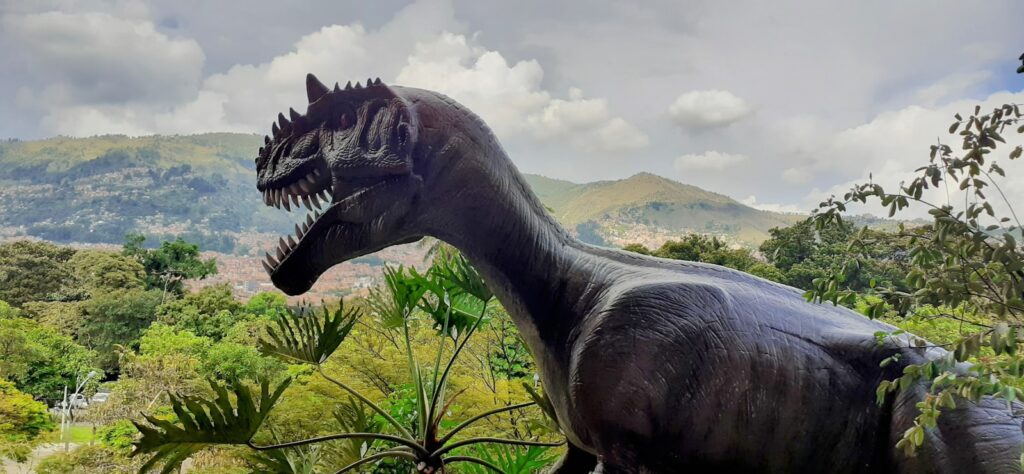
An image of a dinosaur in the wild

What Pop Culture Gets Wrong About “Meat-Eating” Dinosaurs

Popular media has shaped our perception of carnivorous dinosaurs for generations, from classic films like “Jurassic Park” to children’s toys and television shows. These representations have created a shared cultural understanding of what predatory dinosaurs looked like, how they behaved, and how they lived. However, paleontological science has advanced dramatically in recent decades, revealing that ...

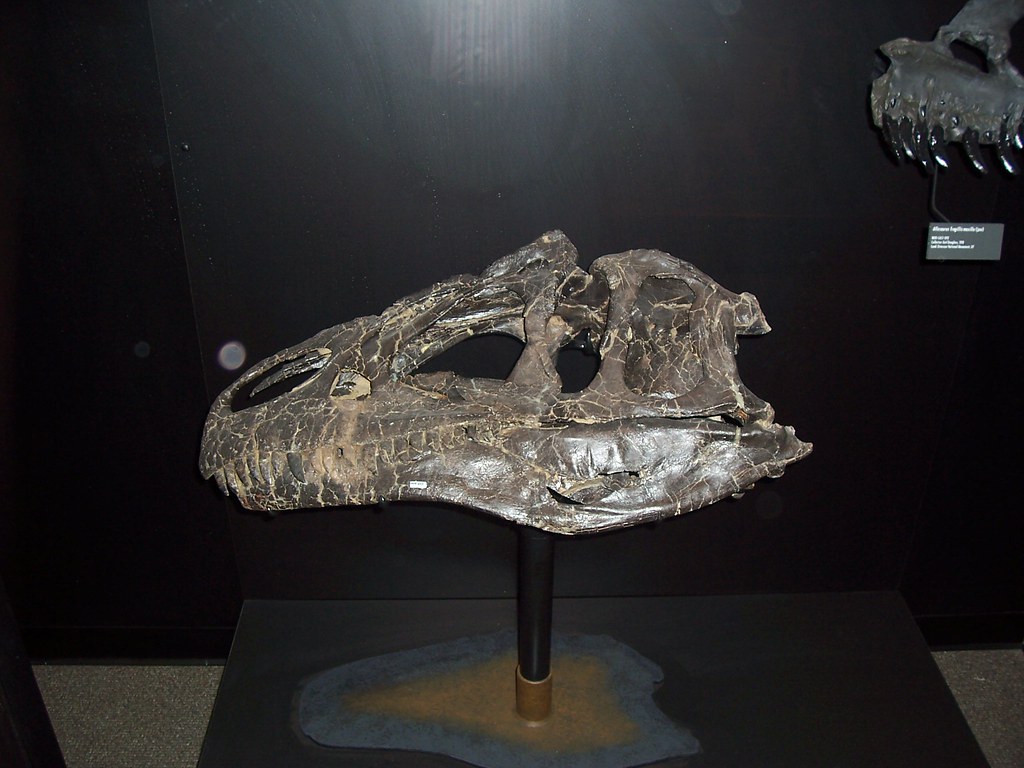
Skull Fossil

The Challenges of Rebuilding Extinct Creatures Without Skulls

When scientists attempt to resurrect the image of long-extinct animals, they face numerous obstacles. Perhaps none is more daunting than reconstructing species known only from fragmentary remains that lack cranial structures. Skulls provide crucial information about an animal’s sensory capabilities, feeding behaviors, and evolutionary relationships. Without these key anatomical pieces, paleontologists and evolutionary biologists must ...

Immersive Prehistoric Worlds at Gondwana – Das Praehistorium in Germany

Journey back through time at one of Germany’s most captivating prehistoric attractions, where ancient worlds come alive through cutting-edge technology and meticulous scientific recreation. Gondwana – Das Praehistorium offers visitors an unparalleled opportunity to experience Earth’s distant past in stunningly realistic detail. Located in the scenic Rhineland-Palatinate region, this unique museum and theme park hybrid ...