Articles for category: Prehistoric Theories

Geology Says Diamonds Are Not Geologically Rare - They Are Common Deep-Earth Minerals - but the Violent Eruption Required to Bring Them to the Surface Has Not Occurred Anywhere on Earth in the Last 25 Million Years

Geology Says Diamonds Are Not Geologically Rare – They Are Common Deep-Earth Minerals – but the Violent Eruption Required to Bring Them to the Surface Has Not Occurred Anywhere on Earth in the Last 25 Million Years

If you grew up thinking diamonds are rare, mystical treasures scattered sparsely through the crust, geology has a quietly shocking rebuttal: deep in Earth’s mantle, diamonds are probably about as ordinary as sand on a beach. The real rarity is not the crystals themselves, but the brutal, once-in-an-age eruptions capable of rocketing them from depths ...

Evolutionary Science Says Humans Are the Only Animal That Runs Long Distances for No Immediate Survival Reason - and the Anatomy That Makes It Possible Took Two Million Years to Develop and Exists in No Other Primate

Evolutionary Science Says Humans Are the Only Animal That Runs Long Distances for No Immediate Survival Reason – and the Anatomy That Makes It Possible Took Two Million Years to Develop and Exists in No Other Primate

If you laced up for a casual ten‑kilometer run this morning, you did something no other primate on Earth can do, and almost no other animal would ever bother to do without a life‑or‑death reason. That Saturday fun run, that deeply unnecessary third lap around the park when you could have stopped, is one of ...

Decoding the Dino Diet: What Ancient Plants Tell Us About Prehistoric America

Decoding the Dino Diet: What Ancient Plants Tell Us About Prehistoric America

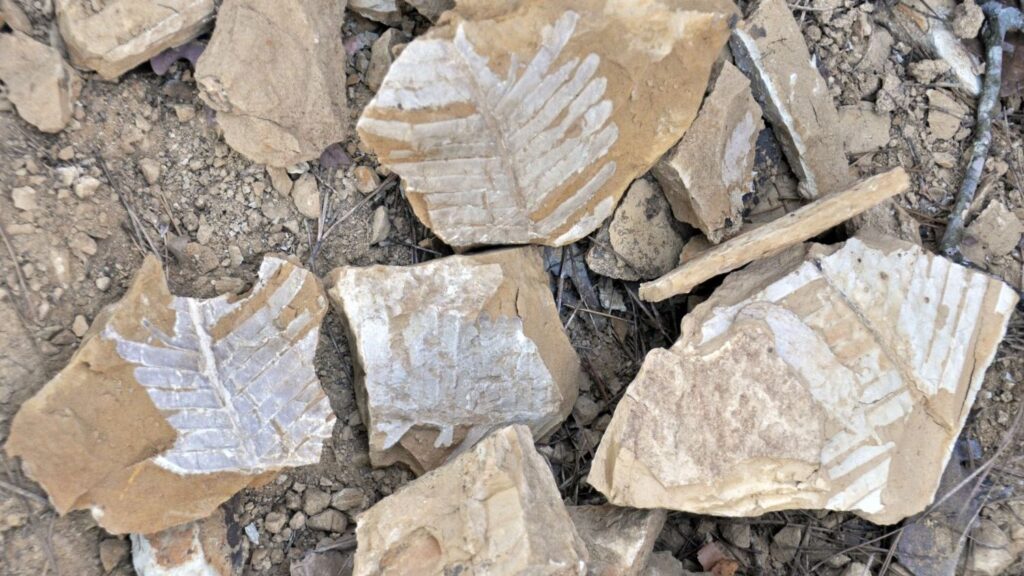
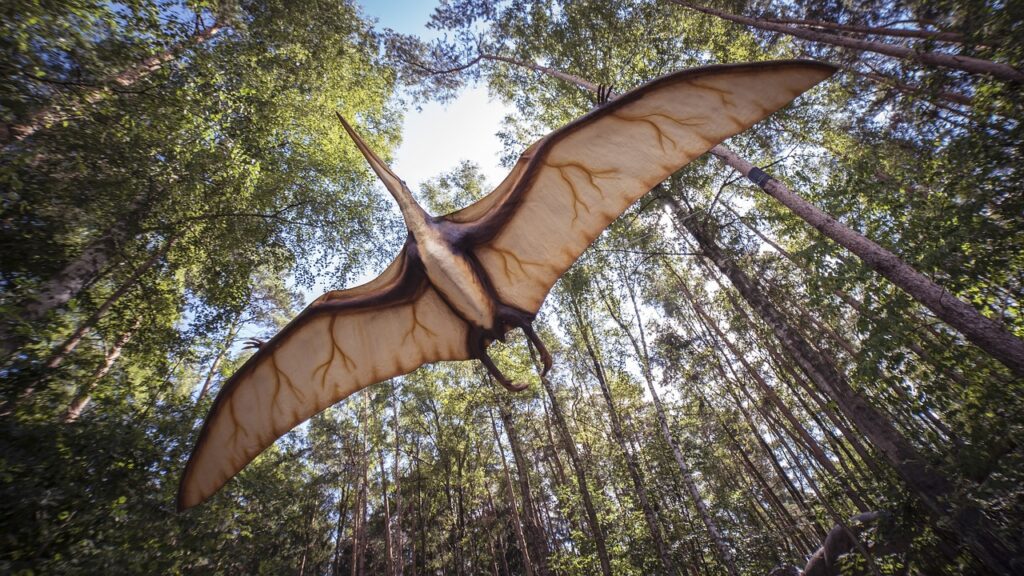
Have you ever wondered what the world looked like when dinosaurs roamed across prehistoric America? Picture forests filled with strange, unfamiliar plants. No bright wildflowers dotting meadows, no towering oak trees casting shade. The landscape would have looked completely alien to your eyes, yet these ancient plants held the secret to survival for the most ...

Evolutionary Science Says the Reason Humans Instinctively Fear Spiders and Snakes in Places Where Neither Has Ever Been Encountered Is That the Threat Was Encoded Into the Brain Before the Modern Landscape Existed

Evolutionary Science Says the Reason Humans Instinctively Fear Spiders and Snakes in Places Where Neither Has Ever Been Encountered Is That the Threat Was Encoded Into the Brain Before the Modern Landscape Existed

Picture a child in a glass-and-steel high-rise, thousands of miles from any real jungle or desert, freezing at the sight of a tiny house spider on the wall. Or someone in a northern city, where venomous snakes have never slithered in the wild, instinctively jumping back at the sight of a harmless garden hose that ...