Articles for category: NEWS

Sameen David

Vacant lots buzz with bee activity

Pocket Prairies Revive Bee Habitats in Cleveland’s Urban Vacancies

Cleveland, Ohio – Once symbols of industrial decline, the city’s thousands of vacant lots now harbor a surprising bounty of bee activity. Researchers transformed select empty parcels into pocket prairies by sowing native wildflowers, revealing these spaces as vital refuges for pollinators. The effort underscores how minimal interventions can enhance urban biodiversity in deindustrialized landscapes. ...
Sameen David

A Surprising Museum Rediscovery

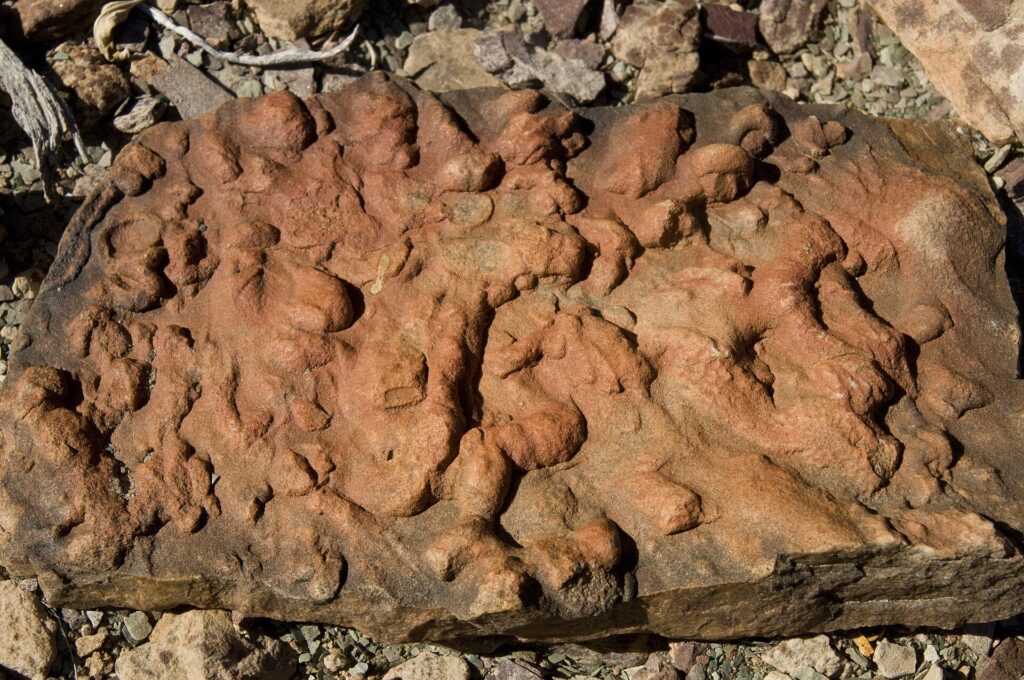
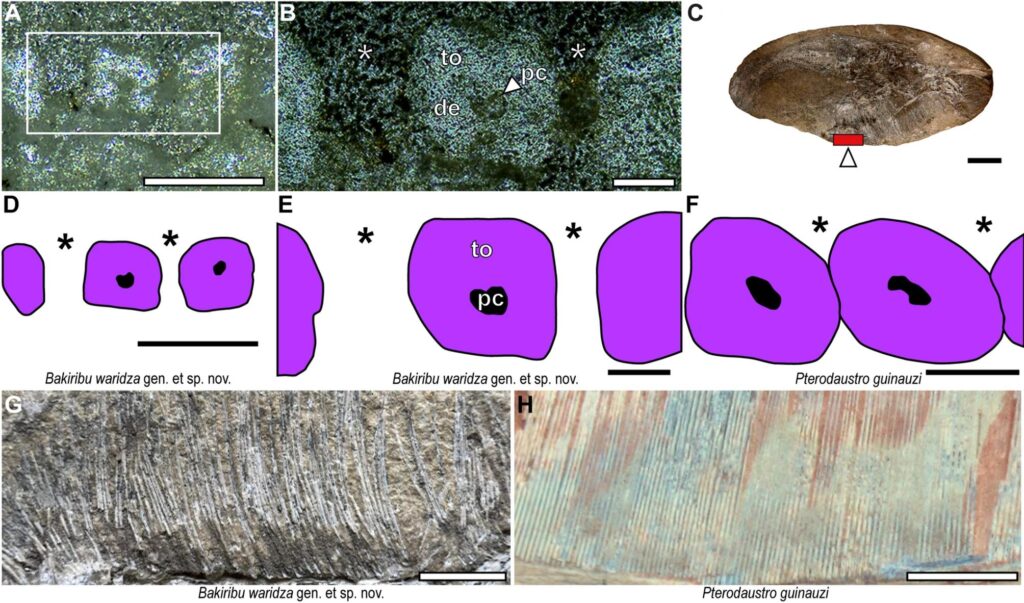
Brazil’s Fossilized Vomit Yields Groundbreaking Pterosaur Discovery

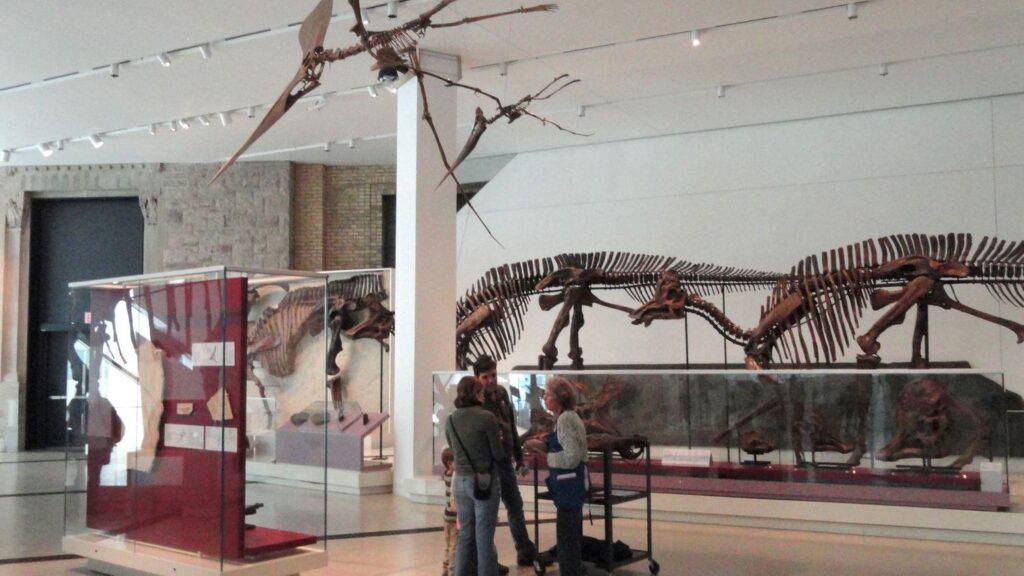
Araripe Basin, Brazil – Paleontologists uncovered a remarkable find within a long-forgotten museum specimen: the remains of a previously unknown pterosaur species preserved in 110-million-year-old fossilized vomit. The discovery, detailed in a recent Scientific Reports study, marks the first time scientists have named an extinct species from such an unusual source. This regurgitalite, or fossilized ...

Sameen David

Evolution of new physical traits in mollusks has declined and grown more predictable over time

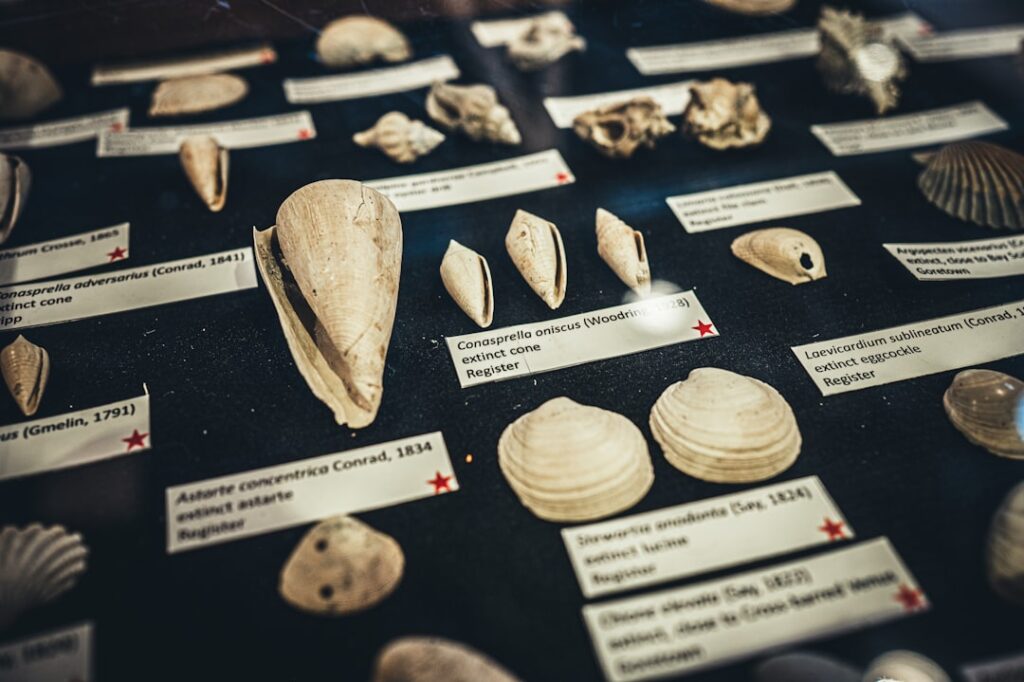
Mollusks’ Evolutionary Innovation Fades Over 540 Million Years

The fossil record of mollusks, one of Earth’s most enduring animal groups, reveals a striking pattern in the development of new physical traits. Researchers examined this extensive history spanning 540 million years and uncovered a clear trajectory: bursts of novelty in the early stages gave way to longer intervals between innovations. This shift highlights how ...

Sameen David

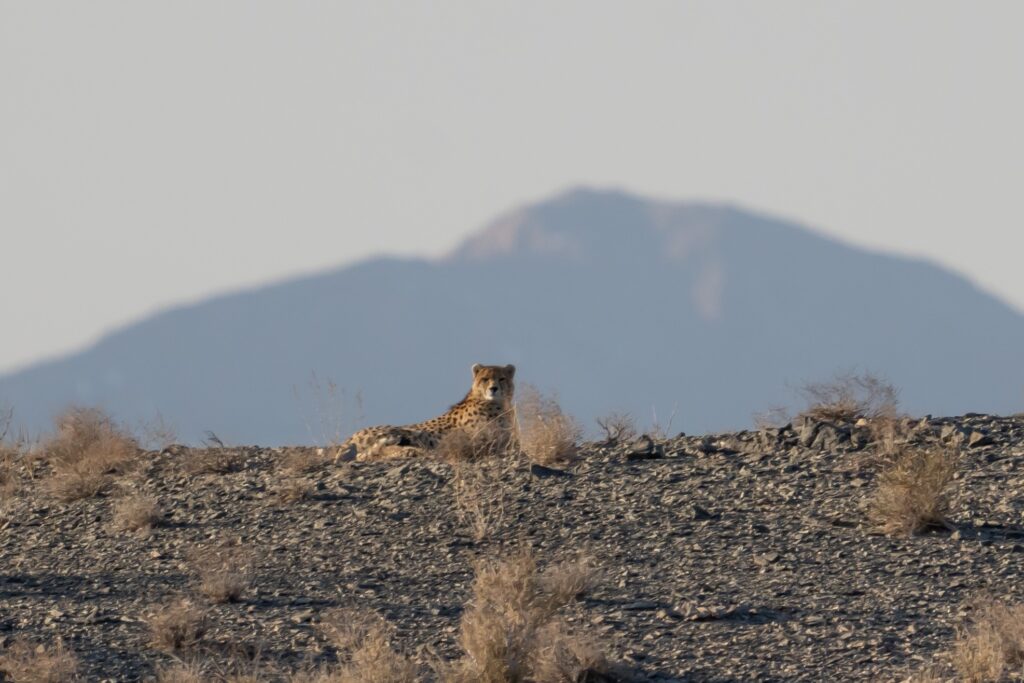
War on Iran disrupts efforts to save the Asiatic cheetah, world’s rarest big cat

27 Asiatic Cheetahs Remain: War in Iran Imperils World’s Rarest Big Cat

Iran – Rangers captured rare footage of a female Asiatic cheetah accompanied by five cubs in North Khorasan province shortly before conflict engulfed the nation in February 2026. This marked the largest litter ever documented for the subspecies, previously limited to no more than four young. Hopes rose as surveys identified 27 individuals in the ...

Sameen David

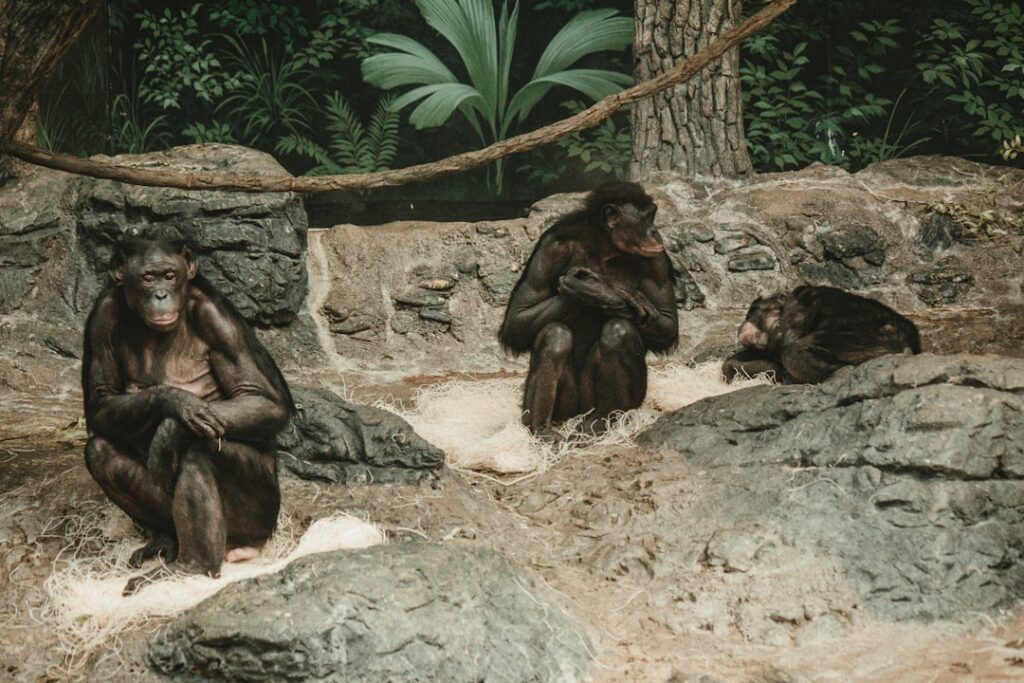
In zoos, ‘peaceful’ bonobos are just as aggressive as chimps, study suggests

Bonobos Rival Chimps in Aggression Levels, Zoo Study Reveals

Bonobos have long been celebrated as the peaceful counterparts to their more belligerent chimpanzee cousins, a narrative rooted in observations of their social structures and habitats. Researchers recently upended this perception through systematic observations in European zoos, where both primate species displayed similar rates of aggressive behavior. The findings highlight how captive environments strip away ...

Sameen David

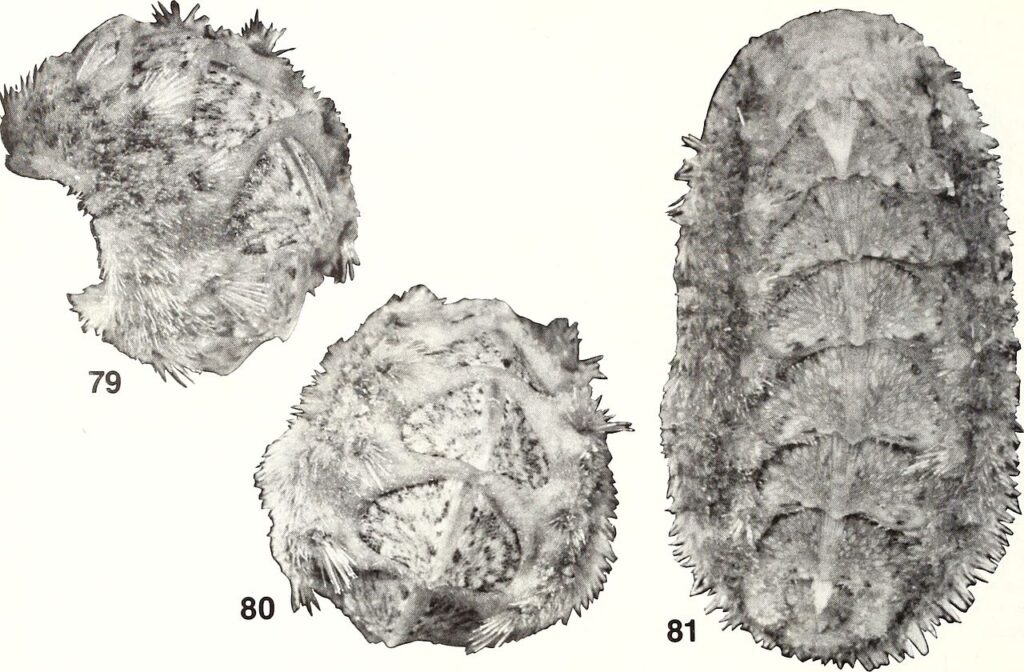
A Spiny Survivor Hiding in Plain Sight

Fierce New Chiton Emerges from South Korea’s Phosphorite Cave Pools

South Korea – Researchers uncovered a remarkable new species of chiton lurking in the phosphorite cave pools along the nation’s coasts. This ancient marine mollusk, named Acanthochitona feroxa, belongs to a lineage that has endured with little change for approximately 300 million years. The discovery highlights how modern genetic tools can reveal hidden biodiversity in ...

Sameen David

Researchers rush to understand deadly new disease

Mysterious Pathogen Sparks Alarm for North American Salamanders

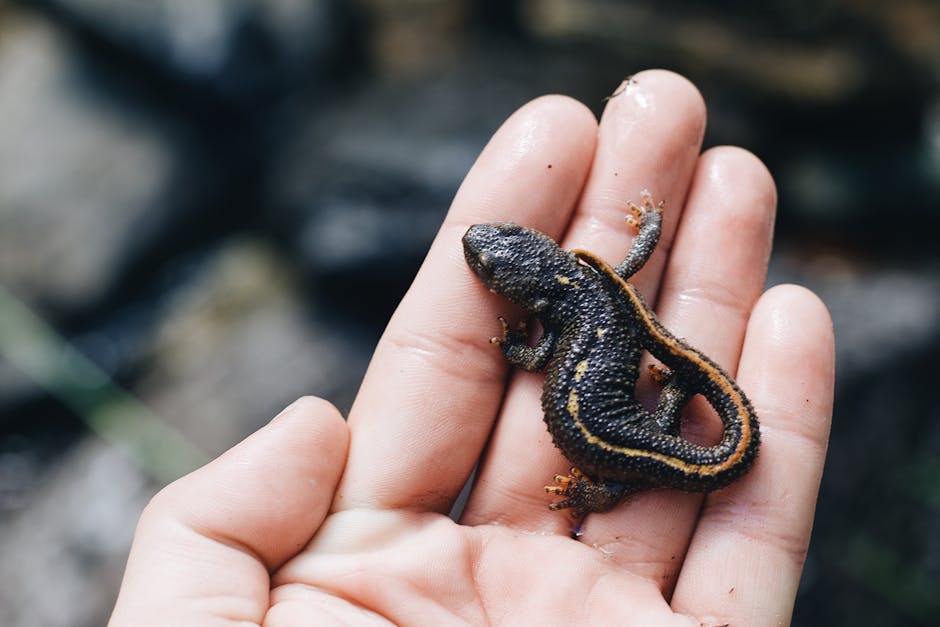
Eastern United States – A puzzling new disease has emerged in captive salamander collections, prompting wildlife researchers to accelerate their investigations amid fears for native populations. First detected in nonnative species from the pet trade, the unidentified pathogen has caused significant mortality and shown potential to affect iconic eastern amphibians through contaminated environments. Experts emphasize ...

Sameen David

A Fossil That Defied Evolutionary Timelines

Synchrotron Scans Rewrite History: 300-Million-Year-Old ‘Octopus’ Fossil Identified as Nautiloid

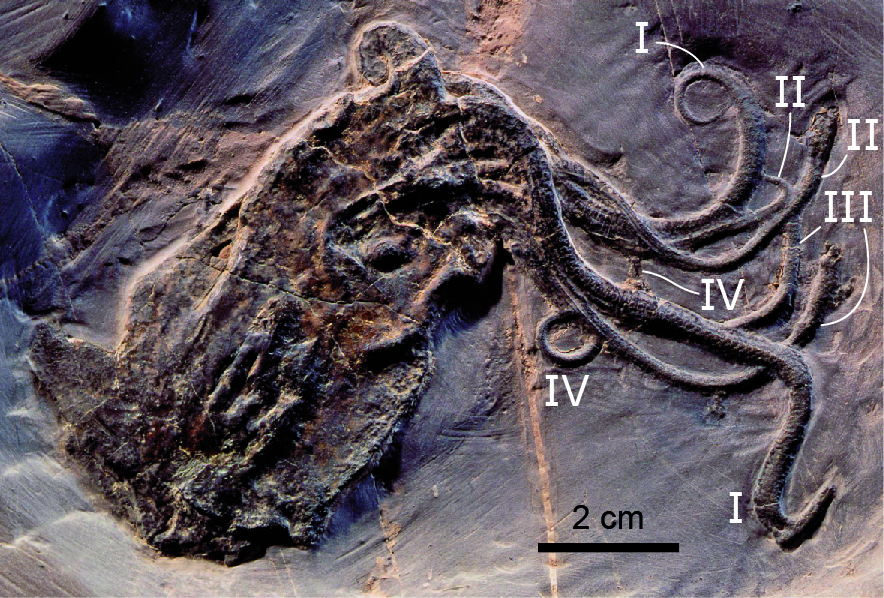
Illinois – A fossil celebrated for decades as the earliest evidence of an octopus has met a dramatic reclassification. Pohlsepia mazonensis, unearthed from the Mazon Creek Lagerstätte, dates to the late Carboniferous period around 311-306 million years ago. Advanced imaging techniques exposed internal features that betrayed its true nature as a decayed nautiloid, a shelled ...